
 EN
EN
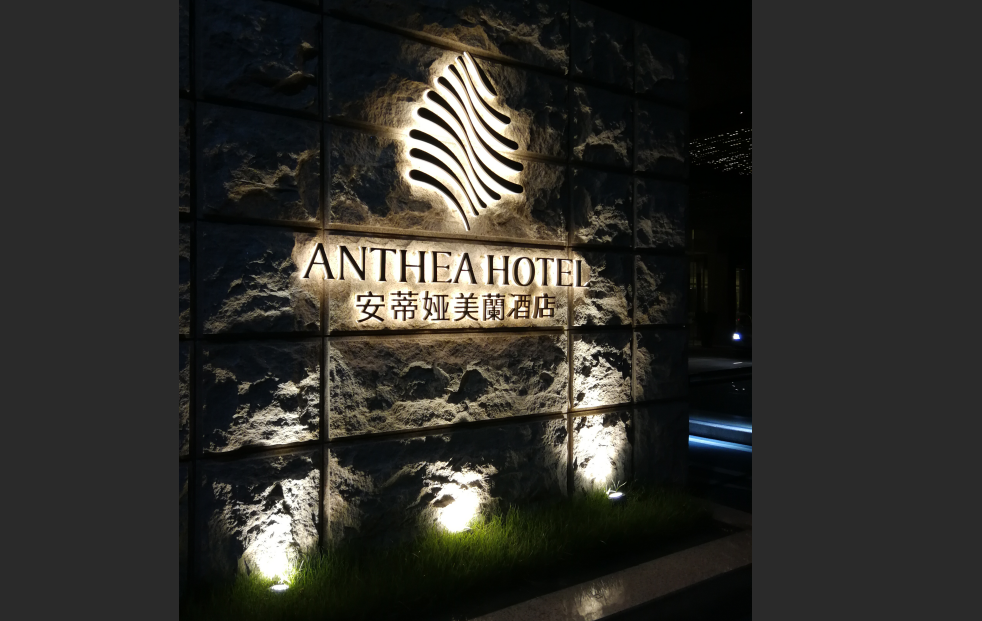
ឥទ្ធិពលដំបូងចាប់ផ្តើមនៅទ្វារ៖ ចិត្តវិទ្យា និងផលប៉ះពាល់នៃ Hotel signage
ច្បាប់ 90 វិនាទី៖ របៀបដែលសញ្ញានៅទ្រើងធ្វើឱ្យភ្ញៀវមានការយល់ឃើញ និងអារម្មណ៍ចូលមកដល់
ស្លាកសញ្ញានៅទីធ្លាជារបស់ដែលភ្ញៀវជួបជាមួយម៉ាកជាក់ស្តែងជាលើកដំបូង – វាដូចជាការទទួលស្វាគមន៍មួយដែលកំណត់សម្លេងសម្រាប់ការទស្សនាទាំងមូលរបស់ពួកគេតាំងពីដំបូង។ ស្លាកសញ្ញាដែលបង្ហាញទិសដៅល្អ ដែលដាក់នៅទីកន្លែងដែលមនុស្សពិតជាត្រូវការ អាចកាត់បន្ថយការខិតខំគិតយ៉ាងខ្លាំង ធ្វើឱ្យដំណើរការមកដល់ទាំងមូលកាន់តែងាយស្រួល។ សម្ភារៈក៏សំខាន់ដែរ។ ស្លាកសញ្ញាដែលផលិតពីសម្ភារៈដែលមានអារម្មណ៍កក់ក្តៅ ដូចជាលោហៈដែលបានរំអិល ឬឈើចាស់ បញ្ជាក់ពីគុណភាព និងការយកចិត្តទុកដាក់យ៉ាងប្រណីត។ ផ្ទុយទៅវិញ នៅពេលដែលគ្មានភាពផ្ទុយគ្នាគ្រប់គ្រាន់រវាងអក្សរ និងផ្ទៃខាងក្រោយ ឬនិមិត្តសញ្ញាមានលក្ខណៈច្របូកច្របល់ ភ្ញៀវនឹងមានអារម្មណ៍អស់សង្ឃឹមពេលព្យាយាមយល់ពីរបស់ទាំងនោះ។ របៀបដែលសញ្ញាទាំងនេះធ្វើការរួមគ្នា បង្កើតទំនាក់ទំនងផ្នែកអារម្មណ៍។ ផ្លូវច្បាស់លាស់ទៅកាន់តំបន់សំខាន់ៗ ដូចជាដង្ហែរ ឬតុទទួលភ្ញៀវ ធ្វើឱ្យអ្នកទស្សនាមានអារម្មណ៍ជឿជាក់ និងស្រួលចិត្ត។ ប៉ុន្តែប្រសិនបើស្លាកសញ្ញាមើលទៅច្របូកច្របល់ ឬមិនសមគ្នាផ្នែកទេសភាព កម្រិតភាពតានតឹងនឹងកើនឡើងយ៉ាងឆាប់រហ័ស។ ព័ត៌មានលម្អិតទាំងអស់សំខាន់ ចាប់ពីកម្រាស់អក្សរ រហូតដល់ពន្លឺដែលជួយបំភ្លឺព័ត៌មាន។ ការធ្វើឱ្យធាតុទាំងអស់នេះធ្វើការរួមគ្នា បំលែងការរកផ្លូវមូលដ្ឋានទៅជាអ្វីមួយដែលអញ្ជើញ ហើយធ្វើឱ្យភ្ញៀវមានអារម្មណ៍ស្រួលស្រាល ទោះបីមិនទាន់មាននរណាម្នាក់និយាយថាសួស្តីក៏ដោយ។
ជៀសវាងអន្លង់មីនីម៉ាលីស្ត៖ នៅពេលដែលការរចនាតិចពេក Hotel signage រំលំភាពកក់ក្តៅ និងភាពច្បាស់លាស់
នៅពេលដែលការរចនាតាមរបៀបមីនីម៉ាលីសត្រូវបានធ្វើឱ្យហួសប្រមាណក្នុងការដាក់សញ្ញានៅក្នុងសណ្ឋាគារ វាពិតជាប៉ះពាល់ដល់បទពិសោធន៍របស់ភ្ញៀវជាជាងធ្វើឱ្យប្រសើរឡើង។ សញ្ញារូបមួយចំនួនដូចជាលំនាំបួន ឬនិមិត្តសញ្ញាមានន័យថាធ្វើឱ្យមនុស្សភាគច្រើនភាន់ច្រឡំ ជាពិសេសភ្ញៀវដែលមកពីប្រទេសផ្សេងៗដែលប្រហែលជាមិនស្គាល់និមិត្តសញ្ញាទាំងនោះ ឬភ្ញៀវដែលមានបញ្ហាមើលមិនច្បាស់ ហើយពិបាកអានអក្សរតូចៗ។ ការខ្វះភាពផ្ទុយគ្នារវាងអក្សរ និងផ្ទៃខាងក្រោយធ្វើឱ្យការអានកាន់តែពិបាក ជាពិសេសនៅពេលដែលពន្លឺតិច ហើយពេលខ្លះបណ្តាលឱ្យមានបញ្ហាពិតប្រាកដនៅពេលយប់។ អក្សរបន្ទះស្តើងក៏ក្លាយជាបញ្ហាផងដែរ ជាពិសេសនៅពេលដែលមានភ្ញៀវច្រើនកំពុងតែចុះឈ្មោះចូល ហើយត្រូវការព័ត៌មានយ៉ាងរហ័ស។ សញ្ញានៅក្នុងសណ្ឋាគារដែលល្អគួរតែស្វែងរកចំណុចល្អបំផុតរវាងរចនាប័ទ្ម និងប្រយោជន៍។ ពួកវាធ្វើឱ្យរបស់របរមើលទៅស្អាត ប៉ុន្តែក៏បញ្ចូលធាតុផ្សំដូចជាអក្សរដែលលើកខ្ពស់ លម្អិតដែលធ្វើពីលោហៈ ឬពន្លឺផ្ទៃខាងក្រោយដែលមិនច្រើនពេក ប៉ុន្តែបន្ថែមភាពកក់ក្តៅដោយមិនធ្វើឱ្យមានភាពរញ៉េរញ៉ៃ។ ចុងក្រោយ សញ្ញានៅក្នុងសណ្ឋាគារដែលជោគជ័យមិនមែនគ្រាន់តែមើលទៅស្អាតប៉ុណ្ណោះទេ វាត្រូវតែដំណើរការបានល្អផងដែរ ដើម្បីណែនាំភ្ញៀវឱ្យធ្វើដំណើរតាមរយៈទីតាំងផ្សេងៗដោយរលូន ខណៈពេលដែលរក្សាបរិយាកាសដ៏ស្រស់ស្អាត និងស្វាគមន៍ដែលសណ្ឋាគារខិតខំប្រឹងប្រែងសម្រាប់។
សញ្ញាសំគាល់សណ្ឋាគារជាអ្នកទូតម៉ាក៖ ភាពស៊ីសង្វាក់គ្នាក្នុងការប្រើប្រាស់អក្សរ ពណ៌ និងសម្ភារៈ
អក្សរដែលទាក់ទាញ៖ ជ្រើសរើសអក្សរដែលមើលងាយ និងអាចអានបានយ៉ាងច្បាស់ Hotel signage
ពុម្ពអក្សរដែលប្រើនៅគ្រប់ទីកន្លែងក្នុងអចលនទ្រព្យមួយ បញ្ជាក់ពីតម្លៃរបស់វាដោយគ្មានការនិយាយ។ ហាងផ្តោតសំខាន់លើពុម្ពអក្សរមូលៗដែលធ្វើឱ្យមានអារម្មណ៍ស្វាគមន៍ ខណៈដែលគម្រោងផ្ទះសំណាក់ថ្នាក់ខ្ពស់ជាទូទៅប្រើពុម្ពអក្សរ Serif បែបប្រពៃណី ពីព្រោះវាបញ្ជាក់ពីភាពអាណាព្យាបាល និងភាពអស់កល្បជានិច្ច។ ភាពអាចអានបានក៏មិនអាចមើលរំលងដែរ។ ភ្ញៀវដែលកំពុងទាញកញ្ចប់សម្ភារៈត្រូវការមើលសញ្ញាឱ្យច្បាស់ពីចម្ងាយប្រហែលដប់ហ្វីត។ គួរជៀសវាងពុម្ពអក្សរបែបស្ក្រីបដែលមានលក្ខណៈស្មុគស្មាញ ពីព្រោះវាធ្វើឱ្យការអានកាន់តែពិបាក។ នៅពេលភ្ញៀវមិនអាចរកផ្លូវបាន វាធ្វើឱ្យការវាយតម្លៃភាពសប្បាយរីករាយធ្លាក់ចុះប្រហែល 27%។ នេះហើយជាហេតុផលដែលការរចនាល្អមានសារៈសំខាន់ខ្លាំងសម្រាប់ការរកផ្លូវ។ អក្សរច្បាស់លាស់ ចន្លោះទំនេរគ្រប់គ្រាន់រវាងតួអក្សរ និងពណ៌ដូចជាពណ៌ប្រផេះធូរ ឬពណ៌ប្រាក់ក្តៅ ដែលប្រើបានល្អជាងការប្រើពណ៌ខ្មៅ និងសធម្មតា ជាពិសេសនៅពេលពន្លឺមិនល្អ។ សំណុំលម្អតូចៗទាំងនេះធ្វើឱ្យមានភាពខុសគ្នាយ៉ាងច្រើនដល់បទពិសោធន៍របស់ភ្ញៀវ។
ការប្រាប់រឿងតាមរយៈសម្ភារៈ៖ តើរបៀបបញ្ចប់ដូចជាឈើក្តៅ និងគ្រឿងតូចៗធ្វើពីលោហៈទន់ ពង្រឹងតម្លៃសណ្ឋាគារយ៉ាងដូចម្តេច
សម្ភារៈដែលប្រើក្នុងអវកាសមួយ ពិតជាប្រាប់រឿងរ៉ាវរបស់ម៉ាក់មួយ មុនពេលដែលបុគ្គលិកណាម្នាក់និយាយថា សួស្តី។ គិតអំពីវិធីមួយនេះ៖ នៅពេលដែលនរណាម្នាក់ដើរចូលក្នុងអាគារមួយ ហើយឃើញឈើដែលបានកែច្នៃឡើងវិញនៅលើស្លាកបង្ហាញក្នុងតំបន់ទ្រវាល ពួកគេភ្លាមៗចាប់យកនូវអារម្មណ៍ស្អាតបរិសុទ្ធដែលមាននៅទីនោះ។ នៅក្នុងពេលជាមួយគ្នានោះ ផ្ទាំងលាបដែលមានពណ៌លឿងប្រាក់រលោងនៅលើដែកអ៊ីចុចជណ្ដើរយន្ត គ្រាន់តែបញ្ចេញសំឡេងនៃលុយចាស់ និងប្រពៃណី។ ផ្ទៃដែលមានអត្រាយន្តក៏សំខាន់ដែរ។ មនុស្សបង្កើតទំនាក់ទំនងដោយមិនដឹងខ្លួន នៅពេលពួកគេអាចដាក់ដៃរបស់ពួកគេលើសម្ភារៈផ្សេងៗ។ ការស្រាវជ្រាវបង្ហាញថា អវកាសដែលបញ្ចូលធាតុធម្មជាតិ ដែលឆ្លុះបញ្ចាំងពីវប្បធម៌ក្នុងតំបន់ ត្រូវបានចាត់ទុកថាមានភាពពិតប្រាកដច្រើនជាង 15-20% ដោយអ្នកទស្សនា។ ការស្វែងរកតុល្យភាពត្រឹមត្រូវរវាងរូបរាង និងភាពធន់គឺជាកត្តាសំខាន់។ ថ្មស្លាតដែលឆ្លាក់ដោយកាំរស្មីឡាស៊ែរ ដំណើរការបានយ៉ាងល្អនៅកន្លែងដែលមានចរាចរណ៍ច្រើន ដូចជាច្រកចូល ខណៈដែលផ្ទាំងអាគ្រីលីកដែលភ្លឺរលោង ស័ក្តិសមនឹងបរិយាកាសទំនើប ដែលផលប៉ះពាល់ពីពន្លឺគឺជាផ្នែកមួយនៃការរចនា។ ហើយកុំភ្លេចអំពីការធ្វើឱ្យសម្ភារៈបញ្ចប់ស្របតាមតម្រូវការនៃអវកាស។ សំឡេងឈើក្តៅៗបង្កើតបានជាអាកាសធាតុស្រួល ដែលល្អសម្រាប់បរិយាកាសស្បា ខណៈដែលផ្ទៃលោហៈរលោងនៅតំបន់បារ បញ្ជូនសារអំពីភាពប្រណីត និងភាពប្រណាស់។
ការរុករកដោយស្វ័យប្រវត្តិតាមរយៈការរៀបចំយ៉ាងមានយុទ្ធសាស្ត្រ Hotel signage ការរចនាការណែនាំទិសផ្លូវ
គ្រប់គ្រងតាមគោលការណ៍ 3 វិញ្ញាសា៖ ការបញ្ចូល ការផ្លាស់ប្តូរ និងការដាក់បញ្ជាក់ទីតាំងសម្រាប់ភាពងាយស្រួលដល់ចរាចរណ៍របស់ភ្ញៀវ
សញ្ញាល្អៗរបស់សណ្ឋគារដំណើរការបានល្អបំផុត នៅពេលដែលវាត្រូវបានបំបែកចេញជាផ្នែកៗផ្សេងៗគ្នា ដែលត្រូវនឹងរបៀបដែលមនុស្សធ្វើចលនាក្នុងការធ្វើដំណើរ។ នៅពេលភ្ញៀវទើបតែមកដល់ហាឡិប ឬ បើករថយន្តមកដល់ច្រកចូល សញ្ញាដែលច្បាស់លាស់ ដែលមានព្រួញភ្លឺ ឬ ការណែនាំធំៗ អាចជួយឲ្យពួកគេដឹងភ្លាមថា ត្រូវទៅណា។ ការសិក្សាបានបង្ហាញថា វាអាចកាត់បន្ថយពេលវេលាភាន់ច្រឡំ នៅពេលដែលនរណាម្នាក់ឈរនៅទីកន្លែងមួយ ហើយភ្លេចថាត្រូវធ្វើអ្វីបន្ទាប់ បានប្រហែលកន្លះ។ ខណៈដែលមនុស្សដើរតាមដំណើរ និងនៅជិតជណ្ដើរយន្ត សញ្ញាទាំងនោះគួរតែបន្តណែនាំពួកគេឲ្យបានរលូន។ ការប្រើប្រាស់ពណ៌ឱ្យបានស៊ីជម្រៅ និង ស៊ីសង្វាក់គ្នាតាមកន្លែងទាំងអស់ ធ្វើឲ្យវាងាយស្រួលក្នុងការតាមដាន ហើយមនុស្សគ្រប់រូបក៏ស្គាល់នូវនិមិត្តសញ្ញាមូលដ្ឋានទាំងនោះដែរ។ សណ្ឋគារខ្លះថែមទាំងប្រើសញ្ញាដែលត្រូវបានតំឡើងពីពិដាន ដើម្បីឲ្យមនុស្សគ្រប់គ្នាច្បាស់អំពីទិសដៅ មិនថាពួកគេកំពុងឈរមើលទៅទិសណាមួយក៏ដោយ។ នៅចំណុចបញ្ចប់ ដូចជាកន្លែងបន្ទប់ ឬ សេវាកម្មផ្សេងៗ សញ្ញាទាំងនោះត្រូវតែច្បាស់លាស់ឥតខ្ចោះ។ លេខបន្ទប់ដែលអាចប៉ះបាន និង សញ្ញាដែលភ្លឺស្រាប់សម្រាប់សំគាល់ទីតាំងសំខាន់ៗ គឺជាកត្តាសំខាន់ណាស់។ ទាំងអស់នេះ នៅពេលបញ្ចូលគ្នា អាចកាត់បន្ថយភាពភាន់ច្រឡំរបស់ភ្ញៀវបានប្រហែលពីរភាគបី យោងតាមការសិក្សាផ្សេងៗ។ គោលបំណងសរុបគឺ បង្កើតបរិយាកាសមួយ ដែលភ្ញៀវអាចស្វែងរកផ្លូវរបស់ពួកគេដោយធម្មជាតិ ពីកន្លែងធ្វើការចុះឈ្មោះ ទៅកាន់បន្ទប់របស់ពួកគេ ដោយគ្មានការអាក់អន់ ឬ ភាន់ច្រឡំ។
ការបញ្ចូលតម្លៃវប្បធម៌ក្នុងស្រុក៖ ការរួមបញ្ចូលវប្បធម៌ដ៏ពិតប្រាកដនៅក្នុង Hotel signage
លើសពីការតុបតែង៖ ការប្រើប្រាស់អត្ថបទភាសាពីរ គំរូតំបន់ និងបច្ចេកទេសសិប្បកម្ម ដើម្បីជម្រុះទំនាក់ទំនង
នៅពេលដែលអាជីវកម្មបញ្ចូលវប្បធម៌ទៅក្នុងការរចនាសញ្ញាប័ណ្ណរបស់ពួកគេយ៉ាងពិតប្រាកដ វាបានផ្លាស់ប្តូរគ្រប់យ៉ាងពីគ្រាន់តែមានមុខងារទៅជាការប្រាប់រឿងរ៉ាវពិតប្រាកដអំពីកន្លែងនោះ។ សណ្ឋាគារជាច្រើនឥឡូវនេះបានបន្ថែមជម្រើសភាសាពីរនៅលើសញ្ញាប័ណ្ណ ធ្វើឱ្យភ្ញៀវដែលមកពីប្រទេសផ្សេងៗមានអារម្មណ៍ស្វាគមន៍ ខណៈពេលដែលនៅតែគោរពភាសាដែលប្រជាជនក្នុងតំបន់និយាយរាល់ថ្ងៃ។ ប្រហែលបីភាគបួននៃអ្នកធ្វើដំណើរនិយាយថា ពួកគេមានអារម្មណ៍ថាត្រូវបានវាយតម្លៃច្រើនជាងមុន នៅពេលឃើញភាសារបស់ពួកគេត្រូវបានបង្ហាញនៅកន្លែងណាមួយ។ ការរចនាទាំងនេះច្រើនតែបញ្ចូលធាតុតាមតំបន់ផងដែរ ដូចជារចនាបថប្រពៃណីដែលបានបញ្ជូនតាមរូបរាងជំនាន់ ឬរាងដែលបានបញ្ចូលគំនិតពីភ្នំ និងទន្លេនៅក្បែរនោះ ដែលជួយឱ្យមនុស្សស្គាល់ថាពួកគេកំពុងនៅកន្លែងណា។ កន្លែងខ្លះទៅដល់កម្រិតកាន់តែខ្ពស់ជាមួយបច្ចេកទេសសិប្បកម្មពិសេស ដូចជាការឆ្លាក់ឈើនៅកន្លែងស្នាក់នៅសម្រាប់ការជិះស្គី ឬការដាក់ក្បឿងពណ៌ចម្រុះនៅតាមអចលនទ្រព្យតាមឆ្នេរសមុទ្រ ដែលបង្ហាញដល់អតិថិជនថា បានយកចិត្តទុកដាក់លើជំនាញ និងប្រពៃណីក្នុងតំបន់។ ការបន្ថែមដោយចិត្តគំនិតទាំងនេះធ្វើអ្វីបានច្រើនជាងគ្រាន់តែមើលទៅស្អាតប៉ុណ្ណោះ ពិតជាធ្វើឱ្យមានការតភ្ជាប់កាន់តែរឹងមាំជាមួយភ្ញៀវ ដោយការស្រាវជ្រាវបង្ហាញថា ការចូលរួមមានកំណើនប្រហែល 40% ធៀបនឹងសញ្ញាទូទៅដែលគេអាចឃើញបានគ្រប់ទីកន្លែង។
សំណួរញឹកញាប់
ហេតុអ្វីបានជាសញ្ញាណសណ្ឋាគារមានសារៈសំខាន់?
សញ្ញាណសណ្ឋាគារមានសារៈសំខាន់ ព្រោះវាកំណត់ទឹកដៃសម្រាប់ការមកដល់របស់ភ្ញៀវ ជួយក្នុងការរកផ្លូវ ពង្រឹកការយល់ឃើញអំពីម៉ាក និងបញ្ចូលធាតុវប្បធម៌ ដើម្បីបង្កើតបរិយាកាសដ៏កក់ក្តៅ។
តើការលំបាកអ្វីដែលកើតចេញពីសញ្ញាណសណ្ឋាគារបែបមីនីម៉ាលីស្តមាន?
សញ្ញាណសណ្ឋាគារបែបមីនីម៉ាលីស្ត អាចបណ្តាលឱ្យមានការភាន់ច្រឡំ ដោយសារតែខ្វះនូវសញ្ញាច្បាស់លាស់ ការផ្ទុយគ្នាមិនគ្រប់គ្រាន់ និងអក្សរតូចៗ ដែលអាចរារាំងការអាន និងប៉ះពាល់អវិជ្ជមានដល់បទពិសោធន៍របស់ភ្ញៀវ។
តើអក្សរសាស្ត្រ (Typography) ប៉ះពាល់ដល់សញ្ញាណសណ្ឋាគារយ៉ាងដូចម្តេច?
អក្សរសាស្ត្រក្នុងសញ្ញាណសណ្ឋាគារ ប៉ះពាល់ដល់ការអានបានងាយ និងបុគ្គលិកលក្ខណៈម៉ាក។ អក្សរដែលមានភាពរួសរាយ និងច្បាស់លាស់ ធានាការអានបានងាយ និងស៊ីជម្រៅជាមួយនឹងគោលគំនិតរបស់សណ្ឋាគារ ដែលជួយពង្រឹកការពេញចិត្តរបស់ភ្ញៀវ។
តើសម្ភារៈមានតួនាទីអ្វីក្នុងសញ្ញាណសណ្ឋាគារ?
សម្ភារៈក្នុងសញ្ញាណសណ្ឋាគារ ប្រាប់រឿងរ៉ាវរបស់ម៉ាក បញ្ជាក់តម្លៃដូចជាការថែរក្សាសុខភាពបរិស្ថាន ឬប្រពៃណី ហើយអាចពង្រឹកការតភ្ជាប់របស់ភ្ញៀវតាមរយៈបទពិសោធន៍ដែលអាចចាប់បាន។
ទំព័រ ដើម
- ឥទ្ធិពលដំបូងចាប់ផ្តើមនៅទ្វារ៖ ចិត្តវិទ្យា និងផលប៉ះពាល់នៃ Hotel signage
- សញ្ញាសំគាល់សណ្ឋាគារជាអ្នកទូតម៉ាក៖ ភាពស៊ីសង្វាក់គ្នាក្នុងការប្រើប្រាស់អក្សរ ពណ៌ និងសម្ភារៈ
- ការរុករកដោយស្វ័យប្រវត្តិតាមរយៈការរៀបចំយ៉ាងមានយុទ្ធសាស្ត្រ Hotel signage ការរចនាការណែនាំទិសផ្លូវ
- ការបញ្ចូលតម្លៃវប្បធម៌ក្នុងស្រុក៖ ការរួមបញ្ចូលវប្បធម៌ដ៏ពិតប្រាកដនៅក្នុង Hotel signage
- សំណួរញឹកញាប់