
 EN
EN
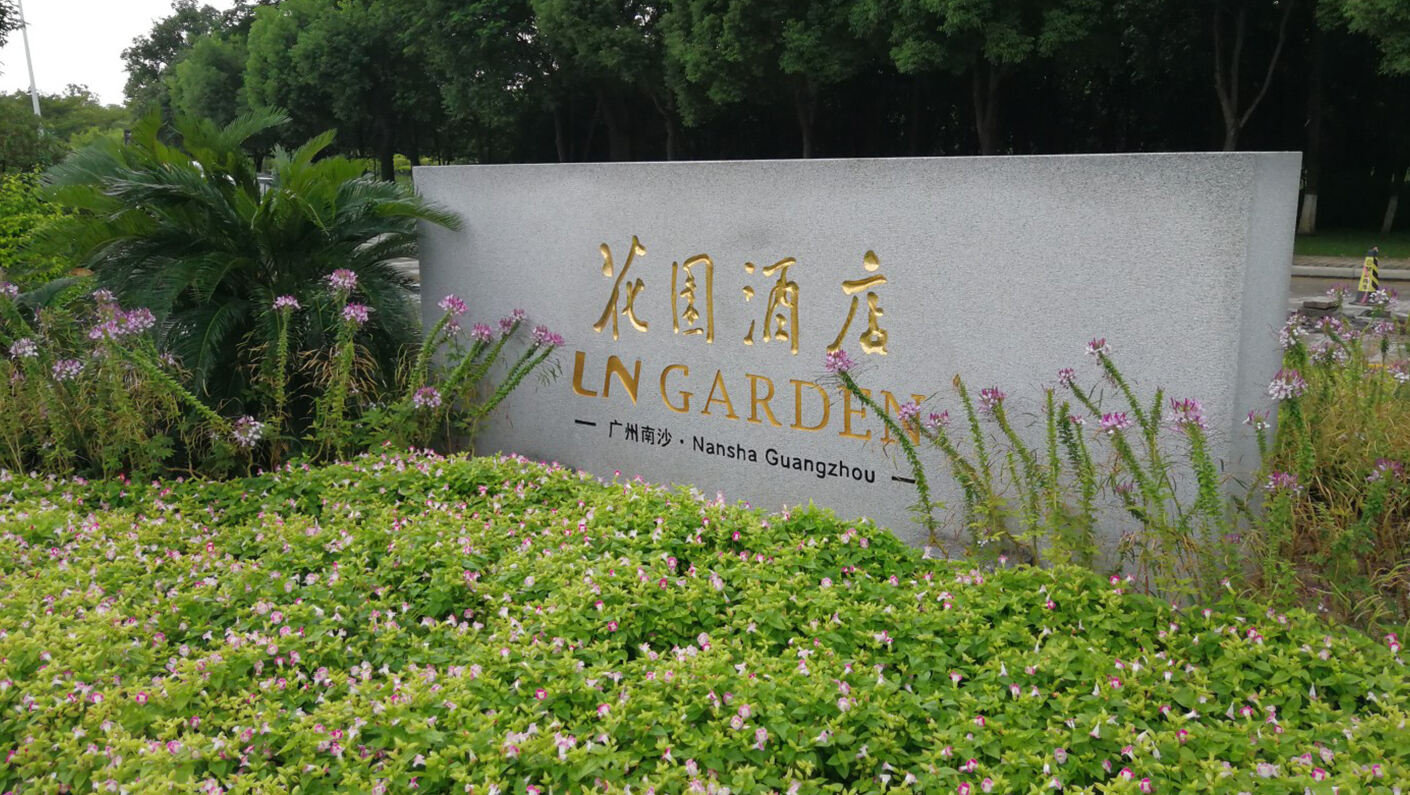
Define Your Signage Goals and Brand Alignment
Understanding the Purpose and Impact of Signage
Effective signage acts as a 24/7 brand ambassador, guiding customer decisions while reinforcing your market presence. Strategic installations increase foot traffic by 37% (Retail Traffic Insights 2023) and improve brand recall through consistent visual cues. Unlike passive advertising, signage directly interacts with your audience at critical decision points.
Aligning Signage Goals With Brand Strategy
All the design stuff matters - what colors we pick, which fonts look right, even the pictures we put up there needs to match the brand's main vibe. Take a fancy hotel group for instance, they often go for gold touches and those classic serif fonts because it screams sophistication. On the flip side, quick service restaurants tend to splash around with bright colors and sharp shapes since that makes people think about getting their food fast. When everything lines up visually, customers actually start recognizing the brand without even realizing it. Bad design just creates confusion instead of building that instant connection.
Setting Measurable Outcomes for Visibility and Engagement
Transform abstract goals into trackable metrics like dwell time increases or location-specific sales lifts. Businesses using SMART (Specific, Measurable, Achievable, Relevant, Time-bound) objectives achieve 89% higher ROI from signage investments compared to those without defined targets. For long-term success, pair these metrics with quarterly performance audits to identify optimization opportunities.
Evaluate Design Customization and Creative Expertise
Assessing customization and design flexibility in provider portfolios
When looking at signage companies for work that needs flexible design solutions, start by checking out their portfolio samples. The best sign makers usually have options that can grow with your needs, including things like ready-made templates that can be adjusted, building block style components, and different materials choices which make it easier when brands want to refresh their look or update for holidays. According to research from last year's industry report, around two thirds of really effective signage creations actually mix machine accuracy with old fashioned human touch ups. This combination helps keep the final product both technically sound and artistically interesting rather than just another generic sign on the street corner.
Best practices for visual elements in custom sign solutions
- Prioritize high-contrast color schemes (e.g., dark text on light backgrounds) for 37% faster readability (Vision Council, 2022)
- Use sans-serif fonts above 3œ height for pedestrian viewers beyond 50 feet
- Allocate 40% of sign space to negative space to avoid visual clutter
Collaborating with professional sign manufacturers on unique designs
Get makers involved from day one when designing something new so they can bring their knowledge about materials to the table. Take a signage company for instance. They often suggest using aluminum composite panels instead of acrylic when making 3D letters because these panels last much longer outside. Some last around 15 years without fading or warping, which makes them worth the extra cost for many projects. Create regular check-ins during the prototyping stage too. This helps catch any issues before production starts and ensures whatever gets made actually works within the space it needs to fit and looks good under different lighting situations.
Case Study: Transforming a retail brand through tailored exterior signage
A boutique clothing chain increased foot traffic by 28% after collaborating with a signage maker to implement:
- Illuminated canopy signs with adjustable RGB LEDs for seasonal theming
- Frosted window graphics maintaining 80% exterior visibility while reducing glare
- Wayfinding pylons using weather-resistant dibond panels, slashing maintenance costs by 46% over three years
Prioritize Readability, Aesthetics, and Material Durability
Strategic Color and Font Selection for Maximum Impact
High-contrast color combinations improve legibility by 42% in varying light conditions, while fonts like Helvetica or Open Sans enhance readability at distance. Align choices with brand guidelines-consistent branding increases customer recall by 34% (Signage Visibility Study, 2022).
Graphics and Layout Optimization for Visual Hierarchy
Prioritize focal points using size contrast and spacing. Center-aligned logos with supporting text in smaller fonts improve comprehension rates by 28% (Visual Communication Institute, 2021). Avoid overcrowding: signs with 30% negative space see 19% longer viewer engagement.
Evaluating Material Selection for Quality and Durability
Opt for UV-resistant acrylics outdoors and laminated plastics indoors, balancing cost and lifespan. Aluminum composite materials last 12-15 years in harsh climates while maintaining color fidelity, according to construction industry research.
Outdoor vs Indoor Sign Material Choices and Environmental Resilience
| Factor | Outdoor Materials | Indoor Materials |
|---|---|---|
| Key Consideration | Weatherproofing (IP67+) | Fire-retardant coatings |
| Cost Efficiency | $8-$12/sq. ft/year | $3-$5/sq. ft/year |
| Maintenance Cycle | Biannual inspections | 5-year refurbishment |
Corrosion-resistant aluminum outperforms PVC in coastal areas, with 78% fewer replacements over a decade. For indoor retail, lightweight acrylics reduce installation costs by 40% compared to glass.
Ensure Compliance, Safety, and Regulatory Knowledge
Choosing a reliable signage maker demands rigorous attention to compliance frameworks that govern design, installation, and maintenance.
Navigating local signage laws and permitting requirements
Zoning regulations around town usually set the rules for how big signs can be, what kind of lights they need, and where exactly they go these things really matter when it comes to seeing the sign clearly and staying on the right side of the law. Most cities want proof before putting up anything permanent, and according to recent numbers from Brownequipment back in 2023, about two thirds of city areas have pretty tight limits on how large those roadside signs can actually get. Smart businesses check all these local rules while designing their signs first thing so they don't end up spending extra money fixing problems later on. Some companies even use special mapping programs that show exactly where permits are needed, helping them stay within legal lines without guessing.
Adhering to safety and accessibility standards (ADA, OSHA, etc.)
ADA-compliant signage requires non-glare surfaces, braille integration, and 70% color contrast for readability-standards that prevent 420,000 annual accessibility complaints (DOJ, 2023). Industrial environments mandate OSHA-grade materials resistant to flammability or chemical corrosion, while retail spaces prioritize slip-resistant substrates for pedestrian safety.
Ensuring compliance and regulatory considerations are proactively addressed
Leading manufacturers adopt centralized compliance frameworks to harmonize federal, state, and industry-specific standards-from UL certification for electrical components to FTC truth-in-advertising guidelines. Quarterly audits of material safety data sheets (MSDS) and ISO 9001-driven quality controls ensure full regulatory alignment.
Key Compliance Checkpoints
| Focus Area | Standards | Documentation Required |
|---|---|---|
| Accessibility | ADA Title III, EN 301549 | Braille height certifications |
| Structural Safety | IBC Chapter 16, ASTM E1300-16 | Wind load calculations |
| Electrical Systems | NEC Article 600, UL 48 | LED driver compliance reports |
| Environmental | EPA Lead-Free, RoHS Directive | Material composition disclosures |
Assess Manufacturing Transparency and Quality Assurance
Key Stages in Sign Manufacturing from Concept to Installation
Good signage companies walk their clients through about five main steps when creating signs. First comes talking about what the client wants in design, then making prototypes, getting materials ready, actual production work, and finally installing everything properly. The Visual Merchandising Institute found something interesting back in 2022 actually - around 92% of all those frustrating delays during installation happen because folks didn't plan well enough during the prototype stage. That's why it really pays off to work with manufacturers who offer ongoing project updates and keep track of progress milestones. This helps prevent unexpected costs popping up later on or running into situations where certain materials just aren't available when needed.
Manufacturing Process and Technology: CNC, LED Integration, Digital Printing
Modern manufacturers use CNC routing for precision-cut substrates (±0.5mm tolerance) and UV-resistant digital prints for outdoor durability. LED integration has reduced energy costs by 40% compared to traditional neon lighting (Lighting Research Center, 2023). Ask providers to demonstrate their technology™s compatibility with your design specifications during site visits.
Quality Control and Continuous Improvement Protocols in Production
Leading suppliers implement ISO 9001-certified quality management systems that include 3-stage inspections: raw material verification (ASTM standards), in-process alignment checks, and post-production load testing. The Signage Industry Alliance (2023) found that 78% of businesses reported 63% fewer reworks when partnering with ISO-certified manufacturers.
Strategy: Requesting Samples and Site Visits to Assess Craftsmanship
Before committing, request physical samples of similar projects and visit production facilities. Evaluate:
- Edge finishing quality (no chipping or uneven coatings)
- Color consistency under different lighting conditions
- Structural integrity tests (wind load ratings, seismic compliance)
Manufacturers offering collaborative quality audits typically achieve 22% higher client retention (Retail Signage Trends Report, 2023).
Data Point: 78% of Businesses Report Fewer Reworks When Partnering With ISO-Certified Signage Makers
Source: Signage Industry Alliance, 2023 (Sample size: 420 U.S. retail chains)
FAQs
What are the benefits of effective signage?
Effective signage serves as a 24/7 brand ambassador, significantly increasing foot traffic and enhancing brand recall through strategic visual cues.
How do signage goals align with brand strategy?
Signage goals should reflect your brand's main vibe, ensuring all design elements—from color and fonts to imagery—help reinforce brand identity, leading to better customer recognition and connection.
What materials are recommended for outdoor versus indoor signage?
Outdoor signage should prioritize weatherproof materials like corrosion-resistant aluminum, while indoor signage can utilize lightweight acrylics for cost efficiency and easy installation.
How important is compliance in signage manufacturing?
Compliance is crucial for meeting regulatory requirements such as ADA accessibility standards, safety regulations, and local signage laws, ensuring legal adherence and avoiding costly modifications.
What steps are involved in the signage manufacturing process?
The process includes design consultation, prototyping, materials readiness, production, and proper installation, with detailed planning to avoid delays and unexpected costs.
Table of Contents
- Define Your Signage Goals and Brand Alignment
- Evaluate Design Customization and Creative Expertise
- Prioritize Readability, Aesthetics, and Material Durability
- Ensure Compliance, Safety, and Regulatory Knowledge
-
Assess Manufacturing Transparency and Quality Assurance
- Key Stages in Sign Manufacturing from Concept to Installation
- Manufacturing Process and Technology: CNC, LED Integration, Digital Printing
- Quality Control and Continuous Improvement Protocols in Production
- Strategy: Requesting Samples and Site Visits to Assess Craftsmanship
- Data Point: 78% of Businesses Report Fewer Reworks When Partnering With ISO-Certified Signage Makers
- FAQs