
 EN
EN
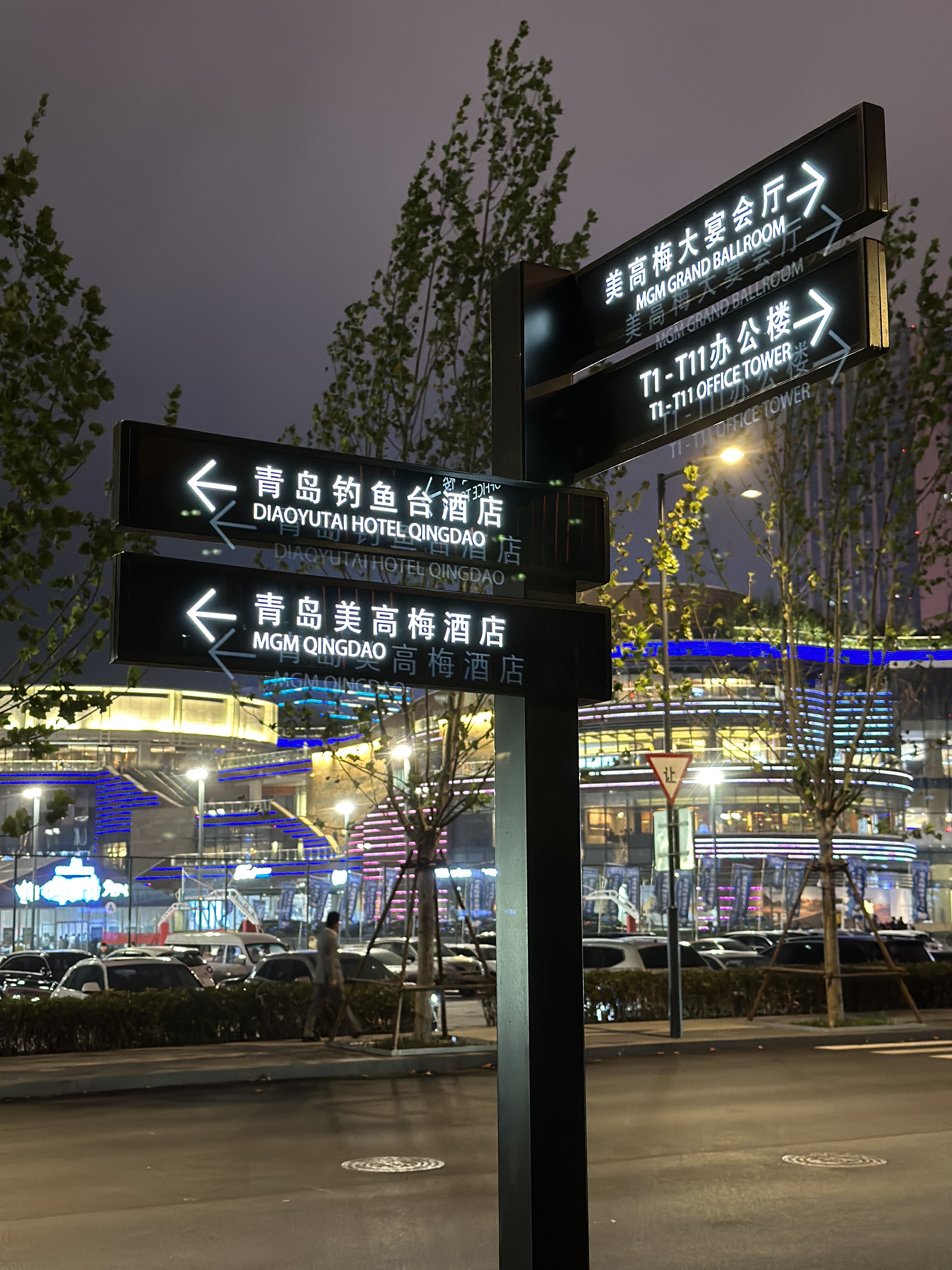
Understand Coastal Environmental Threats to Exterior Signage
Salt air corrosion: mechanisms and substrate vulnerability by material type
The salty air along coastlines really speeds up corrosion because those pesky chloride ions get into protective coatings and kick off electrochemical reactions. Signs made from carbon steel can rot away twice as fast near the ocean compared to places further inland, which falls into what's called ISO 9223 C5-M category for marine environments. Aluminum does form a sort of natural protection layer, but it still gets pitted if not treated properly through anodization processes. When it comes to stainless steel options, the marine grade stuff like ASTM A240/A276 316 lasts much longer against salt damage than regular 304 steel thanks to added molybdenum in the mix. For plastics such as PVC and acrylic materials used outdoors, salt causes problems too. These substances tend to soften and develop cracks on their surfaces either when salt works its way into molecules or builds up as crystals right there on top.
UV radiation effects on color stability, gloss retention, and polymer degradation in exterior signage
Exposure to UV rays causes materials used for signs to break down chemically over time, leading to color loss at around 2 to 4 percent each year according to lab tests simulating harsh weather conditions near the coast. Regular vinyl signs tend to lose more than half their shine after just about 18 months outside, whereas those with special UV protection coatings keep roughly 80 percent of their reflective quality intact much longer. At a molecular level, sunlight actually breaks apart polymer chains, which makes materials weaker over time. For example, standard PVC without protection can lose almost 40 percent of its strength within two years when exposed constantly. Polycarbonate tends to turn yellow unless it contains specific additives that block harmful UV wavelengths. Screen printed graphics also fade significantly faster than digitally printed ones because the pigments aren't as well protected in the printing process itself.
Humidity, biofilm formation, and synergistic corrosion acceleration in coastal microclimates
High humidity levels above 80% RH along coastlines create conditions ideal for microbiologically influenced corrosion (MIC). Biofilms form on surfaces, trapping moisture and producing acidic substances that can speed up metal corrosion rates by as much as four hundred percent. The process gets worse when salt particles mix with water to form conductive solutions, combined with oxygen pockets trapped under organic matter growth and hydrogen sulfide released by certain bacteria types. Marine signs often fail early due to this type of corrosion, with studies showing it's responsible for about a third of all premature failures. Materials such as wood and concrete suffer particularly badly since fungi can actually grow into their structures, weakening them over time until they eventually break down completely.
Choose Corrosion-Resistant Materials for Coastal Exterior Signage
Material selection is the most decisive factor in extending exterior signage lifespan in saline environments. Salt spray can accelerate metal degradation up to fivefold compared to inland conditions—demanding purpose-engineered solutions.
Marine-grade stainless steel (ASTM A240/A276 316) vs. standard 304: real-world longevity data from ISO 9223 C5-M exposure testing
Stainless steel 316 delivers 2–3’ greater service life than 304 in coastal signage applications. ISO 9223 C5-M exposure testing confirms its superior performance:
| Property | 316 Marine-Grade | Standard 304 |
|---|---|---|
| Corrosion Rate | <0.002 mm/year | 0.01–0.03 mm/year |
| Pitting Resistance | PREN >35 (Excellent) | PREN 19–23 (Moderate) |
| Service Life C5-M | 25+ years | 8–12 years |
Its chromium-nickel-molybdenum matrix provides exceptional chloride resistance—real-world installations maintain 92% structural integrity after 15 years in Category 5 marine environments. In contrast, standard 304 shows visible pitting within five years under identical exposure.
Anodized aluminum (AA-M21, Class II/III) and high-performance powder coatings validated for exterior signage in saline environments
Class II/III anodization produces a dense, 15–25 µm aluminum oxide layer that withstands salt crystallization stresses and mechanical abrasion. When paired with polyester powder coatings containing UV stabilizers and hydrophobic modifiers:
- UV reflectivity remains ≥80%, reducing polymer degradation by 40%
- Chromatic stability exceeds 10 years (ΔE < 1.5)
- Biofilm adhesion is significantly reduced via engineered surface topology
Independent testing verifies corrosion rates of just 0.03 µm/year for properly treated aluminum—supporting 20+ year service life in coastal installations. Edge-sealed assemblies further inhibit salt intrusion at joints and fastener interfaces.
Apply Coastal-Optimized Installation and Maintenance Practices for Exterior Signage
Wind-load anchoring, non-galvanic fastener selection, and foundation design per ASCE 7-22 for high-salinity coastal zones
Getting structural integrity right starts with proper installation that accounts for wind forces and deals with corrosion issues head on. According to the latest ASCE standards (specifically 7-22), anchors need calculations based on what kind of coastal environment we're talking about here. Take Exposure D areas for example. Standard galvanized steel bolts don't last very long when exposed to salty air either. We've seen them rust away at triple the rate compared to inland installations. That's why many professionals opt for marine grade 316L stainless steel components instead. Some folks prefer non metal composite systems altogether while others install aluminum to stainless isolation barriers between different materials to stop those pesky galvanic reactions. When building foundations, always go with zinc free concrete mixtures that meet at least 4000 psi strength requirements. Don't forget vapor barriers too since they help keep salt water from creeping through cracks. Freestanding sign installations present their own challenges. Footings should definitely go deeper than local frost lines and incorporate good drainage aggregate layers beneath them. This helps avoid problems with pooled salt water causing repeated freezing and thawing cycles that eventually crack everything apart over time.
Preventive maintenance schedule: biannual cleaning, coating integrity inspection, and early-corrosion intervention protocols
A disciplined maintenance program is critical. Begin with biannual cleaning using pH-neutral solutions and soft-bristle brushes—never abrasive tools or acidic cleaners—to remove salt residue without compromising protective layers. During each inspection:
- Assess coating adhesion per ASTM D3359 cross-hatch testing
- Examine fastener zones for crevice corrosion initiation
- Use ultrasonic thickness gauges to detect edge delamination or substrate thinning
At first sign of corrosion: isolate affected areas immediately, apply corrosion-inhibiting primers to active sites, and re-seal joints with marine-grade silicone. Re-coat entire surfaces every 5–7 years using polyurethane or fluoropolymer systems applied to ≥3 mil dry film thickness (DFT), verified for continuity via NACE SP0188 holiday detection testing.
Leverage Advanced Protective Finishes to Maximize Exterior Signage Durability
UV-stabilized lamination systems (UL 969 certified) with edge-sealing standards for salt intrusion prevention
Lamination systems certified under UL 969 standards offer two main forms of protection. They block harmful solar radiation which helps stop materials from fading, becoming brittle, or breaking down at the molecular level. At the same time, precise edge sealing acts as a real barrier against moisture carrying salt particles. When combined, these features break the damaging cycle caused by sunlight plus salt plus humidity, which means both looks and functionality last much longer. Field tests in some of the harshest marine environments classified as Category 5 show these protective finishes keep underlying materials intact and looking good for years longer than what we typically see with standard options on the market today.
FAQ
How does salt air corrosion affect signage materials?
Salt air corrosion speeds up the degradation of materials like carbon steel, aluminum, and certain plastics used in signage. Chloride ions from salt disrupt protective coatings, leading to faster deterioration, especially near coastlines.
Why is UV radiation harmful to exterior signage?
UV radiation causes chemical breakdowns in signage materials, resulting in color loss, gloss reduction, and weakening of polymer chains. UV rays particularly affect materials like vinyl and PVC over time.
What are the best materials for coastal signage?
Materials like marine-grade stainless steel and anodized aluminum with high-performance powder coatings provide longevity in coastal environments, offering better resistance to salt, UV radiation, and biofilms.
What maintenance practices are recommended for coastal signage?
Regular cleaning with pH-neutral solutions, inspecting coatings and fasteners for corrosion, and applying corrosion inhibitors are recommended practices to maintain coastal signage.