
 EN
EN
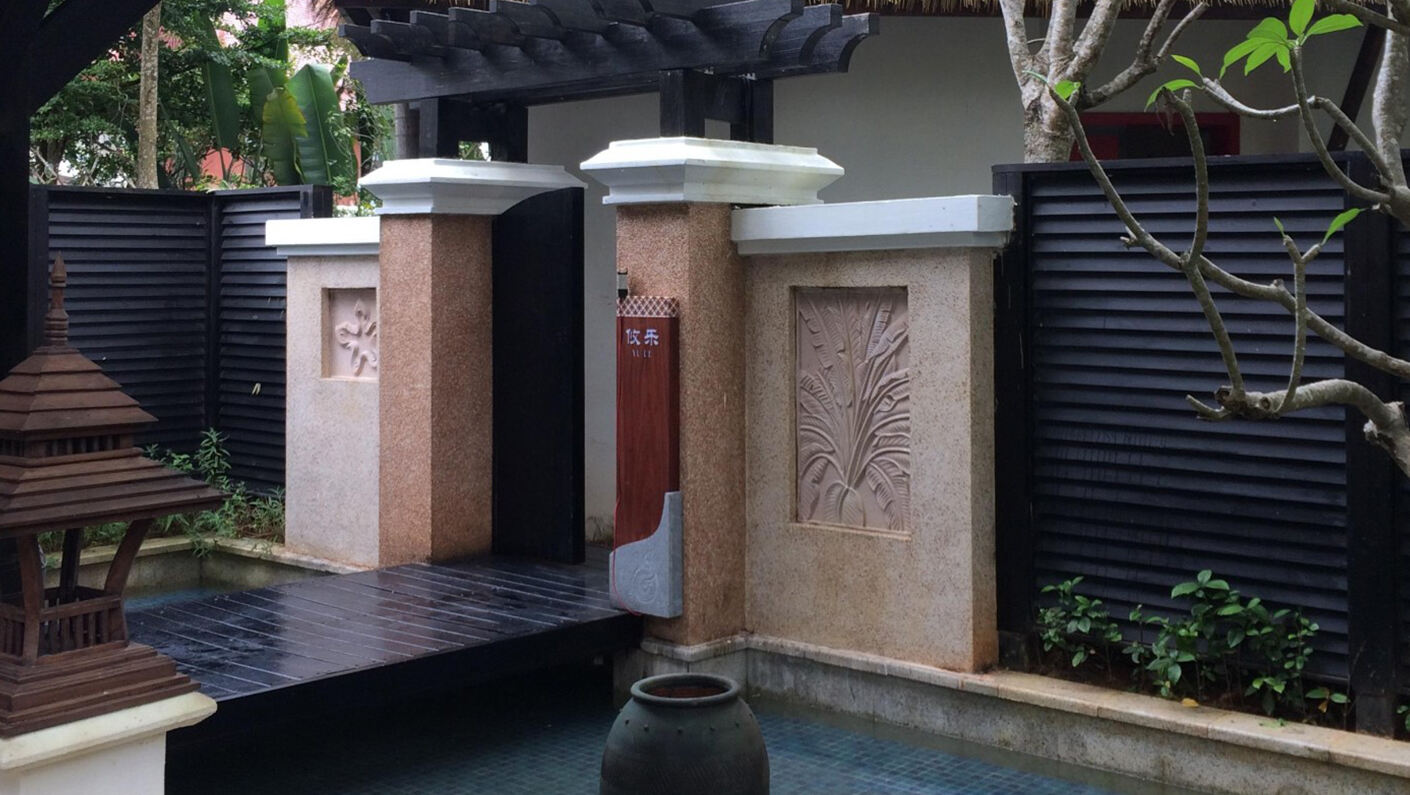
Understanding the Local Culture for Meaningful Hotel Signage
Researching Regional History and Traditions to Inform Signage Design
When it comes to making hotel signs feel culturally authentic, knowing the history behind where they're located is key. According to a survey by Global Traveler back in 2023, nearly 8 out of 10 international visitors want to stay somewhere that shows off local culture. Hotel designers need to dig into things like building styles, old symbols, and colors used historically if they want their signs to really connect with guests. Take Greek beach resorts for instance many of them use those intricate meander designs seen at nearby ruins. Meanwhile, traditional inns in Kyoto often feature calligraphy styles dating back to the Edo era. These touches don't just look good they help travelers feel immersed in the destination's unique character.
Engaging with Local Communities for Authentic Cultural Insights
A recent Hospitality Trends Report from 2024 found something interesting about community involvement boosting signage effectiveness by around 41%. Makes sense really when we think about it. When places work together with local people, signs just seem to work better somehow. Some real world examples show how this happens. For instance, working side by side with native craftspeople to design those little directional markers makes all the difference. Or bringing in older residents for feedback sessions on what messages actually get across. Even weaving stories passed down through generations into the way people navigate spaces can make navigation feel more natural. Take the resort in Bali as proof. They redesigned their entire sign system using traditional Peresean stick fighting patterns. Not only did guests find their way around much easier after that, but local artists started getting paid properly for their skills too. Win win situation if you ask me.
Avoiding Cultural Stereotypes in Visual and Linguistic Elements
According to the Cultural Sensitivity Institute from 2023, getting input from different cultures during design can stop around 89% of those accidental cultural appropriation problems. What works well? Working closely with people who know local history when looking at symbols we want to use. Also important is showing drafts to various groups of people from different backgrounds before finalizing anything. And creating designs that can be easily changed for different regions makes things much smoother later on. Take one resort in Southeast Asia as an example. They noticed guests were unhappy with some signs in their lobby area because they accidentally included sacred Hindu mandala patterns without understanding their significance. After making changes based on feedback, complaints dropped by nearly 60%. The key takeaway here is that when incorporating elements from other cultures, it's better to make subtle nods instead of copying things exactly as they appear traditionally. This approach keeps everyone feeling respected while still allowing creative expression.
Designing Culturally Inspired Visual Elements in Hotel Signage
Incorporating Traditional Patterns and Motifs into Wayfinding Symbols
Hotels get much more authentic feel when their signs incorporate local design elements for wayfinding around the property. According to some recent data from the 2024 Hotel Design Trends Report, places that feature traditional designs actually boost guest happiness regarding cultural experiences by about 31%. Think about coastal properties adding wave shaped etchings to bathroom markers, whereas those nestled in mountains could work with indigenous fabric patterns for their elevator buttons. But there's something important here worth noting. Getting the right look means working closely with area experts who know what symbols are okay to use commercially without crossing any cultural boundaries. Just because something looks cool doesn't mean it belongs on hotel walls if it has deep meaning somewhere else.
Applying Indigenous Craftsmanship in Materials and Engraving Techniques
Sustainable engagement occurs when hotels employ locally sourced materials paired with traditional techniques. Consider:
| Craft | Material | Cultural Significance |
|---|---|---|
| Bamboo carving | Renewable bamboo | Vietnamese heritage art |
| Navajo sandcasting | Recycled silver | Southwestern U.S. symbolism |
| MĀori flax weaving | Harakeke plant | New Zealand identity |
This approach supports artisan communities while creating unique signage assets—74% of luxury travelers prioritize such authenticity, according to a 2023 Cultural Travel Survey.
Respecting Sacred Symbols and Avoiding Cultural Misappropriation
A 2023 study by the Signage Cultural Ethics Group revealed 42% of hotels unintentionally used restricted symbols in their first design draft. To prevent misuse: conduct formal consultations with cultural guardians, use only publicly available motifs (avoiding ceremonial or clan-specific designs), and include attribution plaques explaining symbol origins.
Case Study: Using MĀori Koru Patterns in New Zealand Boutique Hotel Signage
One Queenstown accommodation spot stands out for how it works closely with the local Ngāi Tahu tribe. They've made sure the traditional koru design only appears where guests won't be touching surfaces, and all staff know the story behind this symbol of new beginnings. Guests really seem to appreciate this effort too - most leave glowing comments about respecting local culture. The business has seen bookings go up quite a bit since they started sharing photos of their unique signs online, which explains why so many people now book directly through them rather than via third parties.
Using Color and Language to Reflect Local Identity in Hotel Signage
Mapping Local Color Symbolism to Guest Emotions and Behavior
The colors picked for hotel signs really shape how guests feel about a place and where they end up going. Take Bali for instance most resorts there go with gold and green tones because those colors just scream spiritual balance to visitors. Over in Morocco, many hotels stick with deep cobalt blues that tie back to local traditions. A recent study from last year showed something interesting around 75 or so percent of travelers actually link certain colors with better service quality when they're staying somewhere new. Makes sense when you think about it colors set expectations before anyone even steps through the door.
| Cultural Color Pair | Symbolic Meaning | WCAG Contrast Ratio Compliance |
|---|---|---|
| Terracotta & Indigo | Mediterranean warmth | 5.2:1 (AA compliant) |
| Jade & Gold | Asian prosperity | 4.8:1 (enhanced with texture) |
Balancing Vibrant Cultural Palettes with Accessibility Standards
While vibrant tones like Fijian coral pink or Navajo turquoise amplify cultural authenticity, designers must ensure ADA-compliant contrast ratios. Hotels that combine traditional palettes with accessibility adjustments see 22% fewer guest wayfinding complaints, per a 2023 study.
Using Bilingual or Multilingual Messaging Where Culturally Appropriate
In regions like Québec or Catalonia, bilingual hotel signage improves engagement by 34% compared to monolingual equivalents (LH Signs 2023). In linguistic border zones, hotels often pair icon-driven directional signs with discreet translations to honor local language norms without visual clutter.
Strategic Placement and Navigation Aligned with Local Customs
Aligning Signage Placement With Local Spatial Customs and Navigation Habits
When placing hotel signs, designers need to think about how different cultures perceive space. Some places where community areas matter most tend to put signs pointing toward lounges and courtyards before worrying about individual room numbers. According to recent research from the Hospitality Design field (2024), establishments that adapt their wayfinding to local traditions report around 28% better satisfaction ratings from guests. Take Japan's ryokan inns as one example they often install signs at lower heights so they work with the country's bowing etiquette. Meanwhile across the Middle East, many luxury resorts arrange their directional markers in triangle shapes reminiscent of old marketplaces or souks, creating familiar visual cues for visitors.
Coordinating Typography and Layout With Locally Inspired Interior Design
Font choices and sign proportions should mirror regional architectural styles. Art Nouveau districts inspire flowing script typefaces, while Brutalist-inspired properties favor angular fonts at larger scales. Consider:
| Cultural Context | Typography Style | Accessibility Adjustment |
|---|---|---|
| Southeast Asian | Intricate calligraphy | High-contrast backgrounds |
| Nordic Modernist | Minimalist sans-serif | Increased character spacing |
Tactile elements further enhance authenticity—Bali resorts use carved wood textures, Scandinavian hotels employ frosted glass etching. All designs maintain WCAG 2.1 standards for readability, proving cultural expression and accessibility can coexist.
Implementation tip: Conduct spatial behavior audits—track how 50+ local guests naturally navigate prototype layouts before finalizing sign positions.
Enhancing Guest Experience Through Cultural Storytelling in Signage
Embedding Narratives of Local Legends and Heritage Into Directional Signs
When hotels think beyond basic signs and infuse local legends into their directional markers, guests tend to remember the experience much better. According to research from last year, places that go this route report about 42 percent more satisfied visitors compared to spots stuck with boring standard signs. Take for instance that little lodge nestled in the Colorado mountains which has trails marked with carvings telling ancient Ute creation tales. Or check out how one castle hotel in Scotland actually weaves old family crests right into their door numbers throughout the building. These small touches create connections between travelers and the destination itself.
Creating Interactive Signage With QR Codes Linking to Cultural Audio Guides
These days, travelers want a mix of old school and high tech stuff when they check in somewhere new. About two thirds of guests actually scan those little QR codes while staying at hotels, says the latest hospitality tech survey from 2024. Many properties are getting creative by combining classic wooden welcome signs with those scannable tags that link to cool stuff like stories told by local grandmas, peek behind the curtain looks at artisans at work, and even AR tours that pop up when you point your phone at certain spots. Take one resort in Bali mentioned in an industry report last quarter they saw their cultural activity sign ups jump three times what they were before after putting those QR codes on poolside info boards.
Measuring Guest Engagement Through Feedback on Culturally Themed Hotel Signage
Forward-thinking properties track key performance indicators:
| Metric | Data Source | Improvement Strategy Example |
|---|---|---|
| Dwell time | Motion sensors | Optimizing sign placement |
| QR scan rates | Analytics dashboards | Simplifying code size/contrast |
| Story recall | Post-stay surveys | Adding tactile elements to signage |
A Mexico City hotel increased repeat bookings by 19% after guests reported stronger cultural connection through its Aztec motif signage system.
Controversy Analysis: Balancing Authenticity With Commercial Aesthetics
While 81% of travelers want "genuine local experiences" (2024 Booking.com survey), properties risk backlash when blending sacred symbols with promotional content. Successful hotels mitigate this by collaborating with cultural boards to audit designs, ensuring commercial needs never overshadow traditional meanings—a balance requiring ongoing evaluation as community standards evolve.
FAQ
Why is understanding local culture important for hotel signage?
Understanding local culture helps designers create signs that resonate with guests, enhancing their experience by immersing them in the destination's unique character.
How can hotels avoid cultural appropriation in signage design?
Hotels can avoid cultural appropriation by consulting cultural experts, showcasing design drafts to diverse groups, and using elements subtly without exact replications of sacred symbols.
What role do colors play in hotel signage design?
Colors influence guest emotions and behavior. Hotels often choose colors that reflect local cultural symbolism to enhance guest experiences and expectations.
How can hotels balance cultural authenticity and accessibility in signage?
Hotels can balance these aspects by ensuring color contrast ratios meet accessibility standards and making designs adjustable for different regions without losing cultural essence.
Table of Contents
- Understanding the Local Culture for Meaningful Hotel Signage
- Designing Culturally Inspired Visual Elements in Hotel Signage
- Using Color and Language to Reflect Local Identity in Hotel Signage
- Strategic Placement and Navigation Aligned with Local Customs
-
Enhancing Guest Experience Through Cultural Storytelling in Signage
- Embedding Narratives of Local Legends and Heritage Into Directional Signs
- Creating Interactive Signage With QR Codes Linking to Cultural Audio Guides
- Measuring Guest Engagement Through Feedback on Culturally Themed Hotel Signage
- Controversy Analysis: Balancing Authenticity With Commercial Aesthetics
- FAQ