
 EN
EN
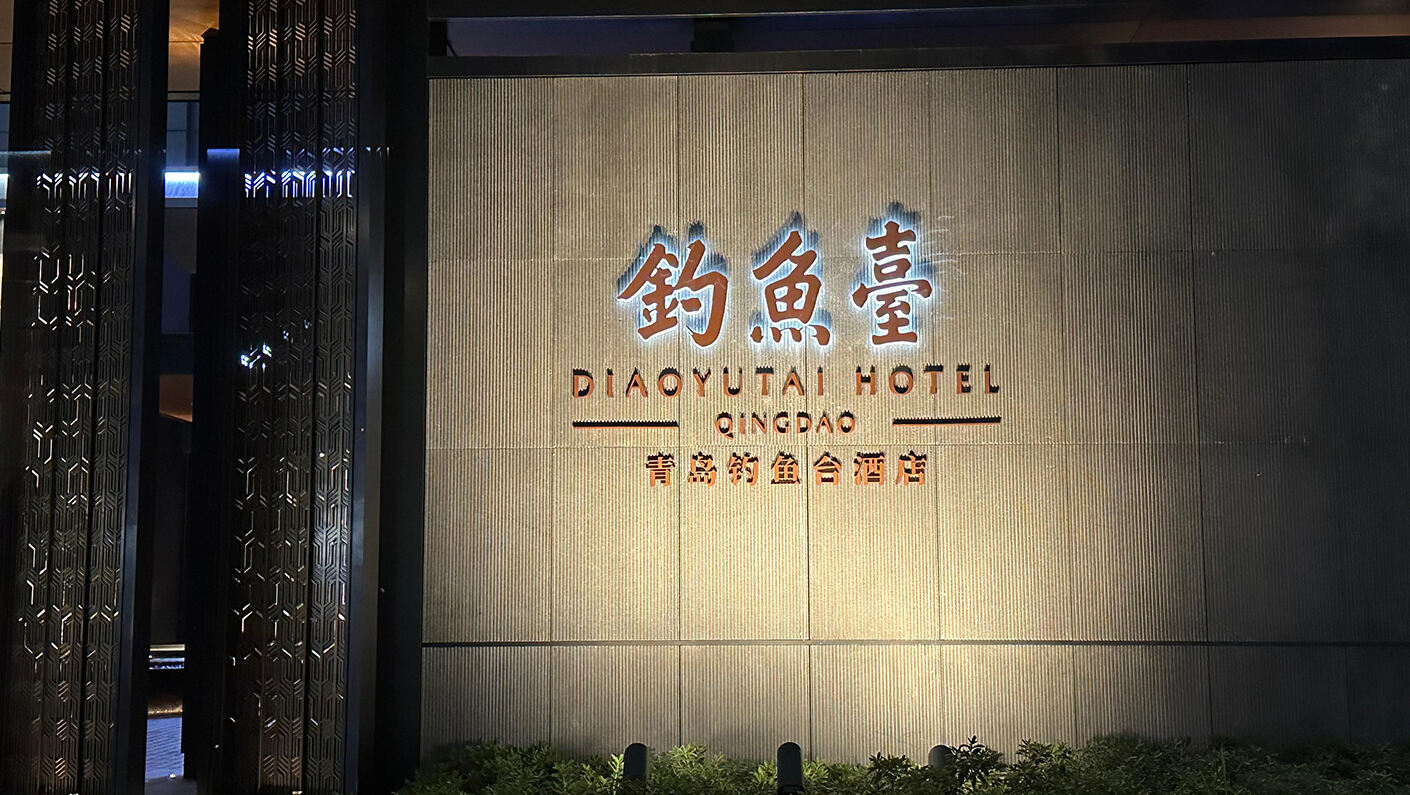
Maximizing Visibility with LED and Illuminated Signage
Why LED signage for nighttime visibility is the top choice for hotels
Hotels across the country are turning to LED signs for their outside lighting needs because these lights simply outshine everything else when it comes to brightness, saving power, and lasting forever. Compared to old fashioned neon signs, LED versions use around three quarters less electricity. And they keep working for years without fading away - we're talking about well over 50 thousand hours of actual use time. What makes them so great? Well, hotel managers can tweak how bright the signs are throughout the day. This means guests can easily find their way even after dark when streetlights might not be enough. Many hotels report that visitors appreciate being able to read information clearly no matter what time they arrive.
Backlit and illuminated logos as a cornerstone of modern hotel branding
Halo-lit logos enhance brand recall by 40% (Hospitality Design 2023) through a uniform glow that outlines lettering or emblems. This technique projects sophistication and maintains visibility from multiple angles—an advantage for hotels near highways or in densely lit urban areas where visual competition is high.
Energy efficiency and longevity of LED lighting for signage
LED systems can reduce hotel energy costs by up to $740 annually (Ponemon 2023), thanks to adaptive brightness controls and heat-resistant components. Unlike incandescent bulbs, LEDs perform reliably across extreme temperatures—from -22°F to 140°F—making them ideal for seasonal climates and reducing maintenance demands.
Ensuring year-round performance with weather-resistant illuminated signage for 24/7 visibility
IP65-rated LED housings resist rain, snow, and debris without corrosion—a necessity for coastal or high-altitude properties. Sealed electrical components prevent short-circuiting, ensuring continuous operation during storms and harsh weather conditions.
Case study: How a downtown hotel increased visibility by 70% with full LED retrofit
A 200-room hotel near Times Square replaced its faded neon sign with halo-lit channel letters, achieving a 70% visibility boost within three months. Guest arrival accuracy improved by 25%, demonstrating how modern LED signage directly enhances nighttime wayfinding and guest experience.
Designing for Impact: Channel Letters, Halo Lighting, and 3D Presence
Understanding Channel Letter Signs with Halo Lighting Aesthetics
Halo lighting in channel letter signs gives them that extra dimension by shining light from behind each letter. According to some research from last year in the hospitality industry, this kind of backlighting can make letters look like they stick out 3 to 6 inches further than they actually do. We've found these halo-lit designs work really well when installed on buildings made of stone or metal surfaces. Front lighting would just bounce off those materials and create annoying glare for people looking at the sign. Instead, halo lighting creates a nice effect where the sign remains clearly visible but doesn't clash with the building's overall appearance either.
Halo-Lit vs. Backlit Signs: Which Offers Better Depth and Visibility?
Three key differences guide selection:
- Halo-lit signs offer 72% better depth perception at distances over 50 feet (Illuminated Signage Institute 2023)
- Backlit signs deliver 37% higher brightness, ideal for immediate roadside recognition
- Hybrid configurations combining both techniques can increase night visibility by 59%
This makes hybrid designs particularly effective for large-scale hotel signage requiring both presence and clarity.
Designing Three-Dimensional Presence Using High-Quality Illumination
Most hotels looking for eye-catching signage go with those 4 to 8 inch deep channel letters packed with LED lights that save on electricity bills. Some studies in the hospitality business actually showed that these 3D glowing signs helped guests spot the hotel at night around 40 percent better than regular flat signs did. When it comes to lasting power, the best ones have components rated IP67 which means they can handle pretty much anything nature throws at them. We're talking about surviving super cold days down to minus 40 degrees or scorching heat up to 140 degrees Fahrenheit, plus they stand up against winds strong enough to knock over trees during hurricanes. That kind of toughness makes sure the sign keeps working even when conditions get really tough out there.
Optimizing Color, Contrast, and Light Temperature for Night Readability
Best colors for sign visibility at night: Science behind perception in low light
Contrasting colors really help people see things better at night. Studies found that white letters on dark blue backgrounds get recognized about 40 percent quicker than those medium colored combinations when light levels drop (Hospitality Lighting Institute reported this back in 2023). When dark backgrounds meet bright letters, they work with how our eyes actually function, specifically those rod cells that react strongly to contrasts. This makes signs stand out to drivers passing by. Another interesting finding comes from some recent research in 2024 about sign visibility. They discovered that signs with amber or deep green backgrounds were around 27% easier to read under street lights than ones with boring neutral colors.
Color contrast and readability at night: Maximizing guest recognition from a distance
Hotel signs need good contrast to be seen clearly, ideally around 4.5:1 luminance ratio which actually beats the WCAG accessibility guidelines by about 18% when viewed from a distance. Signs with this kind of contrast let people process information roughly 70% quicker when they're standing 150 feet away versus those with poor contrast. When it comes to directional markers, most experts recommend letters about 10 inches tall with strokes approximately 1.5 inches wide. These dimensions work well for reading from 300 feet away while driving at 30 miles per hour, making sure guests can find their way safely through parking lots and into buildings without confusion or delays.
Data insight: Warm white vs. cool white LEDs in enhancing color contrast
Warm white LEDs in the 2700K to 3000K range actually boost color visibility against dark surfaces by around 33% compared to those cold blue tones above 5000K. That's why many upscale hotels prefer them for creating that warm inviting atmosphere guests remember. On the flip side though, those cooler white LEDs perform better efficiency wise, giving about 22% more bang for the buck when installed next to lighter colored walls or furniture. The latest smart LED setups are game changers too. They let hotel managers tweak the lighting dynamically throughout the day and seasons, so they can keep that sweet spot of roughly 3000:1 contrast ratio no matter what kind of natural light is coming through the windows or how the weather changes outside.
Enhancing Legibility Through Font Choice and Sign Layout
Font selection for nighttime visibility: Legibility over style
Good typography really matters when people need to find their way around at night. Studies show that simple sans serif fonts such as Helvetica or Arial can boost reading ease by about 27 percent over fancy script styles, according to research from the Hospitality Signage Institute back in 2023. When it comes to visibility in low light conditions, thicker strokes work best. Experts recommend keeping the ratio of stroke width to letter height at least 1 to 5 to avoid those frustrating blurry effects. Businesses that switched to clean, bold typefaces with strong contrast noticed something interesting too. A recent 2023 study found these places had roughly 30% fewer instances where customers missed entry points during evening hours. Makes sense really, doesn't it?
Spacing, stroke width, and height standards for optimal recognition after dark
Optimal nighttime legibility follows proven proportional guidelines:
- Letter height: 10 inches per 100 feet of intended viewing distance
- Stroke width: At least 15% of character height for consistent clarity
- Spacing (tracking): 25–30% between letters to avoid visual overlap
For example, hotels needing 150-foot visibility should use 15-inch tall letters with 2.25-inch stroke widths. According to the 2024 Visibility Standards Guide, proper spacing reduces eye strain by 40% in low-light conditions compared to tightly packed layouts, improving both safety and user experience.
Frequently Asked Questions
What are the benefits of using LED signage for hotels?
LED signage offers superior brightness, energy efficiency, long-lasting performance, and allows for adjustable brightness to enhance visibility in different lighting conditions, making it ideal for hotels.
How does halo lighting improve the visibility of channel letter signs?
Halo lighting enhances depth perception, making letters appear more prominent even from a distance and reducing glare compared to front lighting, thus improving visibility and aesthetics.
How do warm white LEDs compare to cool white LEDs in terms of visibility?
Warm white LEDs enhance visibility against dark backgrounds by 33% more than cooler blue tones, making them preferable for creating an inviting atmosphere, but cool white LEDs perform better on lighter surfaces.
Table of Contents
-
Maximizing Visibility with LED and Illuminated Signage
- Why LED signage for nighttime visibility is the top choice for hotels
- Backlit and illuminated logos as a cornerstone of modern hotel branding
- Energy efficiency and longevity of LED lighting for signage
- Ensuring year-round performance with weather-resistant illuminated signage for 24/7 visibility
- Case study: How a downtown hotel increased visibility by 70% with full LED retrofit
- Designing for Impact: Channel Letters, Halo Lighting, and 3D Presence
- Optimizing Color, Contrast, and Light Temperature for Night Readability
- Enhancing Legibility Through Font Choice and Sign Layout