Hanging / Suspended Signs: Common in malls and hospitals, these ceiling-mounted signs are primarily used for directional guidance. They are placed in highly visible locations and sized for easy readability.
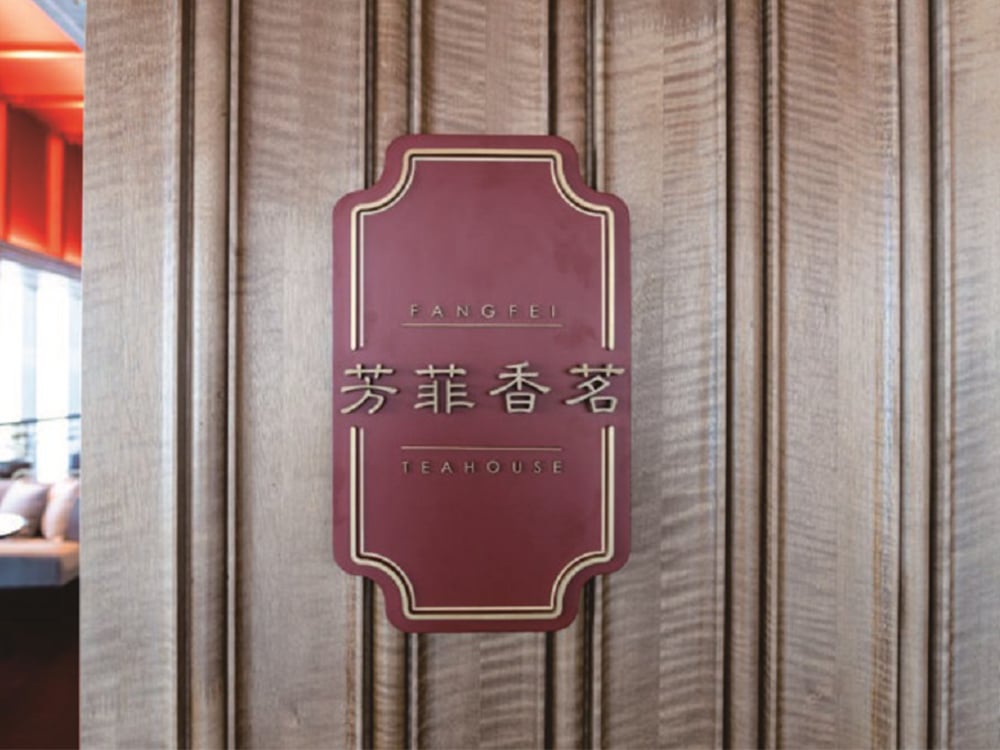
Wall-Mounted (Flush-Mounted) Signs: Signs mounted flat against a wall surface, such as door plates and department or room signs.
Projecting Signs: Signs attached to a wall on one side but extending outward from the wall (also called projecting or blade signs). Typical examples include classroom or corridor entrance signs.
Classification by Function
Directional / Wayfinding Signs: Signs that include arrows or other visual cues to indicate direction.
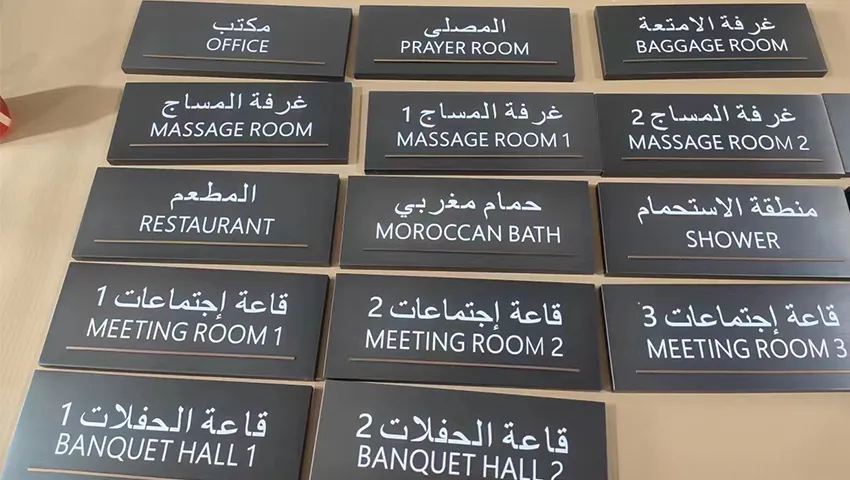
Identification / Nameplate Signs: Signs used to identify a fixed, specific location or occupant.
Informational / Courtesy Signs: Signs that provide reminders or explanations; they typically use a friendly tone and bright colors.
Warning Signs: Signs with a commanding or prohibitive tone (e.g., "No Entry," "Prohibited"). They are designed for immediate visibility to help reduce safety incidents.
Display / Interpretive Signs: Signs that present background information, introductions, corporate culture, historical context, or similar content.
Safety Signs: Technical signage intended to protect workers and reduce hazards in high-risk areas.


 EN
EN





 Hot News