Nowadays, a city's wayfinding and signage system is receiving increasing attention from the public. When a city rationally plans and implements its wayfinding system, it can help make people's daily lives more convenient and efficient, while also enhancing the city's environmental beauty and cultural charm. This contributes value to the city's commercial economy and cultural tourism economy, helping to build a modern, top-tier city with unique customs and cultural appeal.
So what components does a city's wayfinding system typically include, and what different roles does each part play? Let's take a look together below.
Generally speaking, a city's wayfinding system mainly includes three major categories: the public space wayfinding system, the commercial complex wayfinding system, and the cultural tourism wayfinding system.
The public space wayfinding system covers the broadest scope within a city's wayfinding system, extending across nearly every area of the city. Since this system is an indispensable part of people's daily activities, the number of signs within it needs to be substantial, and their placement must be carefully planned for rationality. Only in this way can the wayfinding be truly human-centered and help improve the convenience of people's daily travel.
The public space wayfinding system mainly includes:
Traffic and road signage such as directional signs, bus stop signs, and road markings;
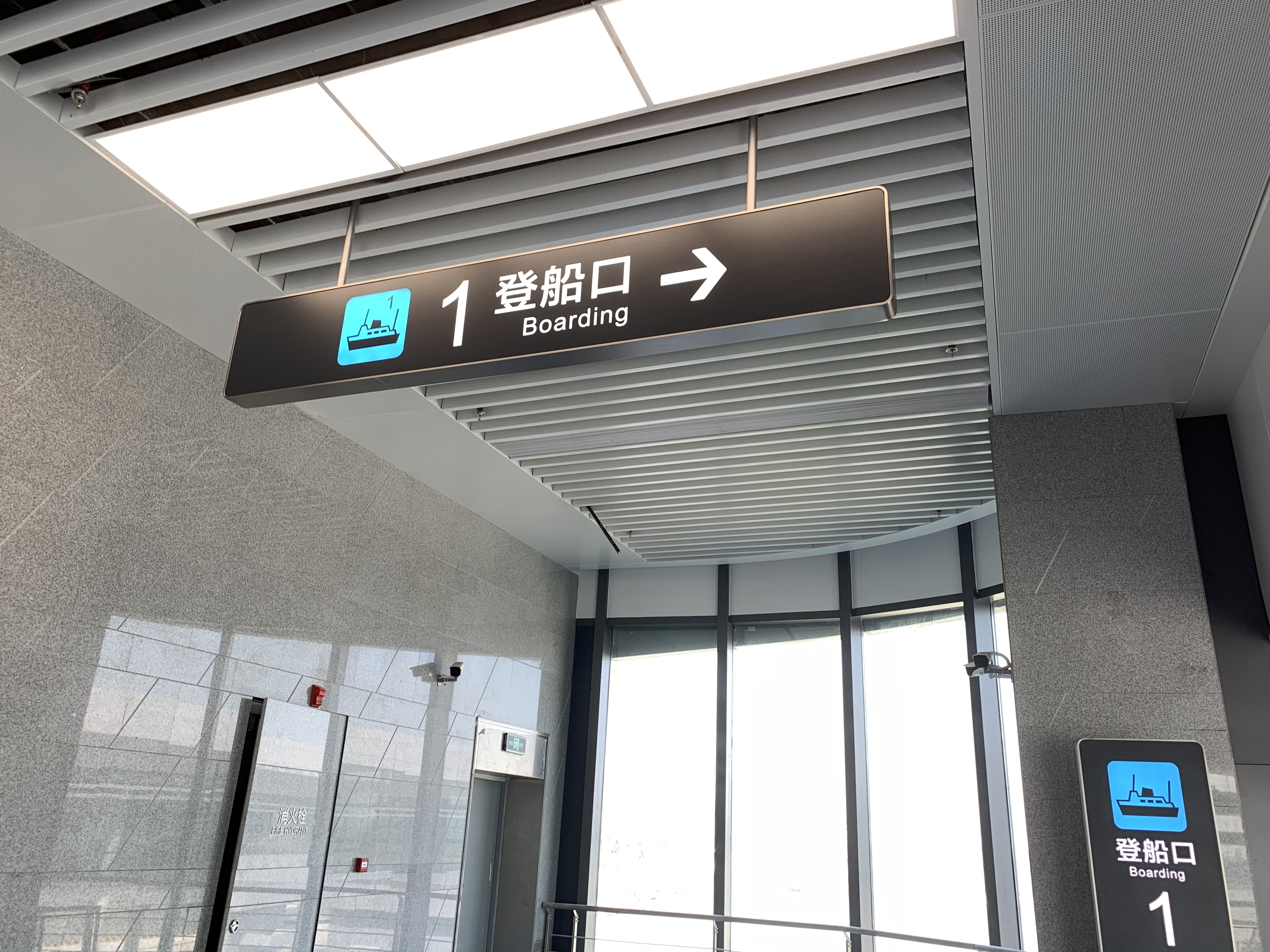
Signage at various stations, airports, and ports, including departure/arrival information boards, index maps, area maps, flight schedules, and price lists;
Signage at libraries, art galleries, gymnasiums, museums, parks, and amusement parks, including directional signs, zone numbering, and index maps.
In summary, a city's wayfinding system refers to the collection of signs formed through the combination of graphics, text, color, and other elements within a city's public spaces. Its purpose is to provide people with directional guidance and area information, helping them determine the direction of their intended destination. Because urban wayfinding signs come in many different forms and cover an extremely wide range of areas, and because they are the signage people use most frequently in their daily lives, the design requirements for details are especially strict.
Therefore, in addition to considering style, layout, graphics, and color, the design of public space wayfinding systems must also pay closer attention to meeting human-centered requirements regarding where and how information is presented across different areas and locations.

 EN
EN




 Hot News