Principles to Follow in Wayfinding Design
As urbanization progresses, wayfinding design has become an integral part of daily life. In large shopping malls, hospitals, hotels, train stations, airports, scenic areas, and other high-traffic places, the absence of effective wayfinding greatly disrupts people’s movements. What principles should good wayfinding design follow? The following points are provided for reference.
Practicality
Practicality is the foundation of wayfinding design. No matter how visually appealing a design may be, if it cannot be implemented in the real world it remains merely an illusion. The primary purpose of wayfinding design is to convey information accurately to the public. Therefore, every design should prioritize practicality first, and then refine other aspects to achieve the best overall outcome.
Visual Communication
Wayfinding design guides people with direction and order, helps them reach their destinations smoothly, and enables them to locate safe exits during emergencies — all while preserving the visual integrity of the environment. In terms of visual communication, color choices must suit the specific context and support the sign’s functional role. Signage systems serve a wide range of users: people with disabilities and those without, locals and international visitors, adults and children. Different groups vary in their ability to process text and graphics. When designing a signage system, account for these differences by using universally recognized icons, plain language, and appropriate language variants, with the goal of making the signage as universally understandable as possible. For these reasons, professional wayfinding design must adhere to the principle of effective visual communication.
Simplicity, Visibility, and Legibility
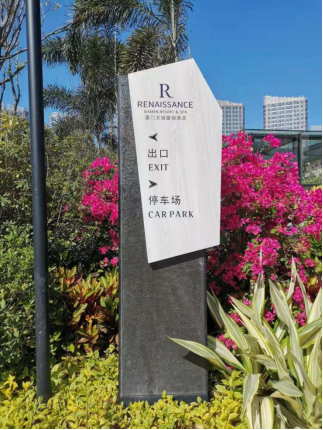
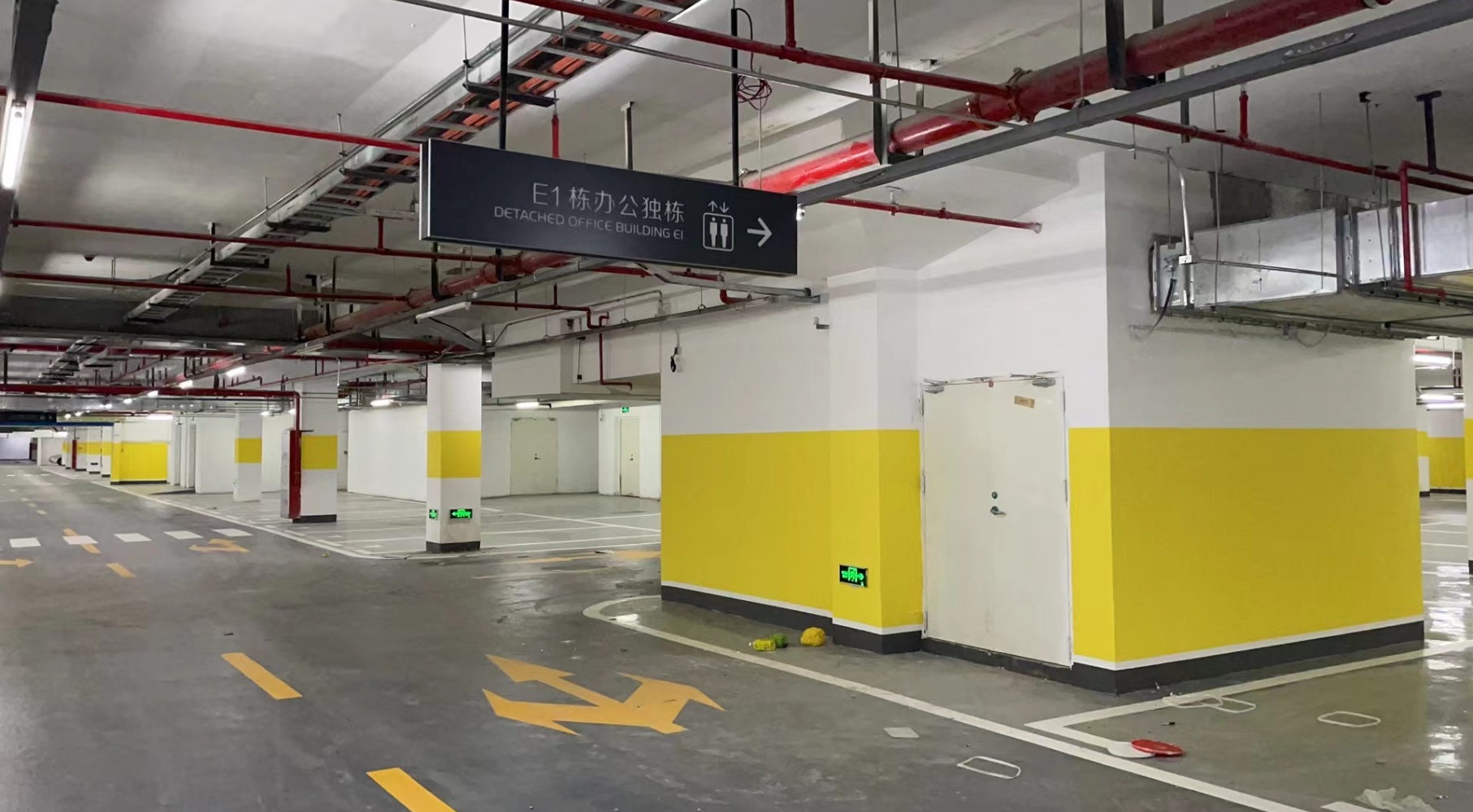
Many people have encountered restroom signs so abstract or stylized that adults cannot tell which symbol denotes men and which denotes women. Signage should therefore prioritize simplicity, clarity, and strong legibility. Place signs in prominent, well-chosen locations that align with natural sightlines and do not disrupt the environment’s aesthetics. Signs should be sized appropriately and provide sufficient contrast with their surroundings so they remain readable at the required viewing distance. Signage systems should be permanently installed rather than attached to movable objects, ensuring they are readable at all times. In scenic areas open at night, place signs near light sources or provide integrated lighting to ensure readability after dark and to improve overall convenience.
Consistency
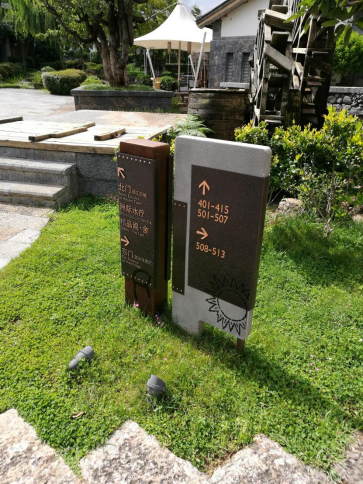
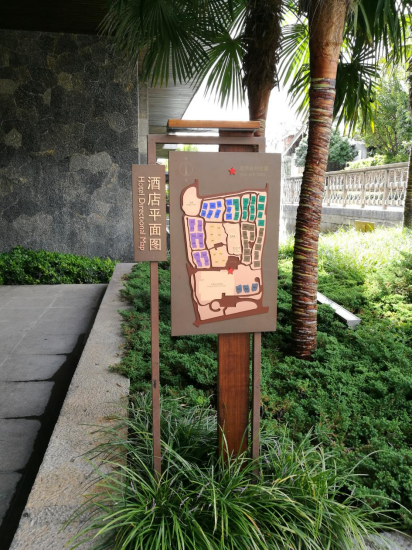
Wayfinding design should maintain a consistent overall system. Colors, sizes, materials, graphic and typeface styles, and installation heights should be unified to ensure continuity for users and to establish a cohesive visual identity. When designing a signage system, also consider sustainability — choose environmentally friendly materials and adopt structural forms that allow for easy content updates.
Safety
Safety must be considered throughout the wayfinding design process. Wayfinding is intended for the general public, so sign materials should be non-hazardous, structures must be stable, and installations secure. Neglecting safety can lead to anything from minor accidents to serious threats to public safety. Therefore, exercise great care when addressing safety in design.

 EN
EN



 Hot News