In today’s fast-paced world, people rely heavily on various types of signage. In a hospital’s complex environment, wayfinding signage does more than convey information: it guides patients and staff, improves accessibility, and reduces stress. This article examines why hospital wayfinding design is necessary, outlines guiding principles, and proposes practical implementation strategies for professionals in the field.
I. Why Hospital Wayfinding Is Necessary
Hospitals are complex facilities with multiple departments, varied treatment paths, and diverse visitor needs. Patients who arrive in an unfamiliar hospital often feel anxious and disoriented. Effective wayfinding acts as a guide, helping patients quickly locate departments and services. For clinical and support staff, clear signage enables faster location of patients, equipment, and emergency areas, thereby improving efficiency and reducing the risk of errors.
II. Design and Implementation Guidelines
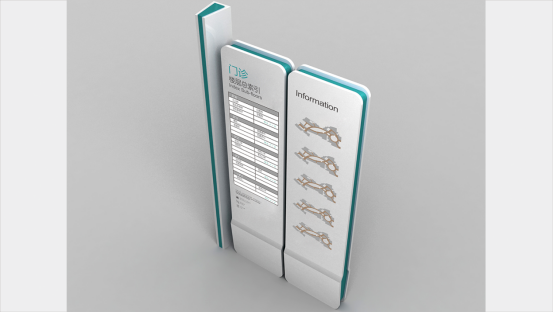
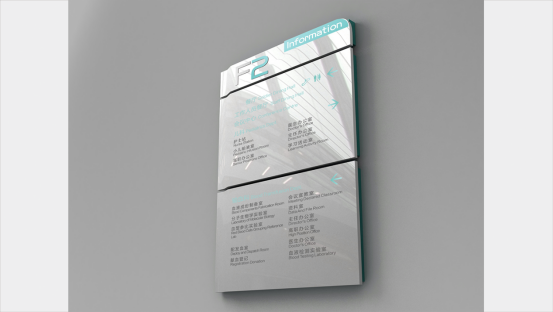
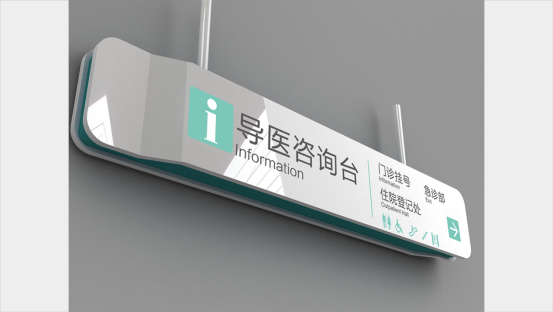
- Design elements: Use simple icons and concise text as primary elements. Icons should be medically intuitive (for example, a heart for cardiology), and fonts should be highly legible at typical viewing distances.
- Color scheme: Choose calm, muted tones such as light blue, soft green, or pale gray. These colors help reduce anxiety and support a restful atmosphere.
- Layout planning: Develop a clear wayfinding hierarchy based on floor plans and department distribution. Signs must be positioned strategically so users can find directional information quickly.
- Materials: Select durable, easy-to-clean, and hygienic materials. Waterproof and dust-resistant finishes are recommended for longevity in clinical environments.
- Language and wording: Use plain, concise language. Avoid overly technical terms so that patients and staff from different cultural and educational backgrounds can understand the information.
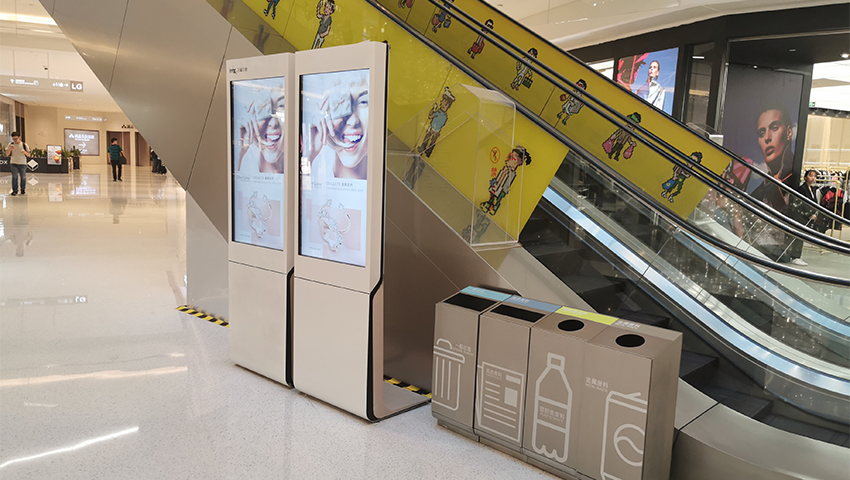
- Digital/dynamic wayfinding: Integrate digital solutions such as interactive kiosks, mobile wayfinding apps, and electronic directory screens to provide real-time, intuitive navigation.
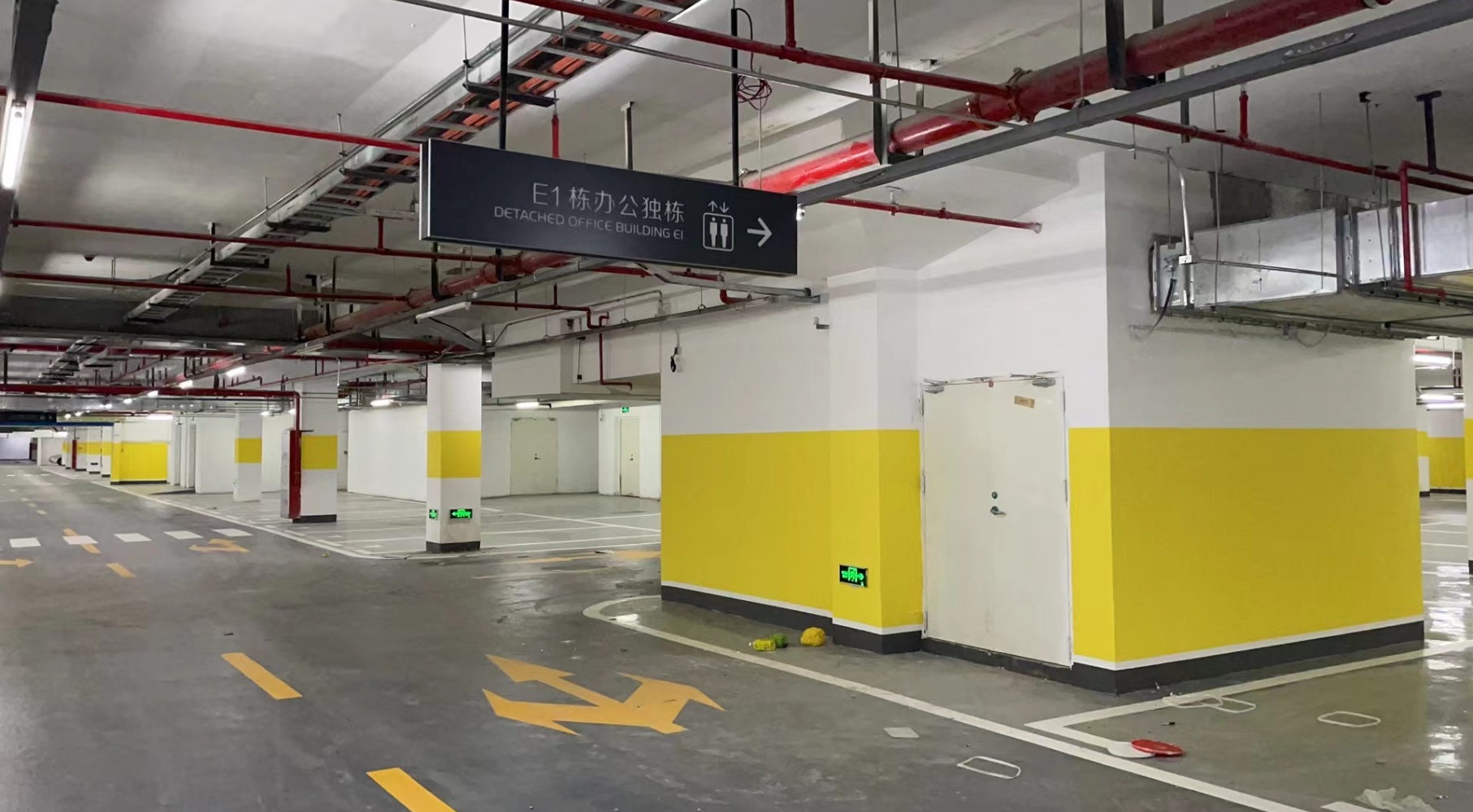
- Nighttime visibility: Ensure signs used after dark have appropriate illumination or backlighting so they remain legible in low-light conditions.
- Feedback and iteration: Collect regular feedback from patients and staff and adjust signage accordingly. Maintain a human-centered approach to ensure practicality and accessibility.
III. Measured Outcomes
Well-designed hospital wayfinding systems produce measurable benefits. Patients and staff typically report that signage is clearer and easier to use, which improves service quality and operational efficiency. Clear wayfinding also enhances patient satisfaction and trust, while contributing positively to the hospital’s image and brand.

 EN
EN




 Hot News