
 EN
EN
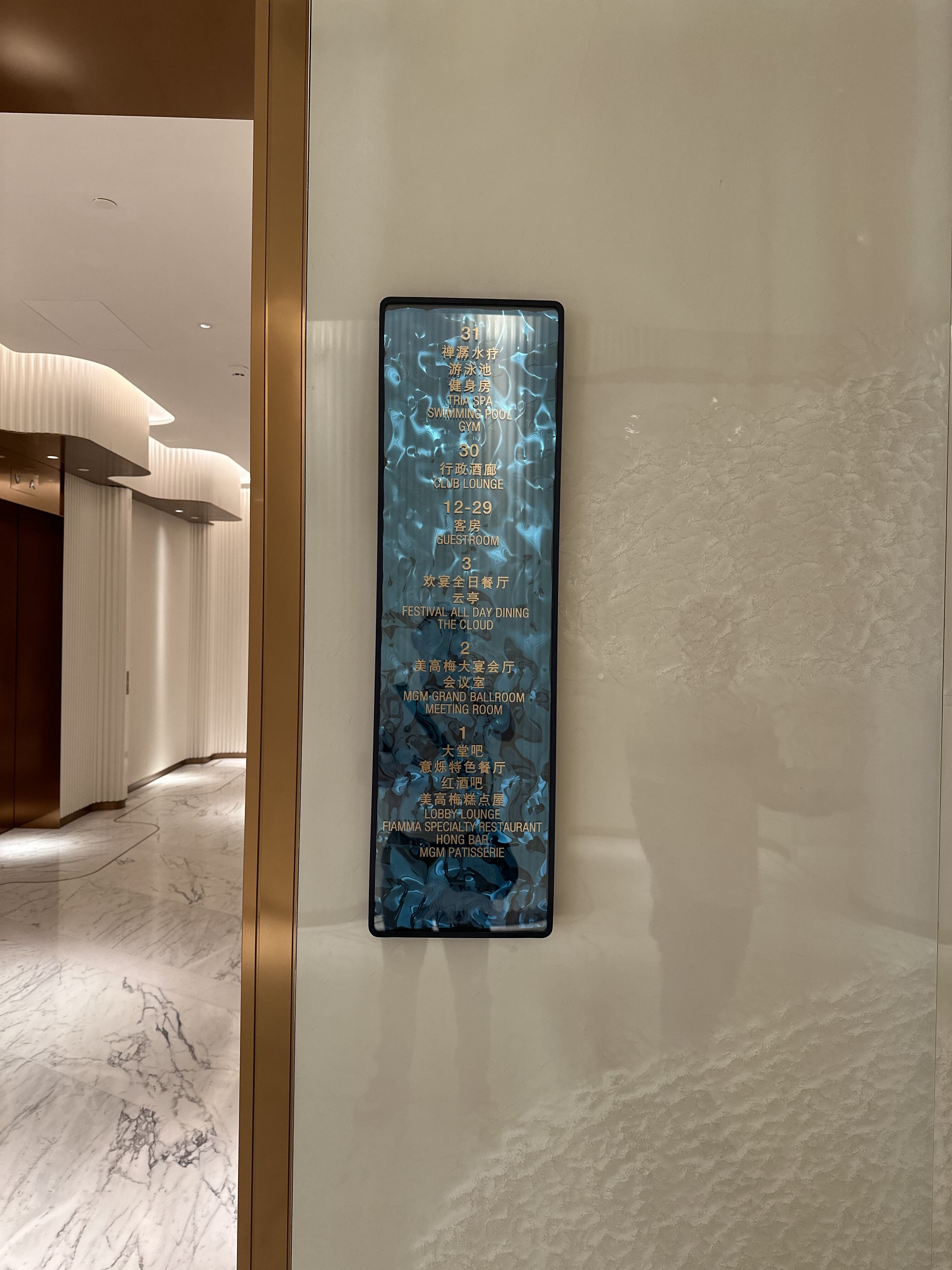
Why Signage Wayfinding Directly Shapes Visitor Flow
The Hidden Costs of Poor Signage: Delays, Frustration, and Operational Inefficiency
Poor signage for wayfinding actually causes real problems in three main areas. First off, people get stuck finding their way around places where signs are bad. Studies show folks end up spending about 30% longer getting where they need to go compared to well-signed locations. And this extra time adds up fast. Missed doctor's appointments happen all the time in hospitals with confusing layouts, while shoppers in stores just rush through without really engaging with products or services. Second problem? Visitors get frustrated when directions aren't clear. The lack of good signage leads to roughly 17% more complaints in businesses that rely on customer service. Third issue comes down to what happens behind the scenes. Staff members keep having to help lost customers find their way, which eats into their work time. Facility managers have mentioned losing around 15% of productivity because employees are constantly stopping what they're doing to assist with navigation issues instead of focusing on their actual jobs, and this ends up costing companies money in overtime pay. All these connected problems show why bad navigation systems cost organizations both time and money while making visitors unhappy.
Cognitive Load and Behavioral Impact: How Navigation Failure Disrupts Movement Patterns
Poorly designed wayfinding signs make it hard for visitors to navigate without getting frustrated. When there are no clear visual clues around, people start feeling mentally drained trying to figure out what those confusing symbols mean or remember complicated directions they saw earlier. We can actually see this happening: folks pause longer at intersections, backtrack through areas they already passed, and bunch together near help desks looking lost. These problems cause all sorts of issues downstream too. Bottlenecks tend to appear near entrances where crowds gather, pedestrians cross walkways in unexpected ways, and the natural flow of traffic gets broken up completely. According to some studies done by environmental psychology experts, when someone's brain is overloaded while navigating, their ability to understand where they are drops about 40%. That makes mistakes like taking wrong turns much more likely. The chaotic movements created by bad signage aren't just annoying but dangerous in busy places like train stations or museums. Good wayfinding signs take away this mental strain and let people move around buildings and public spaces more naturally.
Core Principles of High-Performance Signage Wayfinding
Consistency, Clarity, and Continuity: Building Cognitive Trust
Good wayfinding signs work best when they speak the same visual language throughout - same colors, fonts, and icons everywhere. When these design elements stay consistent, people start to trust the system instinctively. They don't have to stop and think about where to go next because the directions just make sense at a glance. This saves time for everyone, which matters a lot in busy places such as hospitals or university campuses. After all, those extra seconds add up fast during rush hours. Signs that follow universal standards plus meet ADA requirements really help too. Think tactile Braille dots for the visually impaired or signs mounted at reachable heights. These features make sure different types of visitors can navigate without needing someone to explain everything over and over again.
Strategic Placement at Decision Points and Environmental Transitions
Where something is placed often counts just as much as how it looks. Good signage needs to show up exactly when people need directions most: at those spots where corridors meet, floors change, or different areas start. Studies have shown again and again that putting signs right before someone has to make a choice works better than trying to fix problems after they happen. Nobody wants to backtrack through a maze looking for their way out. Think about airports especially. One wrong sign somewhere in a busy terminal can cause all sorts of trouble throughout the whole place. When signs are put in the right spots along with other helpful hints like brighter lights near exits, folks tend to find their way around smoothly without needing anyone to tell them what to do.
Proven Impact: Signage Wayfinding Success in Complex Environments
Healthcare Facility Transformation: 42% Faster Wayfinding and 68% Fewer Staff Navigation Interruptions
Finding their way around hospitals can be really frustrating for patients and visitors alike, causing unnecessary stress when trying to reach important areas. One big hospital network decided to tackle this problem by putting in place better signage throughout their facilities. They followed some basic design rules that work for everyone and placed signs where people actually need them most, like near elevators and at corners where hallways meet. The results were pretty impressive. Patients got to their clinics almost half a minute quicker, cutting down their travel time by over 40%. Staff members stopped getting interrupted so much by confused guests looking for directions. What's interesting is that doctors and nurses actually gained back valuable time they used to spend helping lost individuals find their way. This extra time allowed medical professionals to focus more on actual patient care instead of acting as tour guides. Another unexpected plus was lower stress levels among patients who no longer had to wander aimlessly through confusing corridors. Good wayfinding isn't just about efficiency; it genuinely makes a difference in how people feel during what is already a stressful situation for many.
The Future of Signage Wayfinding: Adaptive, Integrated, and User-Centered
Signage wayfinding is evolving beyond static signs into responsive ecosystems that anticipate user needs. Three key innovations will dominate:
- AI-driven personalization adapts routes using real-time data, like machine learning algorithms that customize paths based on mobility needs;
- Augmented Reality (AR) overlays directional cues onto physical environments via mobile devices, reducing cognitive load;
- Sustainable materials, such as solar-powered displays and biodegradable substrates, align with eco-conscious facility initiatives.
New technologies are making spaces more accessible for everyone while also saving money on day-to-day operations. Take smart signs as one good example they actually read how people move around and can redirect folks away from crowded areas before things get too backed up. Looking ahead, we're seeing more systems come together where screens, building design elements, and data about how humans behave all work in hand. This creates smoother movement through buildings and public spaces. What used to be simple direction arrows is now becoming something much more helpful these signs act almost like personal guides helping people find their way without them even realizing it.
FAQ
What is wayfinding signage?
Wayfinding signage is a system of signs that help guide individuals through a building or public space efficiently, providing directions without requiring assistance.
Why is signage wayfinding important?
Signage wayfinding is important because it enhances visitor experiences by reducing confusion and frustration, improves operational efficiency, and helps prevent bottlenecks and safety hazards.
How does poor signage affect businesses?
Poor signage leads to longer navigation times, increased visitor complaints, reduced staff productivity, and can result in financial losses due to overtime and missed opportunities.
What are the benefits of good signage wayfinding in healthcare facilities?
Good signage in healthcare facilities can decrease patient stress, increase staff efficiency, reduce navigation interruptions, and overall improve the quality of care provided.
What are the future trends in signage wayfinding?
Future trends include AI-driven personalization, augmented reality overlays, and sustainable signage materials, creating a more integrated and user-centered approach.