
 EN
EN
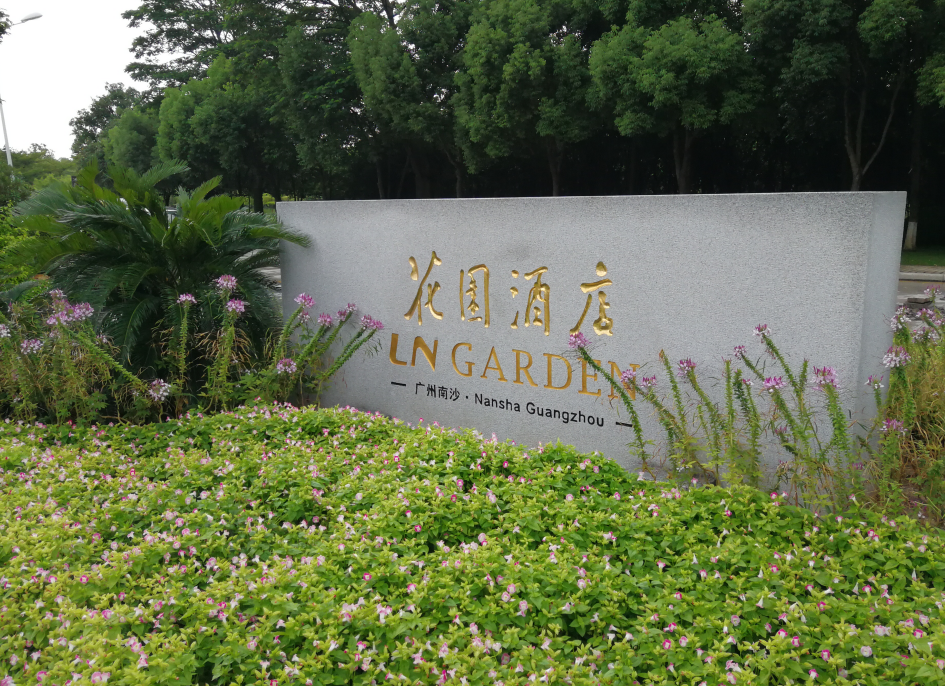
Aluminum: The Gold Standard for Long-Lasting Outdoor Signage
Corrosion resistance and structural integrity in high-wind, thermal-extreme environments
The natural oxide layer that forms on aluminum surfaces gives it amazing protection against corrosion, even when exposed to harsh coastal conditions. Coastal areas typically see corrosion rates somewhere between 0.03 and 4 micrometers per year. What really stands out is how strong aluminum remains despite being lightweight. Structures made from it stay stable even when wind speeds exceed 100 miles per hour. Plus, aluminum conducts heat pretty well at around 200 watts per meter Kelvin, so it distributes heat evenly throughout both freezing cold (-40 degrees Celsius) and sweltering hot (+80 degrees Celsius) weather conditions. Tests have shown that signs made from aluminum maintain their shape remarkably well after going through 5,000 temperature changes. Steel signs tend to crack under similar circumstances. When we factor in how resistant aluminum is to wear and tear over time, it becomes clear why most professionals consider it the gold standard for creating long lasting outdoor signs that remain readable no matter what Mother Nature throws at them.
Anodized vs. powder-coated finishes: UV resistance and maintenance trade-offs for outdoor signage
The choice of finish has a major impact on how well something performs over time. Anodizing creates a protective layer on aluminum through an electrochemical process, forming microscopic crystals that block around 85% of harmful UV rays. This helps keep colors looking fresh for at least 15 years without needing any kind of upkeep. The downside? There aren't many color choices available. On the flip side, powder coating gives designers much more freedom with aesthetics, offering over 200 different shades applied using static electricity and special polymer materials. However, field testing indicates most powder coated signs need some sort of repair work between 8 to 12 years when exposed to intense sunlight. When signs start showing their age, getting them redone costs anywhere from $300 to $600 each, which ends up being about 40% more expensive than simply maintaining an anodized surface during that same timeframe.
Dibond and Composite Panels: Strength, Flatness, and Real-World Weather Endurance
Thermal cycling performance (–40°C to +80°C) and core–skin adhesion reliability
Aluminum composite panels, or ACPs as they're often called, work really well in places where temperatures swing wildly because of how they're built. Basically, these panels have two thin layers of aluminum stuck together around a middle layer made from polymer material. What makes them special is that all three parts expand and contract at similar rates when temperatures change between minus 40 degrees Celsius and plus 80 degrees. This keeps the panel flat without any warping issues over time. Some independent tests have shown that after going through about 1,000 heating and cooling cycles, these panels still maintain more than 95 percent of their original bond strength. That means there's almost no chance of the layers coming apart, which happens quite often with outdoor signs placed in harsh environments like deserts or mountain areas. The polymer center actually soaks up the impact forces, while the outer aluminum layers stand firm against bending or breaking. Together, this combination creates something that stays strong and stable even when subjected to those daily temperature changes we see everywhere.
12-year coastal Florida case study: Durability validation for municipal outdoor signage
A 12-year longitudinal study of 150+ municipal signs in coastal Florida validated ACP performance under real-world corrosive stressors—including hurricane-force winds, persistent salt spray, and annual humidity exceeding 98%. Results showed:
- Zero structural failures: No warping, buckling, or layer separation, even under UV indices above 11
- Superior color retention: 85% versus the industry average of 60% for non-composite alternatives
- Lower lifetime cost: 40% reduced maintenance spend versus steel signage after salt exposure
This field-proven durability makes ACPs a high-confidence choice for municipalities prioritizing resilience in aggressive marine environments.
Plastic Substrates: PVC, Sintra, and HDPE for Cost-Effective Outdoor Signage
Hydrolytic degradation and freeze-thaw resilience in humid climates
Materials like PVC, Sintra (which is basically expanded PVC), and HDPE don't soak up much moisture, so they work well in damp environments where other stuff starts breaking down from water exposure. HDPE has this nice property at the molecular level that lets it handle those constant freeze-thaw situations without developing cracks. Regular old PVC needs special UV protection formulas just to stay flexible when temperatures drop below -20°C though. Out near the coast? HDPE lasts about 40 percent longer against salt spray damage compared to regular PVC that hasn't been coated. Makes sense why so many contractors choose it for projects along shorelines where both cost and durability matter.
Environmental impact comparison: Recyclability and lifecycle considerations for outdoor signage
From a sustainability perspective, HDPE leads among plastic substrates: it's widely recyclable, with 30% of new signage incorporating post-consumer HDPE. Lifecycle analysis supports this advantage:
| Material | Avg. Lifespan | Recyclability | Carbon Footprint Reduction vs. Virgin Material |
|---|---|---|---|
| HDPE | 5–7 years | High | 25% |
| PVC | 3–5 years | Moderate | 15% |
Though Sintra panels—particularly thicker, UV-optimized variants—extend service life in high-UV settings, HDPE remains the preferred option for circular economy integration and lower embodied carbon.
Acrylic Sign Faces: Clarity, UV Stability, and Embrittlement Management
Cast vs. extruded acrylic: 10-year yellowing index (YI) and impact resistance under UV exposure
How well acrylic performs really depends on how it was made. Cast acrylic gets produced slowly with careful monomer polymerization, which gives it better optical stability. After sitting out in UV light for a decade, cast acrylic usually shows a yellowing index that's around 30 to 50 percent lower compared to extruded versions. The way molecules line up in cast acrylic makes it less prone to getting brittle too. Even after going through lots of temperature changes, it keeps most of its impact strength, holding onto about 85% of what it originally had. Extruded acrylic tells a different story though. Made quickly under high pressure creates internal stress points inside the material. These stress points make the acrylic yellow faster and lose toughness quicker, sometimes up to 40% faster when exposed to harsh weather conditions. That means signs made from extruded acrylic might crack more easily in places where hail storms hit regularly or winds blow hard consistently. When businesses need top quality outdoor signs that stay clear and strong for years, cast acrylic just makes sense as the go-to option.
FAQ
What makes aluminum the preferred choice for outdoor signage?
Aluminum is favored for its corrosion resistance, structural integrity, and ability to retain its shape through extreme weather conditions, making it a durable option for outdoor signage.
How do anodized and powder-coated finishes compare for UV resistance?
Anodized finishes block about 85% of harmful UV rays and maintain color for at least 15 years with minimal upkeep, whereas powder-coated finishes offer more color options, but may require repairs between 8 to 12 years.
What are the main benefits of using ACPs for outdoor signage?
ACPs offer excellent durability, flatness, and resistance to weather conditions, as proven by a 12-year study showing no structural failures and superior color retention in coastal environments.
How does HDPE compare to PVC in terms of environmental impact and durability?
HDPE is highly recyclable, has a longer lifespan, and offers better resistance to salt spray compared to PVC, which requires special coatings for UV protection.
Why choose cast acrylic over extruded acrylic for outdoor signs?
Cast acrylic offers better optical stability, lower yellowing index, and retains impact strength better under UV exposure compared to extruded acrylic.