
 EN
EN
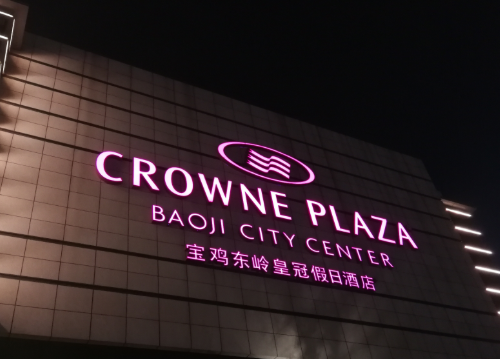
In the bustling world of commercial signage, an LED sign acts as the silent ambassador for your business. It is often the very first interaction a potential customer has with your brand. However, there is a common pitfall that many business owners overlook: keeping the display at a fixed brightness level regardless of the surrounding environment. If your signage remains at full intensity under the midnight moon, or barely visible during a bright summer noon, you are not just wasting energy—you are actively undermining your brand's professional image. Mastering the art of adjusting your LED sign brightness is a critical skill that balances visibility, energy efficiency, and overall community impact.
The Engineering Logic Behind Ambient Light Sensing
Modern commercial displays rely heavily on ambient light sensors to communicate effectively with the surrounding world. These compact yet sophisticated sensors measure the intensity of natural light in real-time and provide immediate feedback to the controller. Think of this as a nervous system for your display. During a bright, sun-drenched afternoon, the LED sign automatically boosts its brightness to overcome harsh glare, ensuring your message remains crystal clear. As dusk settles or the sky turns cloudy, the system subtly dims the output. This automated, intelligent process is far more than a luxury; it is a vital engineering safeguard that ensures your communication remains sharp without causing visual discomfort to passersby or creating a nuisance for nearby residents.
Maximizing Business Value and Meeting Regulatory Standards
Beyond the obvious visual impact, smart brightness management serves as a robust tool for long-term operational efficiency. Running an LED sign at its peak intensity around the clock places immense thermal stress on the hardware, which significantly accelerates the degradation of internal modules. By dynamically reducing output during late hours, businesses can extend the functional lifespan of their investment by thousands of hours, effectively slashing maintenance costs. Furthermore, as urban areas implement stricter regulations regarding light pollution, automated dimming ensures that your business remains perfectly compliant. This proactive approach helps avoid costly municipal fines while cementing your reputation as a forward-thinking, responsible corporate entity that respects the local environment.
Practical Strategies for Effective Brightness Management
When it comes to managing outdoor signage, there are typically two ways to approach brightness: scheduled adjustments and sensor-based automation. Scheduling is highly effective for stable environments where the sunrise and sunset times are predictable. However, for outdoor displays facing rapidly changing weather patterns, relying solely on a clock is rarely enough. Our observation of successful deployments suggests that a hybrid approach—where sensors set the baseline and manual overrides are available for unique local events—provides the highest degree of reliability. By transitioning from static illumination to a responsive display, you turn your LED sign into a dynamic asset that adapts to the world rather than fighting against it.
Elevating Brand Professionalism Through Visual Harmony
Nothing damages a brand’s credibility quite like an LED sign that comes across as "blindingly bright" in the middle of the night or looks "washed out" during the peak of the day. Such glaring inconsistencies signal a lack of attention to detail that customers subconsciously pick up on. By implementing precise, intelligent brightness controls, you ensure that your message is always presented with the ideal contrast. This attention to detail speaks volumes about your commitment to quality. It demonstrates that your business values the customer experience and cares about the aesthetic harmony of the streetscape, distinguishing your brand from competitors who treat their signage as an afterthought.
The Role of Quality Manufacturing in Signage Longevity
Achieving this level of sophisticated automation requires more than just decent software; it demands high-quality, resilient hardware components and robust control architectures. A well-designed LED sign is not just about the LEDs themselves but the integrated system that supports them through years of extreme weather. ZigoSign stands out in this sector by specializing in advanced signage solutions that embed these smart features directly into the core design process. With a proven commitment to engineering excellence and a highly efficient, responsive supply chain, they ensure that every product is built to handle the unpredictable nature of real-world installation environments.
Building a Lasting Impression with Smart Technology
As the smart city landscape continues to evolve, the demand for efficient, intelligent signage will only continue to rise. Investing in hardware that supports seamless brightness transitions is no longer just a technical upgrade; it is a strategic business decision. By prioritizing intelligent controls, businesses protect their financial investment and ensure their brand presence remains vibrant, day or night. Partnering with industry leaders like ZigoSign provides the structural support needed to keep displays operating at peak performance for years to come. Ultimately, a perfectly lit sign is more than just light—it is a clear, consistent, and professional declaration of brand identity that commands attention in any lighting condition.
Table of Contents
- The Engineering Logic Behind Ambient Light Sensing
- Maximizing Business Value and Meeting Regulatory Standards
- Practical Strategies for Effective Brightness Management
- Elevating Brand Professionalism Through Visual Harmony
- The Role of Quality Manufacturing in Signage Longevity
- Building a Lasting Impression with Smart Technology