
 EN
EN
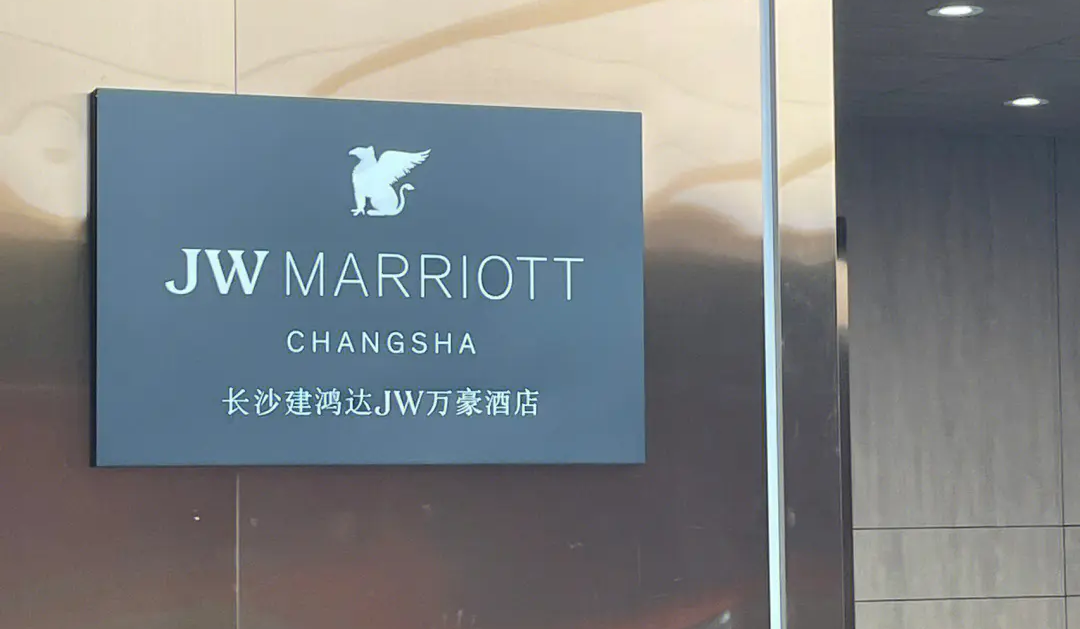
The problem most hotel corridors never solve
Walk down a hotel corridor at 2 a.m. and notice how many door signs and directory boards are glowing far brighter than they need to. The glare hits the eyes before the information reaches the brain. Guests squint. Sleep quality, already fragile in an unfamiliar environment, takes another hit. The hotel pays for that electricity around the clock and gets nothing useful in return.
A hotel sign inside a property serves two contradictory purposes. It must be visible enough to guide guests, especially in an emergency. It must not disturb the ambient darkness that a restful indoor environment requires. Getting both right is the core challenge of silent lighting design. It starts with recognizing that "bright" and "visible" are not the same thing. A sign with 200 lux aimed directly at the retina is blinding. That same 200 lux diffused across a larger surface with controlled beam spread reads as gentle and informative.
Color temperature and the circadian cost of poor lighting
Indoor hotel signage operates 24 hours a day, so the color temperature decision has cumulative biological effects. CCT above 4000K contains a significant blue-light component in the 460 to 480 nanometer range, which suppresses melatonin. A study in the Journal of Clinical Sleep Medicine (2021) found that hotel guests exposed to corridor lighting above 3500K reported a 27 percent higher rate of sleep disturbance compared to those on floors with 2700K ambient and signage lighting.
For hotel sign applications, the sweet spot sits between 2700K and 3000K. This range provides enough visual contrast for legibility without the physiological cost. An additional proven technique uses amber LEDs at 590 nanometers for late-night mode. The signage controller shifts to a warmer spectrum after 10 p.m. and returns to warm white at 6 a.m. The shift is imperceptible to most guests but measurably reduces the blue-light dose during the critical sleep window.
Beam angle control: the geometry of keeping light where it belongs
Light pollution in indoor spaces is mostly a beam control problem, not a brightness problem. A standard LED module with a 120-degree beam angle sends light in a near-hemispherical pattern. In a narrow corridor, roughly 40 percent of that light hits the ceiling, floor, and opposite wall rather than the guest's direct line of sight. That scattered light still registers peripherally and contributes to ambient brightness that erodes nighttime calm.
Controlling the beam angle changes everything. A 30-degree or 45-degree lens optic focuses output onto the sign face, minimizing spill. Combined with a recessed mounting depth of 15 to 25 millimeters and a louvered grid in front of the LED array, the effective glare rating can drop from UGR 22 to below 16. The light source becomes invisible while the sign stays readable. That is the definition of silent lighting: it does its job without announcing its presence.
| Lighting Design Factor | Typical Hotel Corridor | Silent Lighting Approach | Guest Impact |
|---|---|---|---|
| CCT (Correlated Color Temperature) | 4000K-5000K | 2700K-3000K with amber night mode | 27% fewer sleep disturbance reports (JCSM, 2021) |
| Beam angle | 120 degrees (flood) | 30-45 degrees (controlled spot) | Eliminates ceiling and floor spill |
| Surface luminance | 150-300 cd/m² | 40-80 cd/m² | Meets ANSI/IES RP-28 legibility requirements |
| Dimming protocol | None or manual | DALI/0-10V with astronomical clock | Auto-dimming to 10-20% during 10 p.m. to 6 a.m. |
| Glare control | None | Louver and recessed depth | UGR reduced from 22+ to below 16 |
Diffuser and lens selection: the unsung heroes of visual comfort
The diffuser sitting between the LED array and the guest's eye determines more about perceived light quality than the LED chip specification. Opal acrylic with 60 to 70 percent light transmission provides a soft, even glow but sacrifices efficiency. Clear prismatic diffusers transmit over 90 percent but create hotspots and visible pixel patterns.
Micro-prismatic film, originally developed for LCD backlights, has emerged as a compelling middle ground for indoor hotel signage. It bends light at precise angles through microscopic structures, achieving uniform surface brightness with transmission above 85 percent. The film adds roughly 15 to 20 percent to the diffuser cost but eliminates the need for thicker opal layers that increase profile depth. For projects where every millimeter of wall protrusion matters, the trade-off is worth considering.
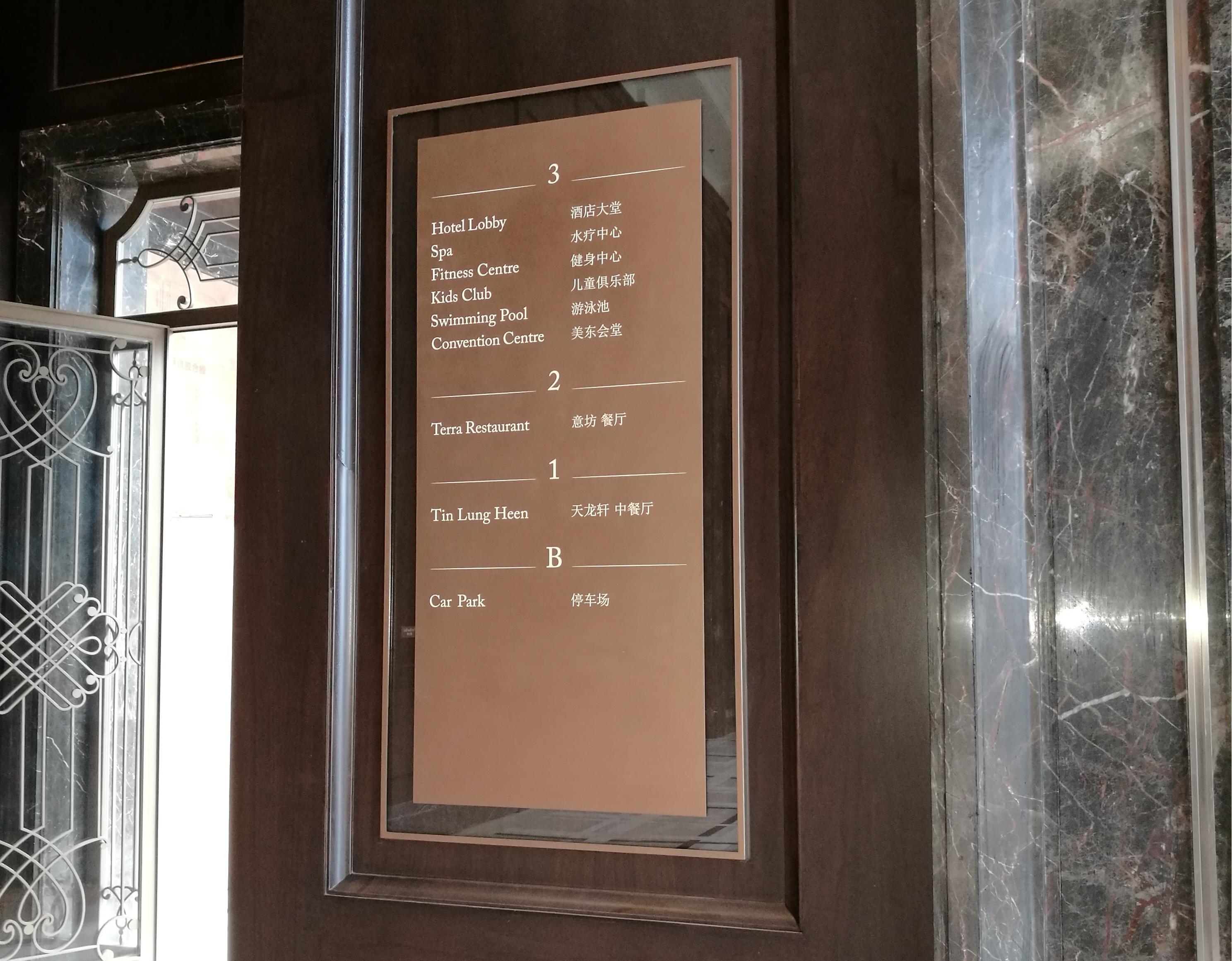
A renovation that redefined "quiet luxury" for hotel wayfinding
A boutique hotel group in Kyoto overhauled its corridor signage in 2023 after guest surveys flagged "harsh hallway lighting" as a pain point. The existing backlit acrylic signs used 5000K LED strips with no dimming and 120-degree flood beams. Nighttime corridor illuminance averaged 85 lux, roughly three times the WELL Building Standard maximum for sleep environments.
The redesign used 2700K edge-lit panels with micro-prismatic diffusers and DALI-addressable drivers tied to a central control system. Signage brightness followed a circadian schedule: 100 percent from 6 a.m. to 8 p.m., 40 percent from 8 p.m. to 10 p.m., and 15 percent from 10 p.m. to 6 a.m. Post-renovation nighttime corridor illuminance dropped to 18 lux while sign legibility improved, because the focused beam angle meant less light was needed for better visibility. Guest satisfaction on the "room environment and sleep quality" metric rose by 22 points the following quarter.
Manufacturers that integrate lighting design into the product engineering phase offer a clear operational advantage. ZIGO approaches each hotel sign project with in-house optical design and thermal simulation, ensuring the final product meets both aesthetic goals and technical requirements like UGR ceilings and code-compliant luminance levels. For hotel operators who have seen beautifully designed signs turn into glare machines after installation, that engineering depth is the difference between a sign that photographs well and one that actually works.