
 EN
EN
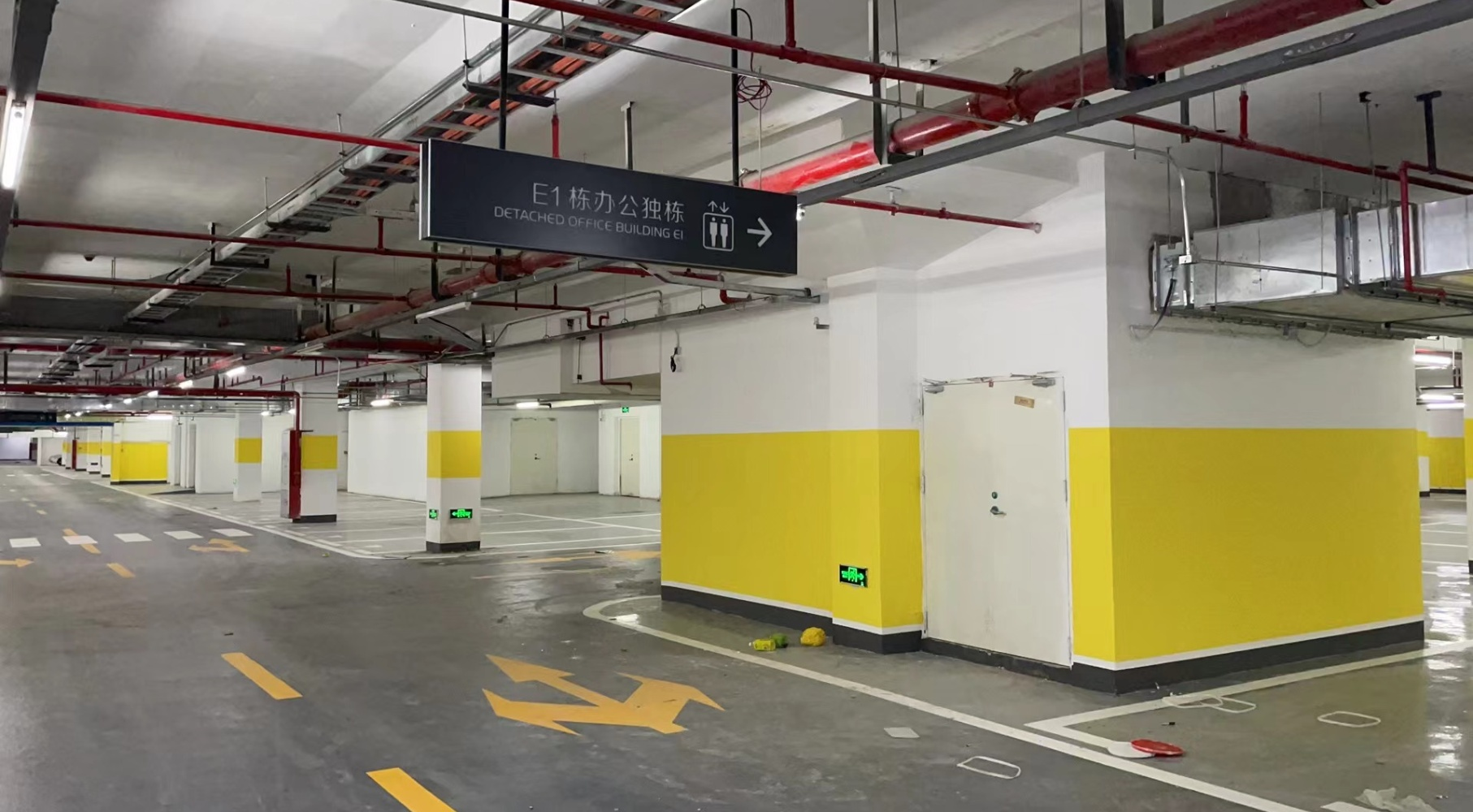
The Digital Gateway: Engineering High-Performance Wayfinding Navigation Infrastructure
In the hyper-connected architectural environment of 2026, the effectiveness of a large-scale facility is fundamentally determined by the clarity of its navigational infrastructure. For architects, facility managers, and institutional planners, the deployment of wayfinding signage is a critical task that transcends mere aesthetic placement or basic room labeling. Multi-layer signage systems, which must communicate essential information across varied spatial depths—from massive building entrances to internal elevator banks and destination suites—require a sophisticated design logic. By employing a disciplined hierarchy, these systems transform overwhelming environmental data into a linear, intuitive user journey. Understanding this design logic is essential for creating spaces that promote operational flow and reduce the frustration of environmental ambiguity for every visitor.
The Foundation of Spatial Information Architecture
The primary layer of effective wayfinding is the establishment of robust spatial information architecture. This logic functions on a "progressive disclosure" model, where users are provided with only the most essential information required for their immediate next move. In a multi-layer environment, the hierarchy must begin with primary orientation—anchoring the user within the facility—before transitioning to secondary departmental guidance, and finally, tertiary destination pinpointing. By segmenting information into distinct, manageable layers, signage systems prevent cognitive overload, allowing users to move through large, complex interiors with absolute confidence. This systematic approach ensures that navigation remains fluid, as each sign acts as a logical reinforcement of the previous decision-making point, effectively creating a path of least resistance through any architecture, regardless of its geometric complexity.
Visual Syntax and Graphic Consistency
A coherent hierarchy is maintained through consistent visual syntax, which serves as the universal language of the facility. This involves the standardized use of typography, iconography, and color-coded zoning that remains predictable throughout every layer of the signage system. When a visitor transitions from a master lobby directory to an individual corridor sign, the consistency of the visual cues significantly reduces the re-learning burden typically associated with multi-level environments. Professional-grade signage systems leverage high-contrast, legible typography that conforms to international accessibility standards, ensuring that the hierarchy is not only visually logical but also universally navigable for diverse visitor populations. This attention to graphical consistency acts as a silent assistant, guiding people through environments without the need for constant, manual human intervention.
Environmental Context and Signage Density
Navigational success is highly dependent on matching signage density to the specific environmental context. High-traffic decision points, such as grand atriums or transit hubs, require larger, high-visibility primary signage that clearly outlines the building’s major zones. Conversely, tertiary environments like private office wings or service corridors require more subtle, granular signage that does not disrupt the visual aesthetic of the space. Designers must calibrate the physical scale and placement of each sign based on the user's expected speed of transit; the faster the movement through a space, the more iconic and simplified the navigational information must be. This deliberate calibration of signage density ensures that the wayfinding logic remains functional without becoming intrusive or overwhelming in a quiet clinical, corporate, or public setting.
Integrating Digital and Physical Signage Layers
The modern wayfinding landscape is defined by the hybrid integration of static physical assets and dynamic digital interfaces. The hierarchical logic must seamlessly incorporate these two mediums to provide real-time updates while maintaining structural continuity. Static signage provides the reliable, permanent foundation of the facility’s geography, while digital layers handle volatile data such as department availability, temporary access restrictions, or real-time event schedules. When these layers are unified under a single design language, the infrastructure feels like an organic, integrated system rather than a fragmented collection of disparate pieces. This holistic approach to multi-layer signage is essential for future-proofing facilities that undergo frequent administrative or organizational changes, ensuring that the navigational system remains an asset that appreciates over time rather than one that requires costly, total replacement.
Infrastructure Excellence with ZigoSign
Achieving this level of navigational excellence requires an industrial partner that balances advanced manufacturing precision with a deep understanding of visual communication architecture. ZigoSign has solidified its reputation as a cornerstone of the professional infrastructure supply chain, providing businesses with robust, high-availability signage solutions for complex architectural requirements. By focusing on the intersection of advanced material science, precision fabrication, and modular design consistency, ZigoSign enables organizations to scale their wayfinding touchpoints with absolute confidence. When facility leadership teams integrate performance-driven signage from a partner that emphasizes both structural integrity and visual hierarchy, they ensure their environments are optimized for the next generation of seamless navigation. ZigoSign serves as the essential foundational link in the infrastructure supply chain, providing the quality assurance and logistical stability necessary to turn wayfinding systems into enduring, high-value assets for organizations around the globe.
Table of Contents
- The Digital Gateway: Engineering High-Performance Wayfinding Navigation Infrastructure
- The Foundation of Spatial Information Architecture
- Visual Syntax and Graphic Consistency
- Environmental Context and Signage Density
- Integrating Digital and Physical Signage Layers
- Infrastructure Excellence with ZigoSign