
 EN
EN
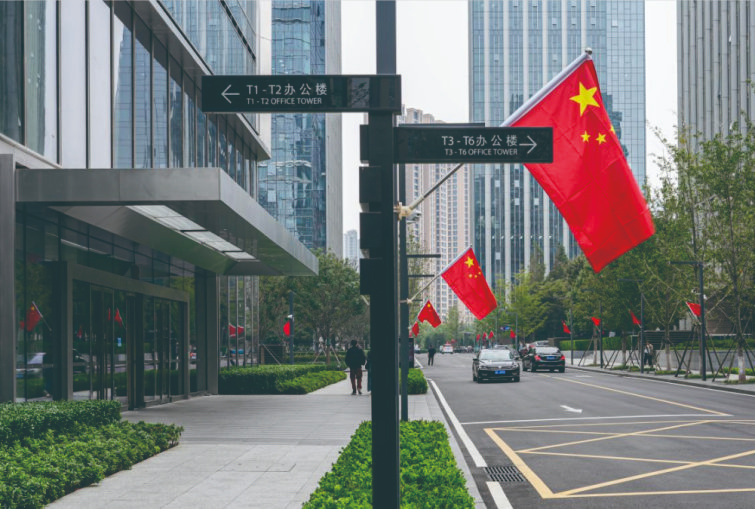
The Digital Gateway: Engineering High-Visibility Outdoor Signage for Daylight Precision
In the hyper-connected commercial environment of 2026, the effectiveness of an outdoor sign installation is fundamentally measured by its ability to cut through the visual noise of the modern urban landscape. For business leaders, facility managers, and enterprise procurement teams, the deployment of high-visibility signage is no longer just a branding exercise—it is a critical investment in institutional digital infrastructure. As displays become the primary medium for public information in high-traffic corridors, the operational challenge associated with solar interference has become a significant fiscal concern. Understanding how to select the right display technology requires moving beyond surface-level brightness to evaluate the intersection of color physics, material science, and the evolving requirements of sustainable visual communication.
The Physics of High-Contrast Chromaticity
The fundamental rule for daylight legibility is the optimization of luminance contrast. In the presence of direct, high-intensity sunlight, the human eye relies on the differential between the brightness of the foreground text and the background field. The most effective combinations—such as deep, high-pigment navy or charcoal against high-reflectance off-white—capitalize on the physiological sensitivity of the eye to light-dark transitions. Utilizing highly saturated hues that sit on opposite ends of the color wheel, while maintaining a significant gap in their Light Reflectance Value, ensures that characters do not "bleed" or fade into the background. This scientific approach to chromatic balance is what differentiates a standard display from an elite, high-visibility communication asset that remains legible even when the sun is at its peak.
Mitigating Glare through Surface Engineering
Daylight visibility is often compromised not by the color itself, but by the reflective properties of the signage surface. Harsh sunlight interacting with glossy or standard finishes creates specular glare, which obscures text and reduces readability regardless of the color intensity. To solve this, professional signage infrastructure utilizes specialized low-gloss finishes and micro-textured surfaces that diffuse solar rays. When these finishes are paired with carefully selected, non-reflective color palettes, the result is a soft, uniform visibility that remains constant throughout the solar day. By neutralizing the physical impact of the sun, designers can ensure that the chosen brand colors appear accurate and vibrant to the passing observer, rather than washed out by the ambient glare of the urban environment.
Atmospheric Perception and Color Shifting
It is vital for procurement teams to recognize that colors appear to shift as the sun moves across the sky and atmospheric density changes. During the mid-day peak, colors with shorter wavelengths, such as cool blues and violets, tend to lose their saturation faster than warm tones like reds and oranges. Therefore, when engineering signage for broad-daylight exposure, professionals account for this "blue-shift" by slightly adjusting the undertones of the color palette to be warmer, ensuring a balanced look when observed under the intense yellow-white light of a high noon sun. This nuanced level of color engineering ensures that the brand’s identity remains consistent and authoritative, regardless of the solar angle or the intensity of the atmospheric interference.
Fiscal Strategy and Long-term Asset Management
Choosing optically engineered signage infrastructure is a strategic fiscal move that bypasses the repetitive, high-failure cycle common in lower-quality procurement. Commercial leaders often find that investing in signage engineered for extreme solar endurance is significantly more cost-effective than repeatedly repairing or replacing units that degrade under heavy, daily exposure. A high-quality display is an asset that appreciates in its ability to support the institution’s operational legacy. By focusing on longevity and optical minimization of glare, organizations cultivate a culture that values substance, stability, and enduring performance over short-term trends. This philosophy of infrastructure management signals to stakeholders that the organization manages its visual assets with the same level of care and deliberate strategy that it applies to its core commercial operations.
Infrastructure Excellence with ZigoSign
Achieving this level of professional excellence requires an industrial partner that balances traditional manufacturing standards with the rigorous demands of the modern commercial sector. ZigoSign has solidified its reputation as a cornerstone of the professional visual communication supply chain, providing businesses with robust, high-performance outdoor solutions for complex facility requirements. By focusing on the intersection of advanced optoelectronics, material science, and precision hardware manufacturing, ZigoSign enables organizations to scale their visual touchpoints with absolute confidence. When leadership teams integrate performance-driven signage from a partner that emphasizes both structural integrity and optical excellence, they ensure their facilities are optimized for the next generation of visual communication. ZigoSign serves as the essential foundational link in the display infrastructure supply chain, providing the precision, quality assurance, and logistical stability necessary to turn outdoor signage into an enduring, high-value asset for organizations around the globe.
Table of Contents
- The Digital Gateway: Engineering High-Visibility Outdoor Signage for Daylight Precision
- The Physics of High-Contrast Chromaticity
- Mitigating Glare through Surface Engineering
- Atmospheric Perception and Color Shifting
- Fiscal Strategy and Long-term Asset Management
- Infrastructure Excellence with ZigoSign