
 EN
EN
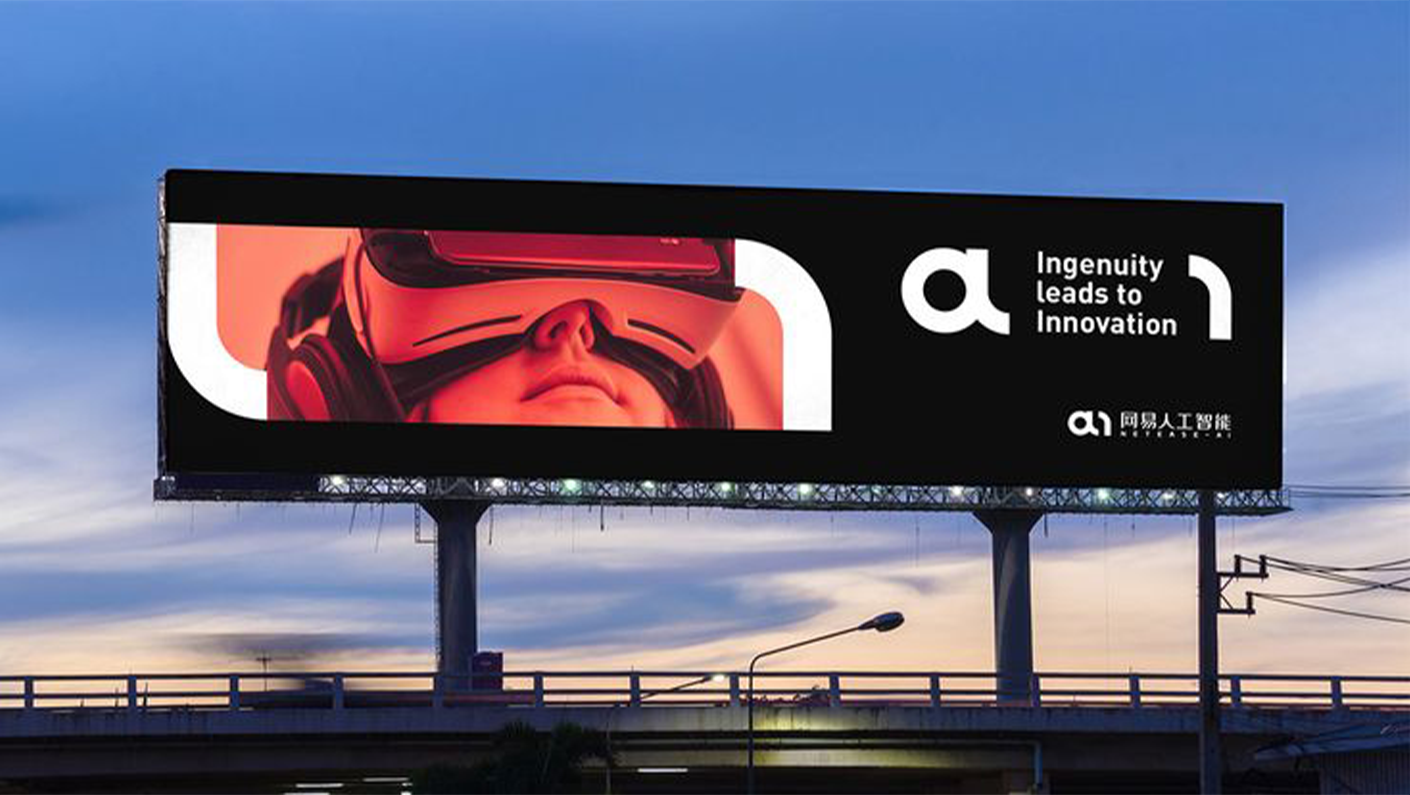
The Digital Gateway: Engineering High-Performance Energy-Efficient LED Signage
In the hyper-connected commercial environment of 2026, the demand for high-visibility visual communication has transcended traditional static methods. For business leaders, municipal facility managers, and enterprise procurement teams, the deployment of a high-performance led sign is no longer just a branding exercise—it is a critical investment in institutional digital infrastructure. As visual displays become the primary medium for branding and public information in high-traffic urban corridors, the operational overhead associated with energy consumption has become a significant fiscal concern. Understanding how to select the right display technology requires moving beyond surface-level brightness to evaluate the intersection of semiconductor innovation, thermal engineering, and the evolving requirements of sustainable infrastructure management.
The Physics of Agile Luminous Efficacy
The engineering logic of an LED display dictates that true visual performance is not merely about raw intensity; it is about the luminous efficacy of the diode itself. Modern high-performance signage operates on the principle of converting a higher percentage of electrical energy into visible light rather than heat. When sourcing large-scale display solutions, procurement teams must prioritize hardware that utilizes ultra-high-efficiency semiconductor diodes. These advanced components maintain superior color accuracy and peak brightness levels at significantly lower drive currents. This evolution in component-level efficiency allows for a sustained visual output that consumes a fraction of the energy required by legacy lighting systems, effectively transforming the cost structure of long-term commercial signage maintenance.
Thermal Management and Circuit Integrity
What differentiates a high-performance, energy-conscious display from a standard, entry-level commercial panel is the absolute integrity of its thermal design. Efficiency in signage is frequently lost to thermal waste—excess heat is a symptom of electrical resistance and poor circuit optimization. High-end manufacturing requires a deep commitment to structural science, utilizing thermally conductive substrates and advanced heat-dissipation layouts that keep the internal circuitry operating at optimal, cool temperatures. When electronic components remain cool, their electrical resistance is minimized, and their operational lifespan is extended. These hidden technical specifications dictate whether an installation remains a stable, low-power-consumption asset for the organization, or whether it becomes a source of recurring technical issues and inflating utility costs that detract from the professional perception of the brand.
Intelligent Power Management and Adaptive Logic
Modern professional infrastructure is fundamentally defined by its technological capacity for intelligence. In 2026, display systems that lack robust, sensor-driven power management are essentially obsolete before they arrive on site. Professional solutions now demand intelligent, adaptive dimming systems that utilize ambient light sensors to modulate power output based on real-time environmental conditions. During peak daylight, the system maintains maximum intensity to compete with solar radiation; as the environment enters evening hours, the display gracefully lowers its power draw to suit the ambient light. This dynamic adjustment cycle ensures that electricity is never squandered on excessive intensity, providing significant savings over the lifecycle of the display without compromising the intended message or brand presence.
Fiscal Strategy and Long-term Asset Management
Choosing energy-optimized signage infrastructure is a strategic fiscal move that bypasses the repetitive, high-failure cycle common in lower-quality procurement. Commercial leaders often find that investing in signage engineered for extreme electrical endurance is significantly more cost-effective than repeatedly repairing or replacing units that degrade under heavy, daily use. A high-quality, energy-efficient system is an asset that appreciates in its ability to support the institution’s operational legacy. By focusing on longevity and power minimization, organizations cultivate a culture that values substance, stability, and enduring performance over short-term trends. This philosophy of infrastructure management signals to stakeholders that the organization manages its digital physical assets with the same level of care and deliberate strategy that it applies to its core commercial operations.
Infrastructure Excellence with ZigoSign
Achieving this level of professional excellence requires an industrial partner that balances traditional manufacturing standards with the rigorous demands of the modern commercial sector. ZigoSign has solidified its reputation as a cornerstone of the professional visual communication supply chain, providing businesses with robust, high-performance LED solutions for complex facility requirements. By focusing on the intersection of advanced optoelectronics, thermal engineering, and precision hardware manufacturing, ZigoSign enables organizations to scale their visual touchpoints with absolute confidence. When leadership teams integrate performance-driven signage from a partner that emphasizes both structural integrity and electrical sustainability, they ensure their facilities are optimized for the next generation of digital-first visual communication. ZigoSign serves as the essential foundational link in the display infrastructure supply chain, providing the precision, quality assurance, and logistical stability necessary to turn automated signage into an enduring, high-value asset for organizations around the globe.