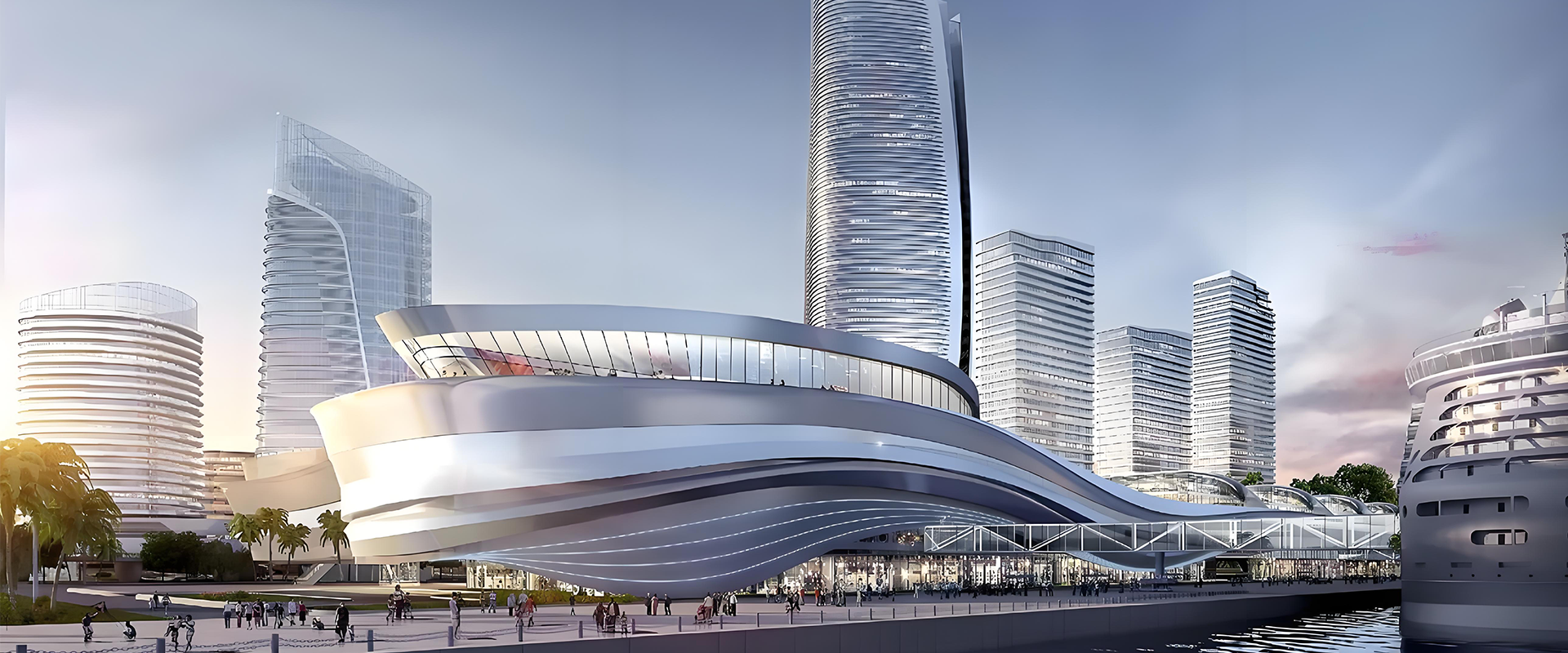
Well-designed signage in a hotel is more than wayfinding — it’s part of the guest experience, brand communication, and safety management. A clear, consistent, and maintainable wayfinding system helps guests find their way quickly, reduces front-desk interruptions, and improves emergency response. Below are field-tested, practical recommendations commonly used on hotel projects.
Define signage function and hierarchy
Classify signs into four groups: directional (entrance, lobby, elevators, parking), identification (restaurant, meeting rooms, spa), service information (hours, accessibility), and safety/regulatory (evacuation routes, fire equipment).
Prioritize visually: critical items (exits, main entrances, elevators) must be the most prominent. Place evacuation and exit signage in sightlines with high contrast and use self-luminous or backlit designs for night visibility.
Field verification: evaluate sightlines on every floor and at every corner to ensure the next directional cue is visible within a reasonable distance. Recommended walkthroughs during construction: daytime, nighttime, and peak-traffic conditions.
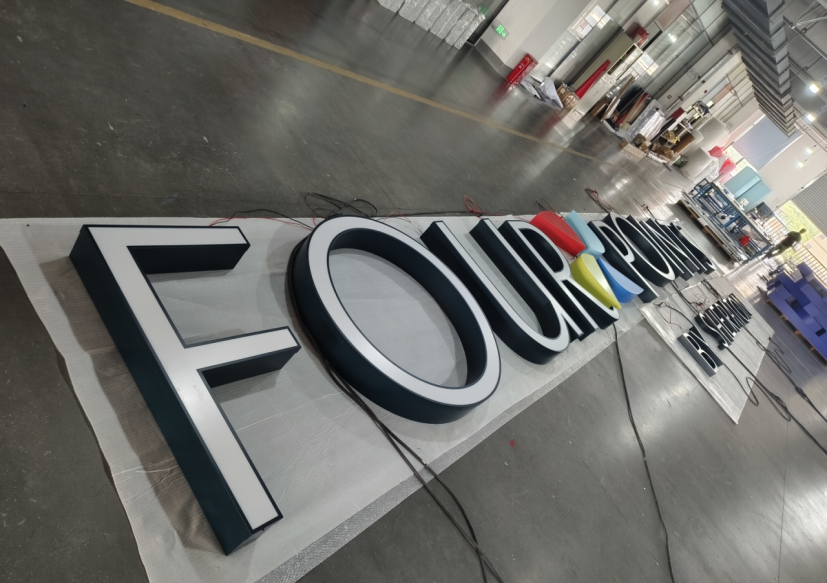
Keep brand visuals consistent — but don’t sacrifice legibility
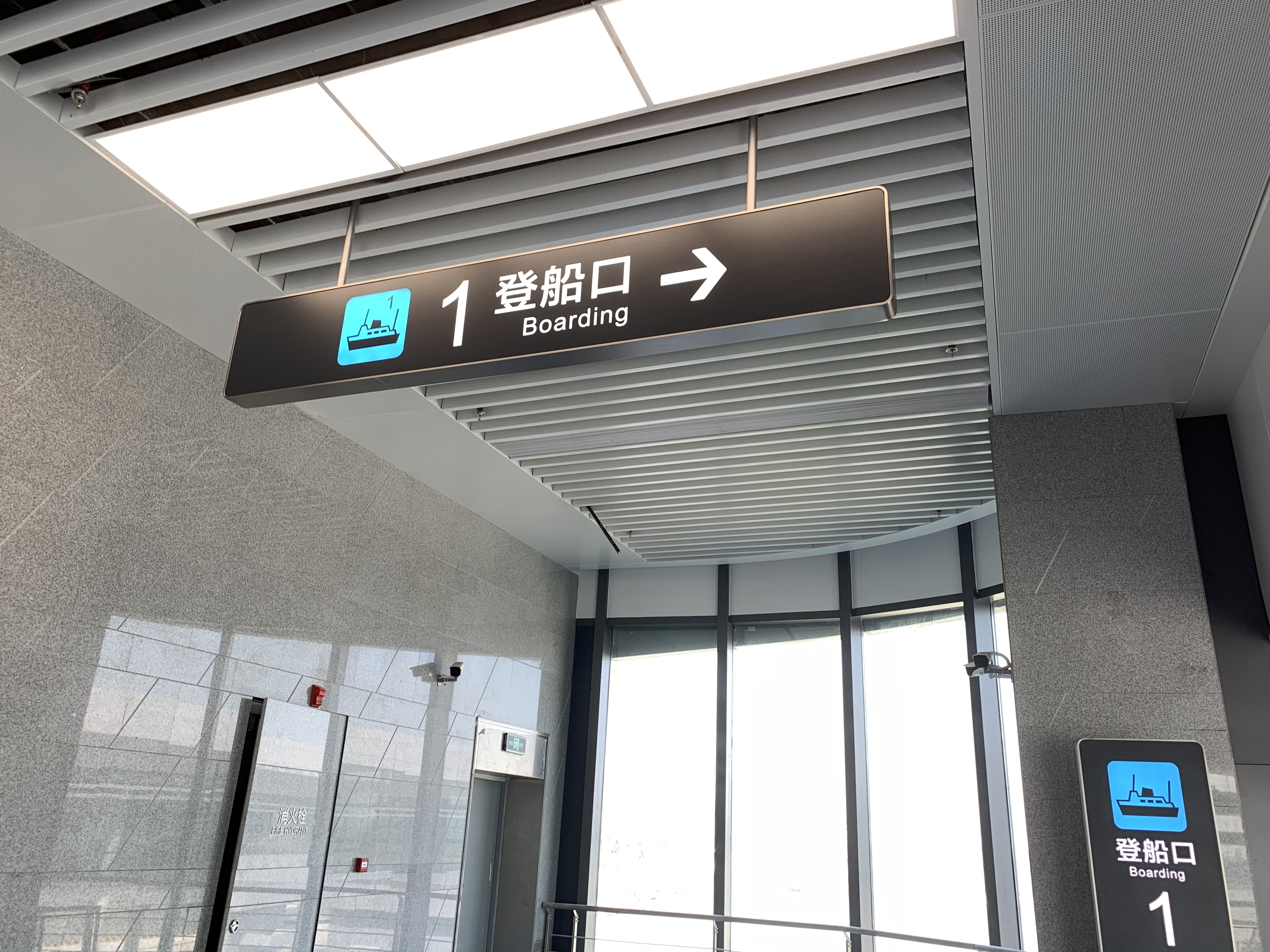
Typography and icons: use a brand-consistent sans-serif for identity elements, but increase weight and size for critical directional copy. Prefer internationally recognized pictograms and include bilingual text where needed (local language + English).
Color usage: apply brand colors for identity and decorative elements, but use high-contrast palettes (e.g., dark background with white text) for important directions. Backlit warm-white LEDs work well for nighttime legibility.
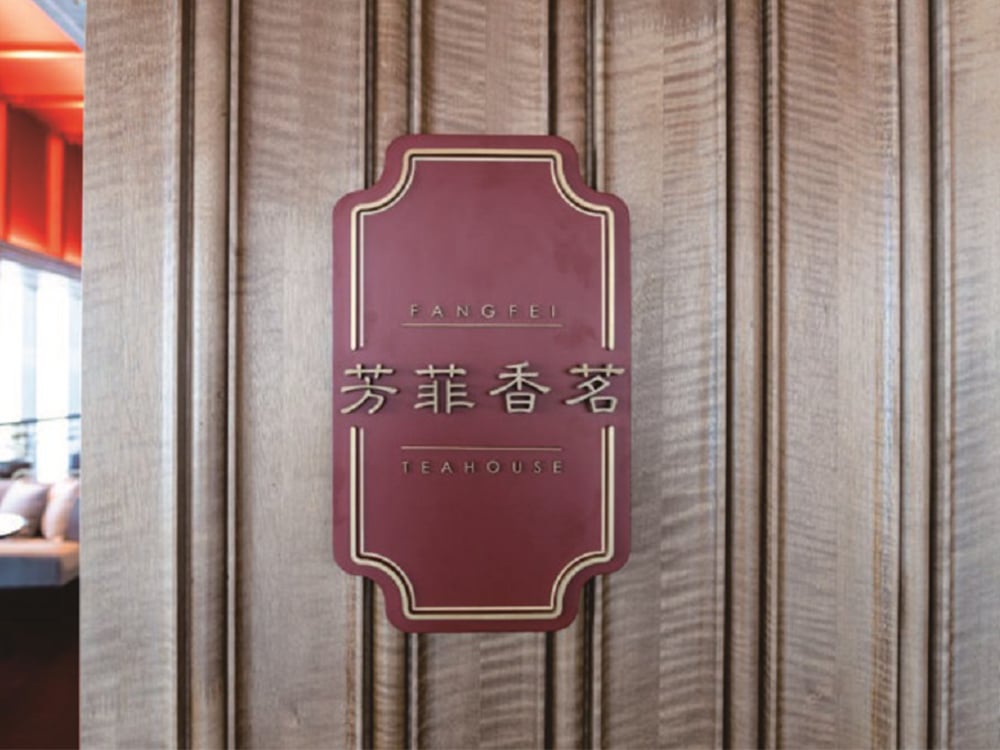
Example: on a city midscale hotel, restaurant signage used the brand’s deep green, while all exits used the standard green/white international palette to avoid confusion.
Choose materials by context
Outdoor/exposed signs: use weatherproof, UV-resistant materials such as powder-coated aluminum, outdoor-grade acrylic, or marine-grade stainless steel. Specify corrosion protection and appropriate fixings. Use high-CRI LEDs for illuminated signs.
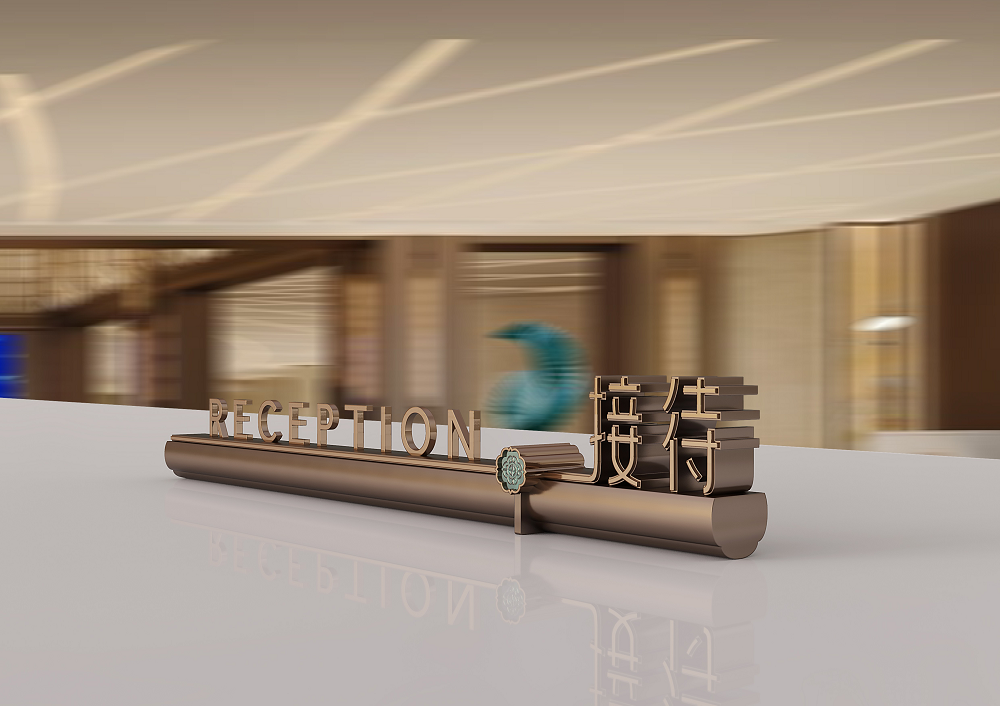
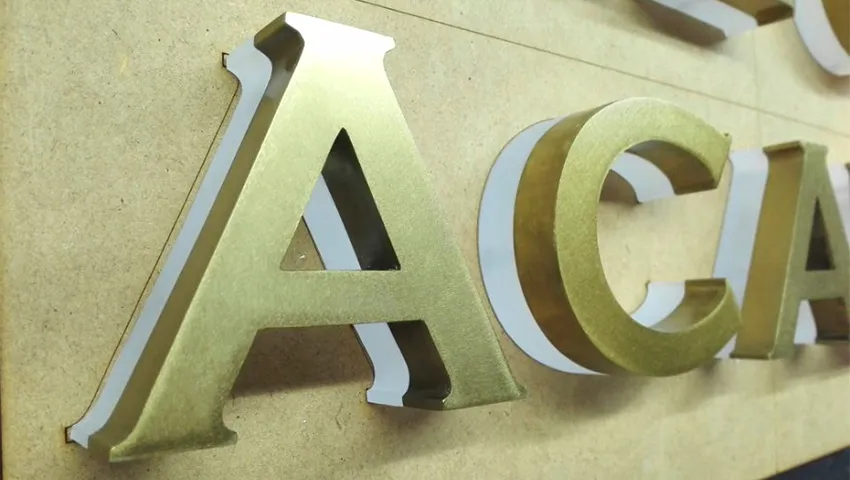
High-traffic indoor areas: choose scratch-resistant, easy-to-clean surfaces like high-density acrylic, anodized aluminum, or brushed stainless steel; consider frosted or edge-lit acrylic for premium looks.
Budget-conscious options: PVC composite or aluminum composite panels offer cost advantages but check fire ratings and yellowing tendencies over time.
Modular systems: design information panels as replaceable modules (slide-in inserts, magnetic faces) to simplify updates for hours, events, or temporary wayfinding.
Prioritize visibility and accessibility
Letter height and viewing distance: use standard heuristics — roughly every 1 inch (2.54 cm) of letter height is readable at about 10 feet (3 m). Use larger type for main directional signs in lobbies and corridors. For nighttime, target 100–200 lux on the sign plane for general wayfinding; emergency signage should be self-luminous or have independent power.
Contrast and spacing: aim for strong contrast (at least 4.5:1 for most text) and generous letter/line spacing to aid all guests, including those with low vision.
Tactile and assistive tech: provide tactile/Braille signage at key decision points and consider offering an audio-guided map via a hotel app or on-request devices for visually impaired guests.
Test, install, and maintain
Real-world testing: perform final walkthroughs simulating real guest conditions (luggage, strollers, low light) and log missing cues or unclear transitions.
Installation QC: include installation specs in the contract (material thickness, fixing types, waterproofing, fire classification) and keep an installation photo register with tag numbers for each sign.
Maintenance plan: create a routine checklist — monthly visual inspections, quarterly lighting/electrical tests, annual replacement or refurbishment cycles — and assign responsibilities and response times (e.g., replace broken signs within 24–48 hours, or deploy temporary signage immediately).
Local rules and compliance (recommended)
Regulations vary by country and city. Accessibility standards, fire safety signage, and permitted materials often differ. For projects in Malaysia, confirm requirements for ramps, tactile walking surfaces, and fire sign standards with local authorities early to avoid costly rework.
A good hotel wayfinding system is a strategic investment. Beyond matching brand aesthetics, the focus should be on whether guests can quickly see, read, and follow directions. In practice, time spent on sightline checks, prioritizing key nodes, and using modular panels for updates delivers the biggest returns in reduced guest friction and lower operational headaches.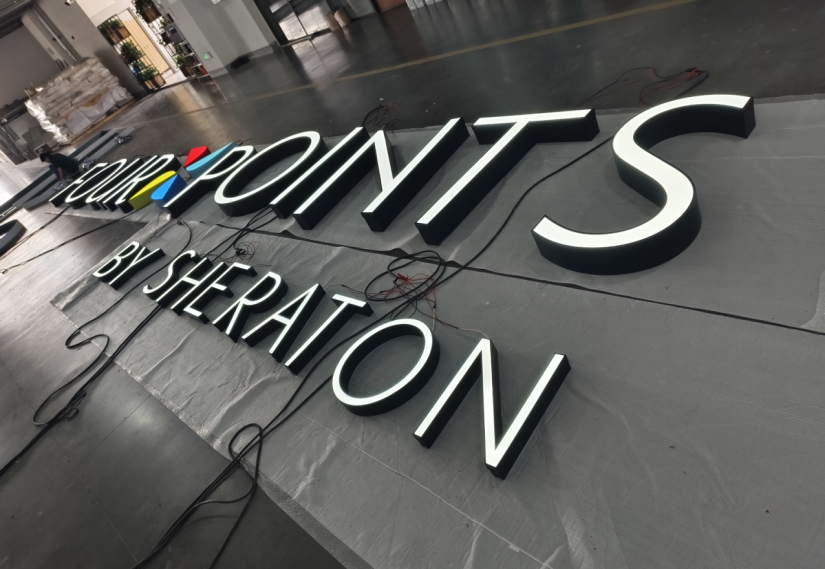
Copyright © 2025 by SHENZHEN ZIGO SIGNAGE COMPANY LIMITED Privacy policy
 EN
EN
 Hot News