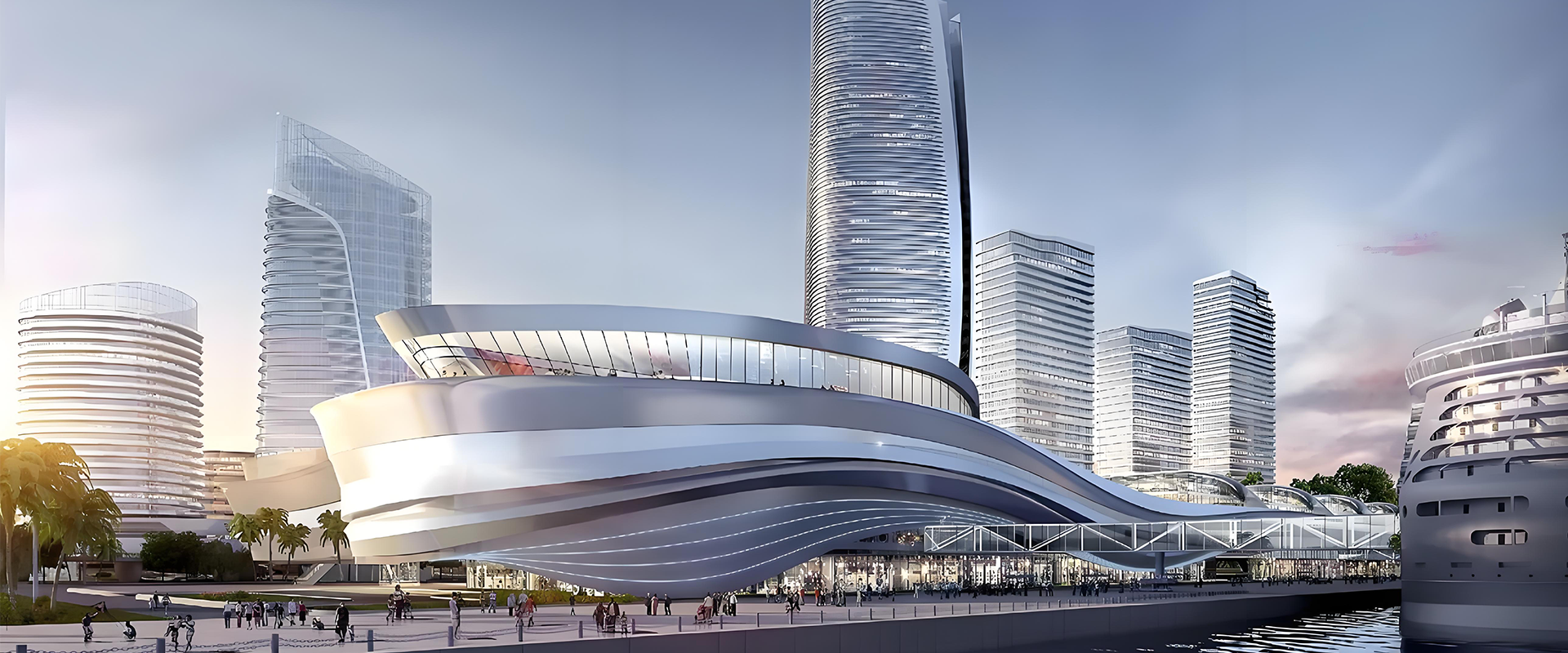
Outdoor signage faces three enemies: UV rays, rain, and salt spray. Wrong material choice means even the best design won't survive two summers.
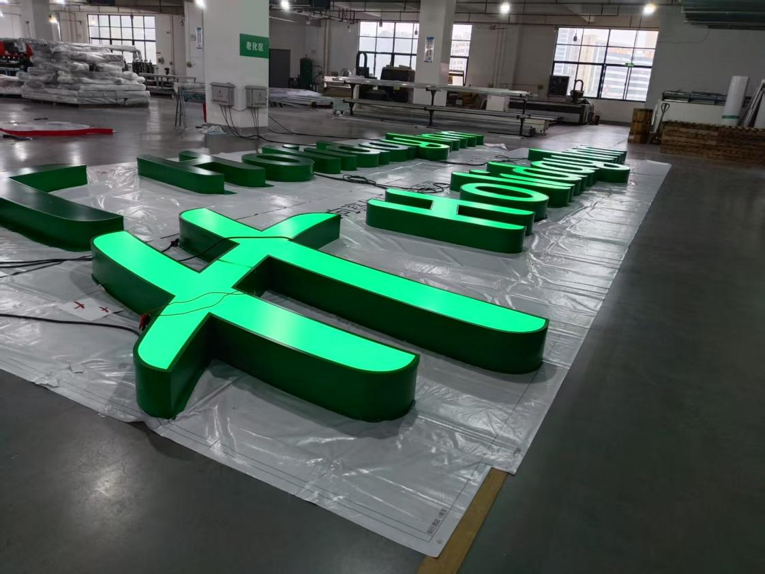
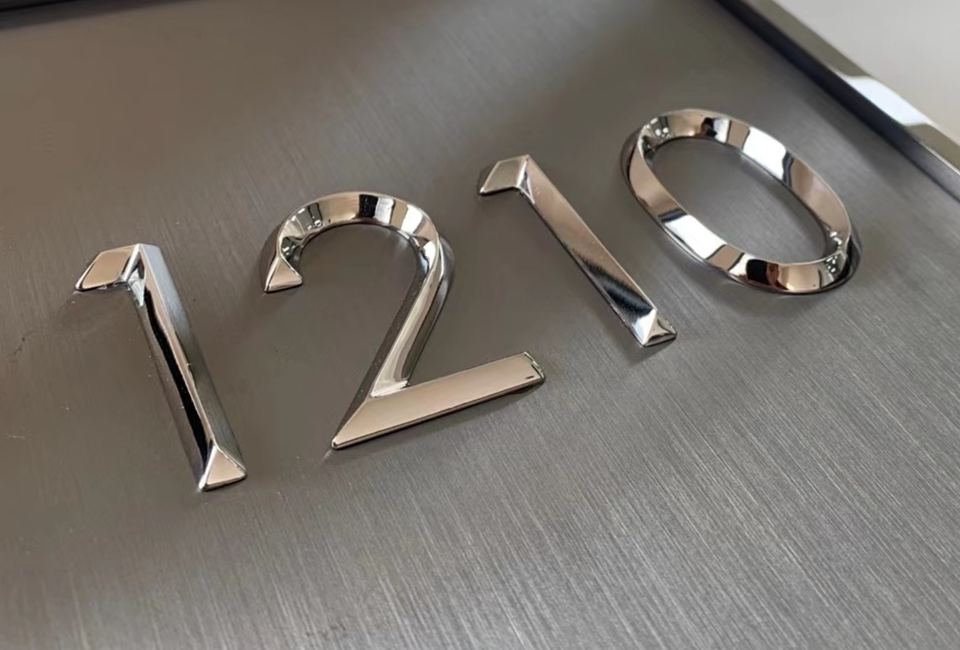
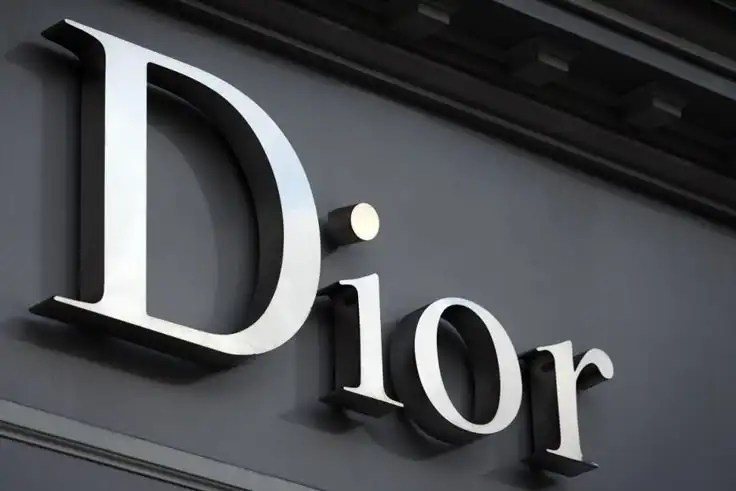
Stainless steel: For coastal outdoor projects, insist on 316L, not 304. We tested both side by side at a Shenzhen seaside project — 304 showed rust spots at 18 months while 316L stayed clean. In dry inland climates, 304 works but avoid mirror finish, which traps water marks outdoors. For interiors, brushed or electroplated finishes (antique bronze, champagne gold) deliver a more premium look.
Aluminum alloy: Lightweight and rust-proof, ideal for large exterior wall signs and rooftop illuminated letters. But it's soft — large panels warp without reinforcing ribs on the back. Start at 3mm thickness. For outdoor surface treatment, use fluorocarbon (PVDF) coating, not anodizing, which fades under UV exposure.
Acrylic: The indoor workhorse — excellent light transmission, stable color, easy to fabricate. But outdoors it yellows and becomes brittle in about three years. If you must use it outside, choose UV-resistant grade. For outdoor illuminated panels, polycarbonate sheets or tempered glass are far better options.
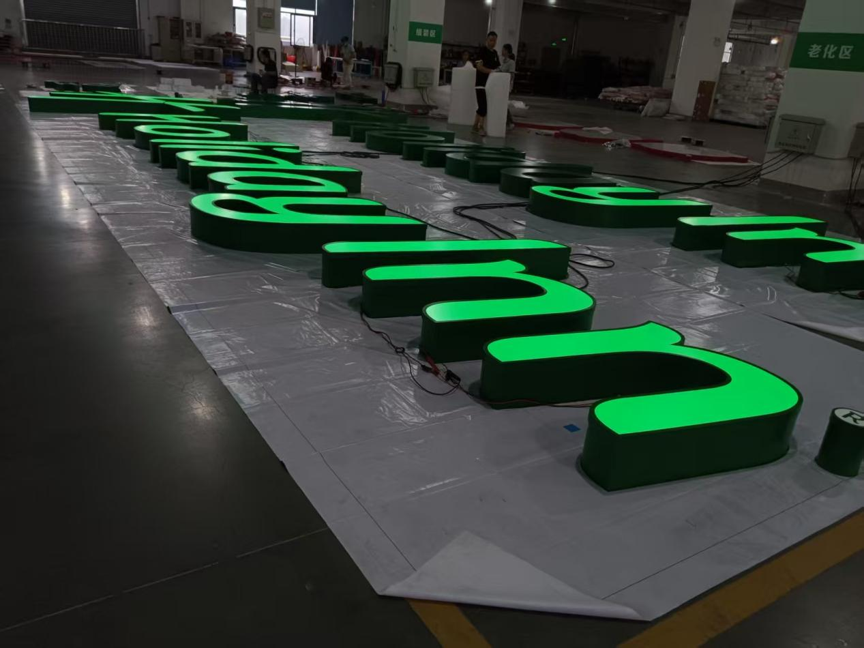
Common pitfalls: Outdoor adhesive must be weather-resistant silicone structural grade — ordinary adhesive cracks within a year or two. Fasteners must match the main material — iron screws on a stainless steel sign rust first and spread corrosion. And don't pair a premium lightbox panel with a cheap aluminum frame that oxidizes and turns white ahead of everything else.
Quick reference:
Outdoor coastal: 316L stainless + PVDF-coated aluminum + PC panel
Outdoor inland: 304 stainless (brushed) + powder-coated aluminum + tempered glass
Indoor high-end: Electroplated stainless + acrylic + textured glass
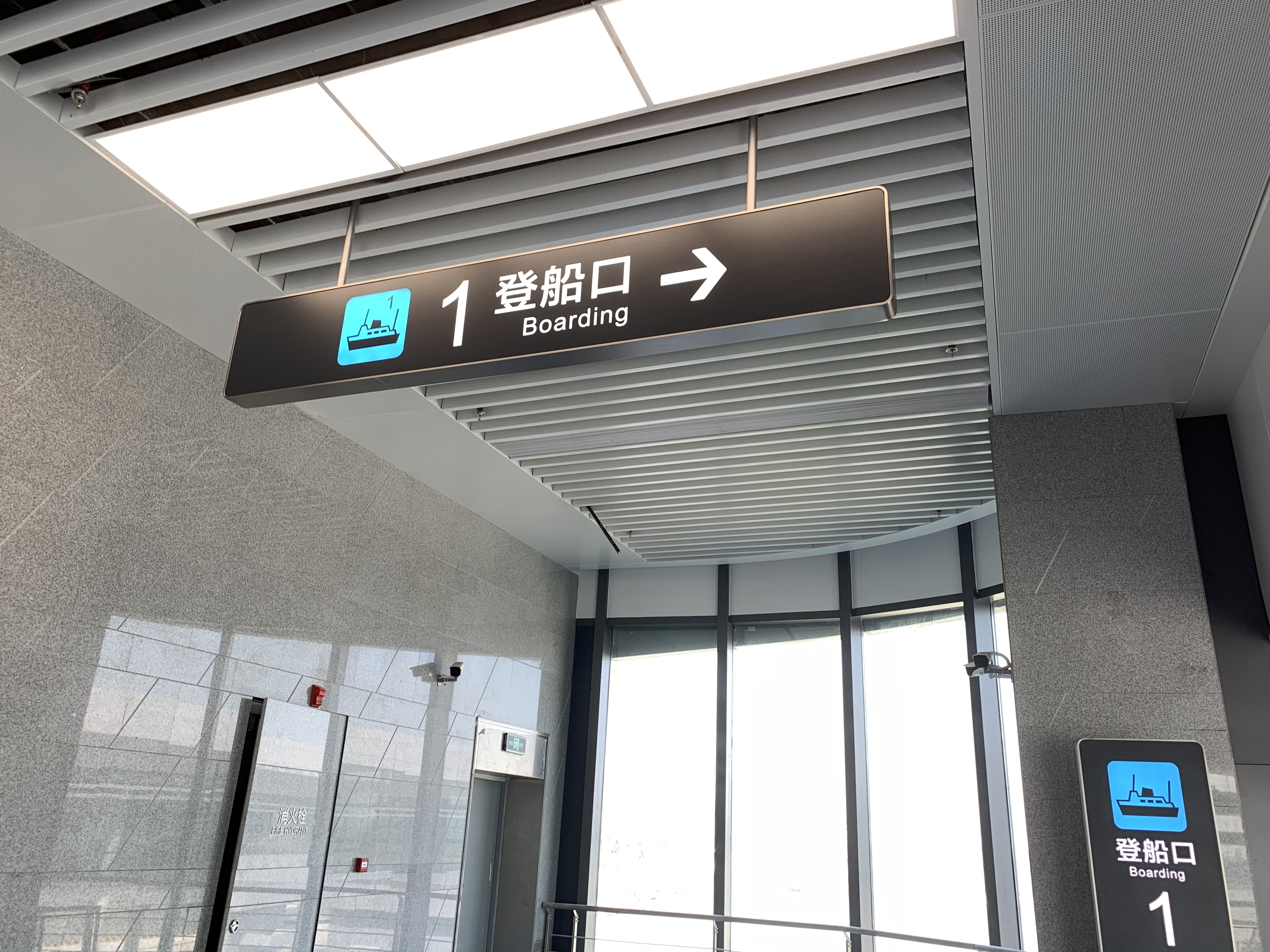
Indoor public: Brushed stainless + acrylic + aluminum extrusion
Copyright © 2025 by SHENZHEN ZIGO SIGNAGE COMPANY LIMITED Privacy policy
 EN
EN
 Hot News