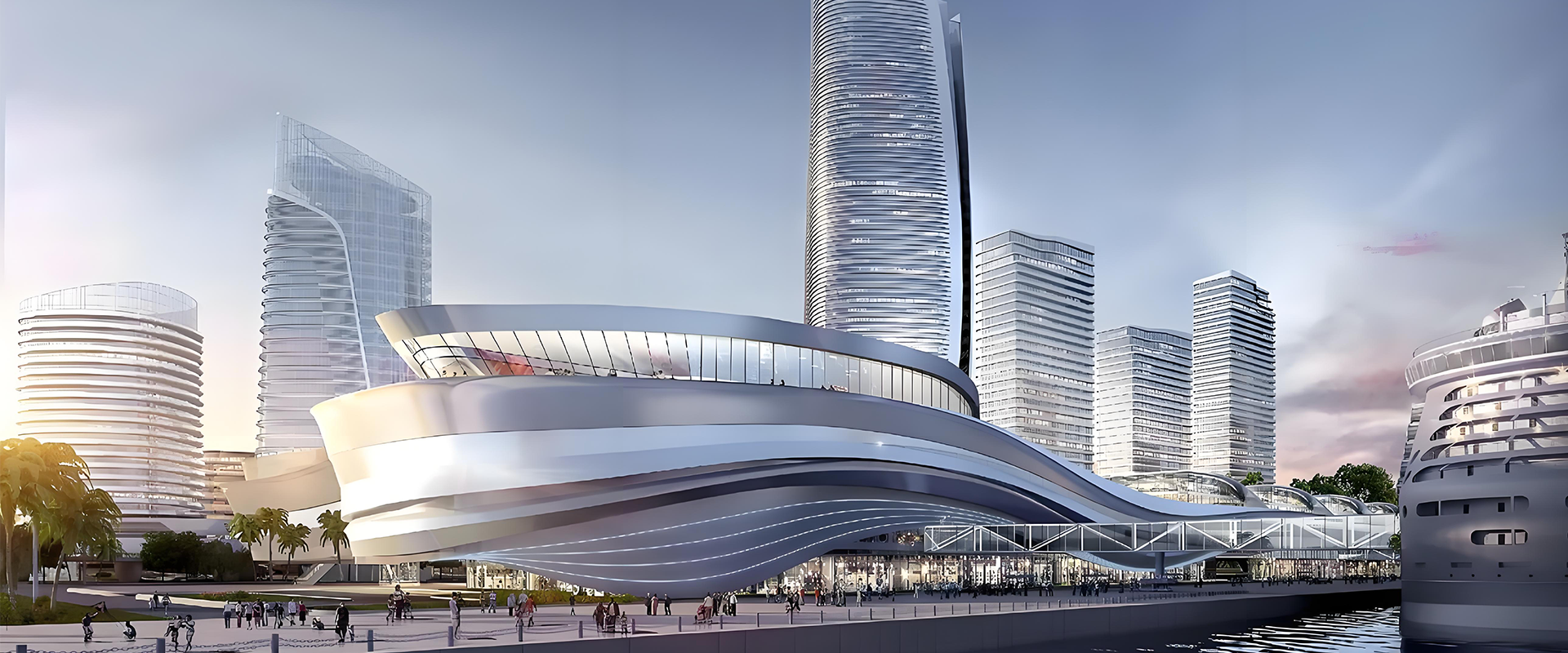
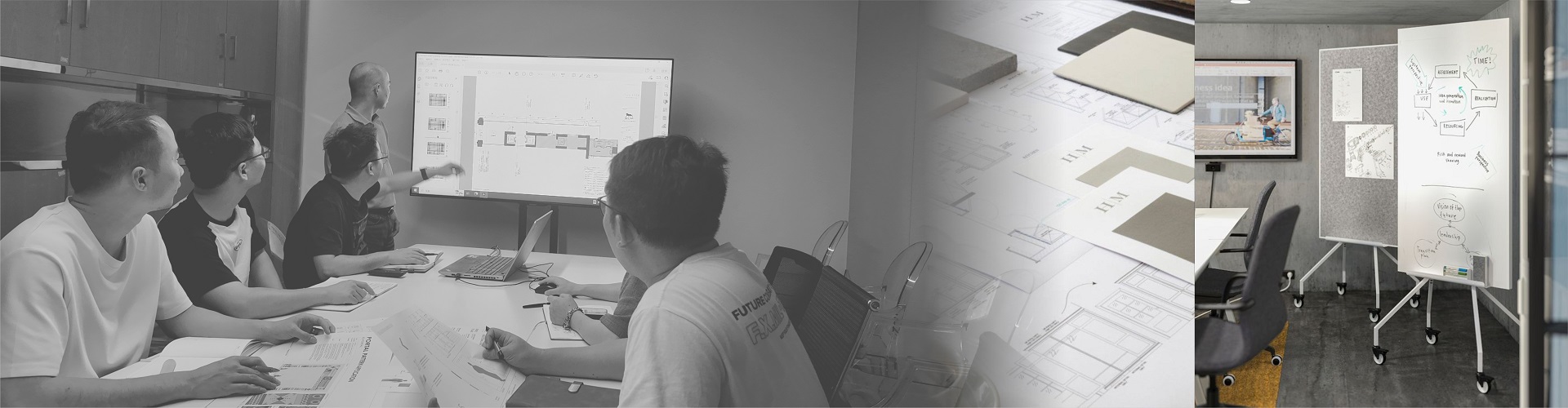
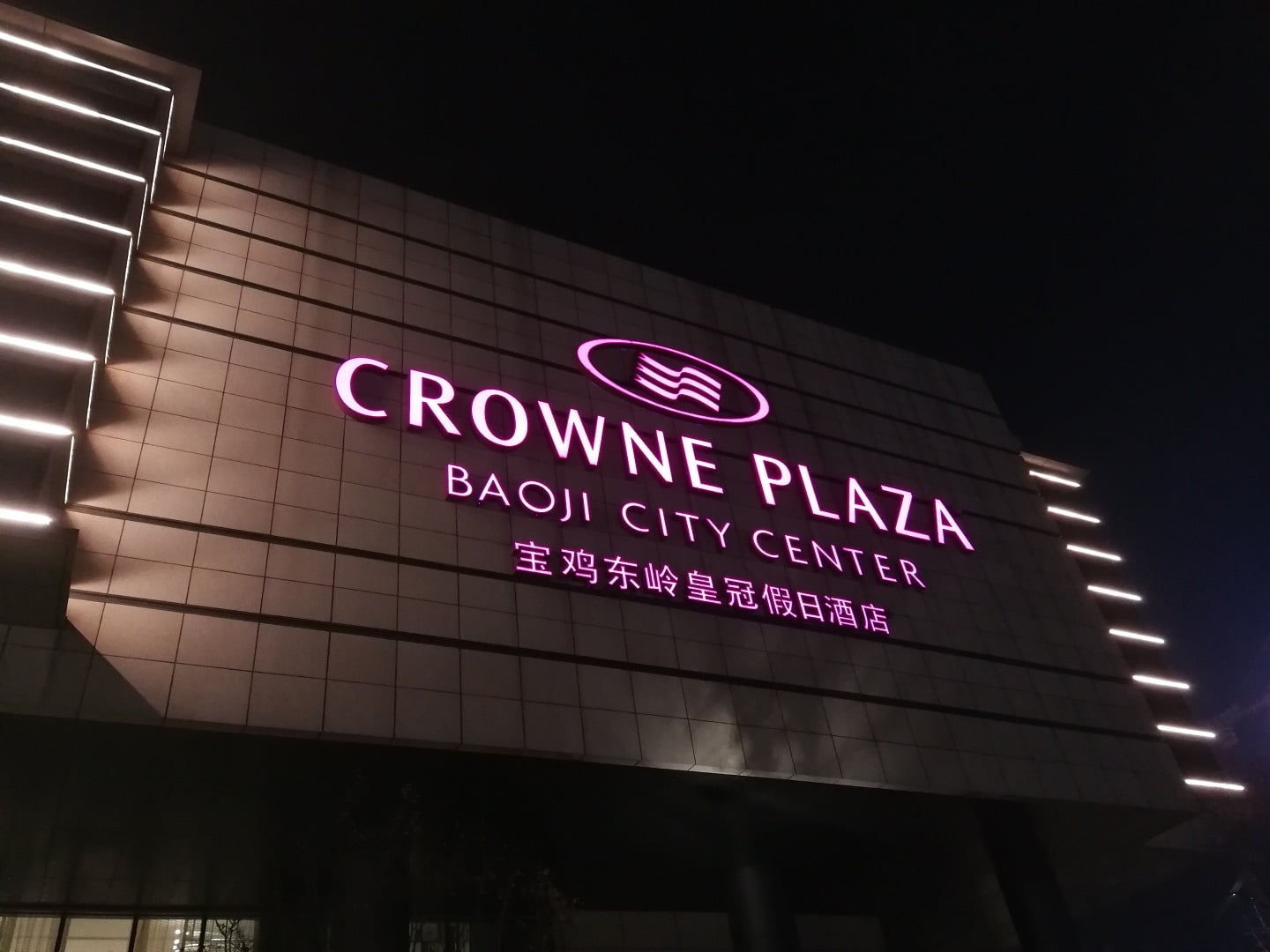
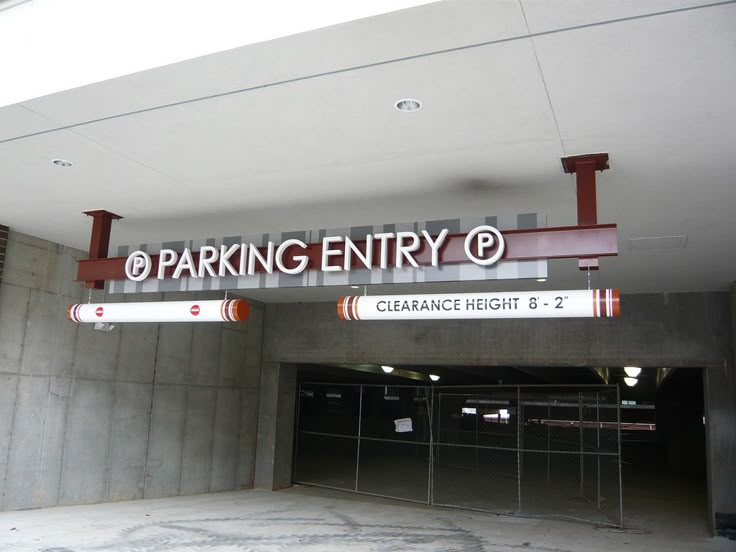
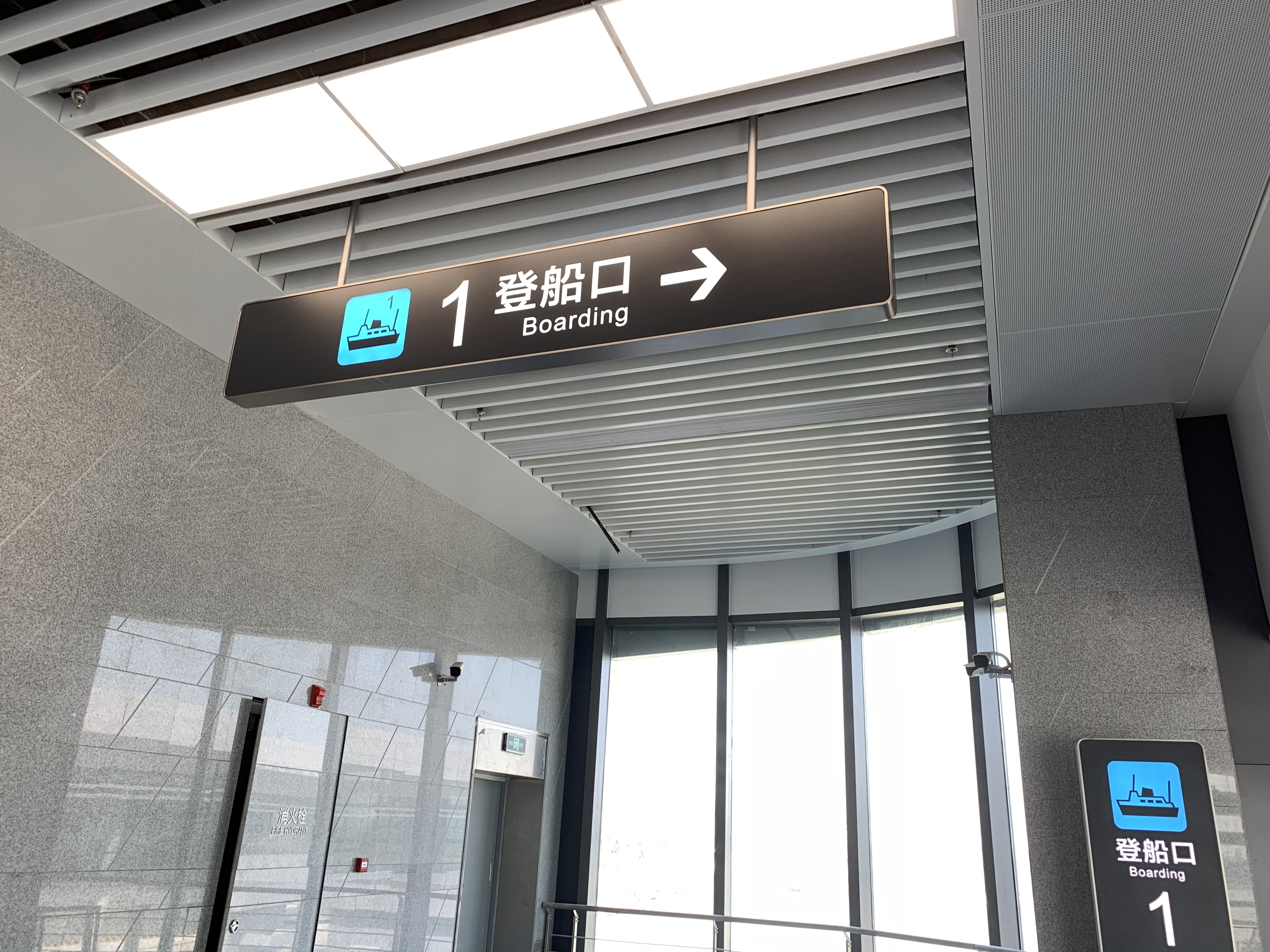
On July 21, ZIGO Signage hosted a delegation of clients from Bangladesh for an in-depth technical discussion on the signage system for the Crown Hotel.
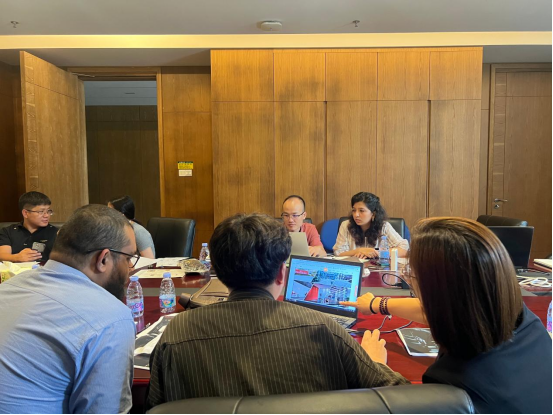
The visiting team is the project owner's representative group, and they flew in specifically to review the design face-to-face. Spread across the conference table were the hotel's architectural floor plans, façade renderings, and our first-round signage detail engineering package developed from the design firm's drawings. The session centered on three key questions: Is the design buildable? Can the materials and craftsmanship match the brand positioning? How do we manage execution timelines for a cross-border project?
Why an in-person meeting
For hotel signage, email and video calls can handle 70% of the work. The remaining 30% — comparing physical material samples, confirming on-site lighting effects, working out mounting details — has to be done in person, looking, touching, and pointing together. That's why we insist on face-to-face meetings for major clients.
The Bangladeshi client's attention to detail ran higher than we expected. They weren't simply asking for "a good-looking logo." Every sign type got granular questions on size, material, typography, and installation method. For example, the elevator directory size marked on the drawings didn't match their tape-measure check on-site. Details like this can't be locked down remotely.
Three key discussion points
One: Design fit. The client brought the Crown Hotel's overall design language references. We need to align the international hotel wayfinding standards (such as ADA-style braille placement and signage density per zone) with the hotel's actual spatial constraints while preserving brand recognition. What looks fine on a drawing can clash with lighting positions, conduits, and sprinkler systems on site. These issues only surface through deep coordination.
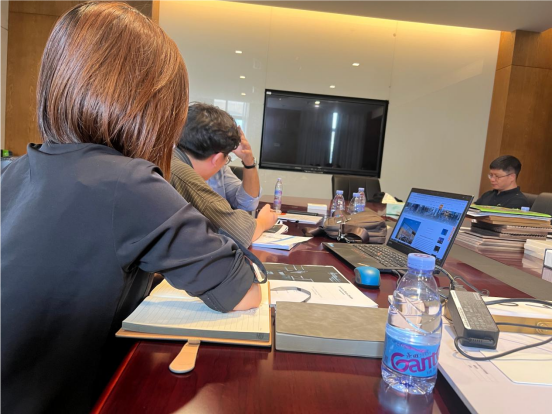
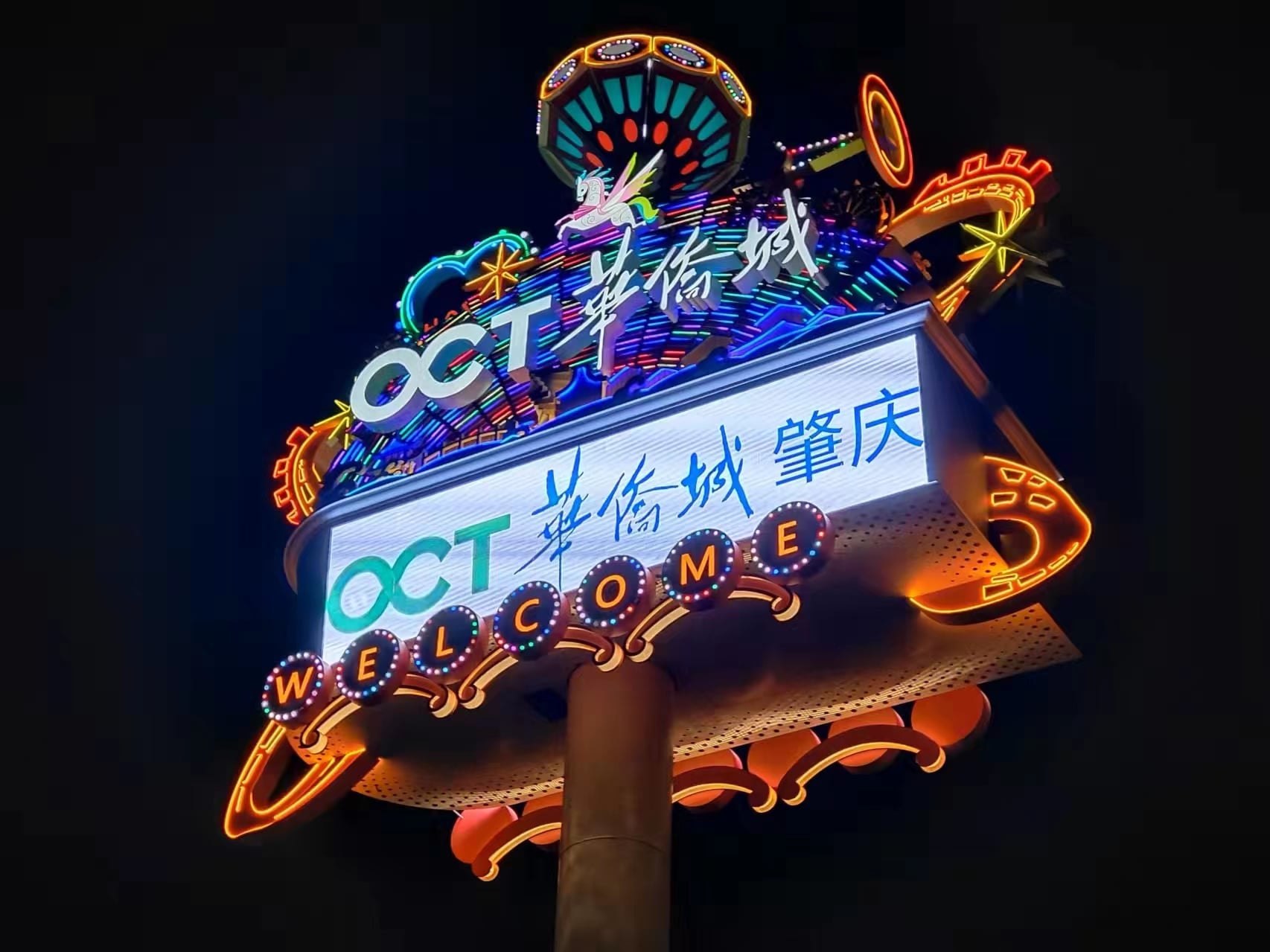
Two: Materials and craftsmanship. The client paid particular attention to the illuminated signage effect. We used a laptop to show side-by-side comparisons of different lighting approaches — LED modules, edge-lit, and lightbox transmission — under daytime and nighttime conditions. The Crown Hotel wants strong visual impact at the main entrance, but interior wayfinding should not overshadow the architecture. This "bold outside, refined inside" rhythm relies on the right material combination to deliver.
Three: Execution and timeline. Bangladesh's local signage supply chain is still developing, so most premium projects end up sourced from Chinese manufacturers. The client was keen on our overseas project track record — international crating, remote installation guidance, and how we handle issues in the field. We walked them through several comparable projects in Southeast Asia and the Middle East, and the process clicked.
Next steps
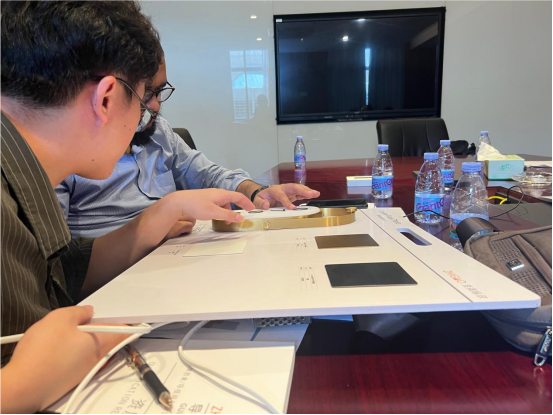
The client left with printed drawings of the refined scheme and physical material samples. The next phase: both sides incorporate the day's feedback into a second-round design package, with technical specs locked in by early August, moving into quotation and sampling.
The South Asian market has been heating up over the past two years. From Dubai to Riyadh, from Kuala Lumpur to Dhaka, international brands entering these markets tend to benchmark against European and American signage standards, and their supplier scrutiny keeps tightening. Having clients bring drawings, samples, and fly over to talk — that recognition matters.
Planning a signage system for a hotel, mall, or public building? Get in touch with ZIGO Signage. Three decades of architectural signage experience, overseas projects handled from detail engineering to global installation.
Copyright © 2025 by SHENZHEN ZIGO SIGNAGE COMPANY LIMITED Privacy policy
 EN
EN
 Hot News