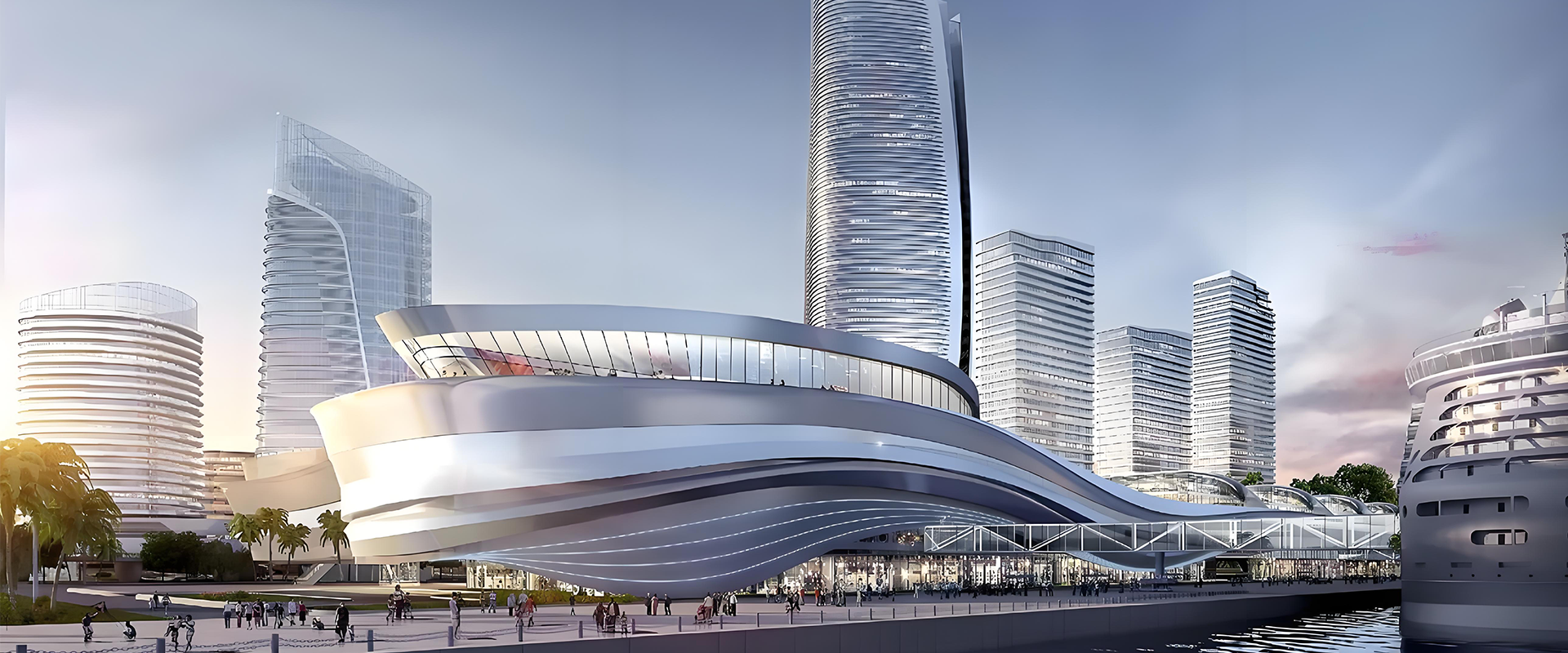
If you've ever managed a signage project, you know one thing: the cost of getting it wrong is a lot higher than it looks.
Picture a hotel where, at the final fit-out stage, the room number plates don't match the public area directional signs. Or exterior illuminated letters that can't be installed because nobody pre-embedded the steel brackets during curtain wall construction. Rework at that point easily hits six figures. And the signage you rush into place during the final sprint? It starts fading, leaking, and loosening within two or three years, dragging down both customer experience and brand image along with it.
I want to share a selection framework we've stress-tested on hundreds of projects — from functional planning through supplier selection, every step where things go wrong.
1. Sort out your wayfinding information hierarchy first
A wayfinding system isn't something you figure out by counting signs on the floor plan toward the end of the project. We break it into four tiers:
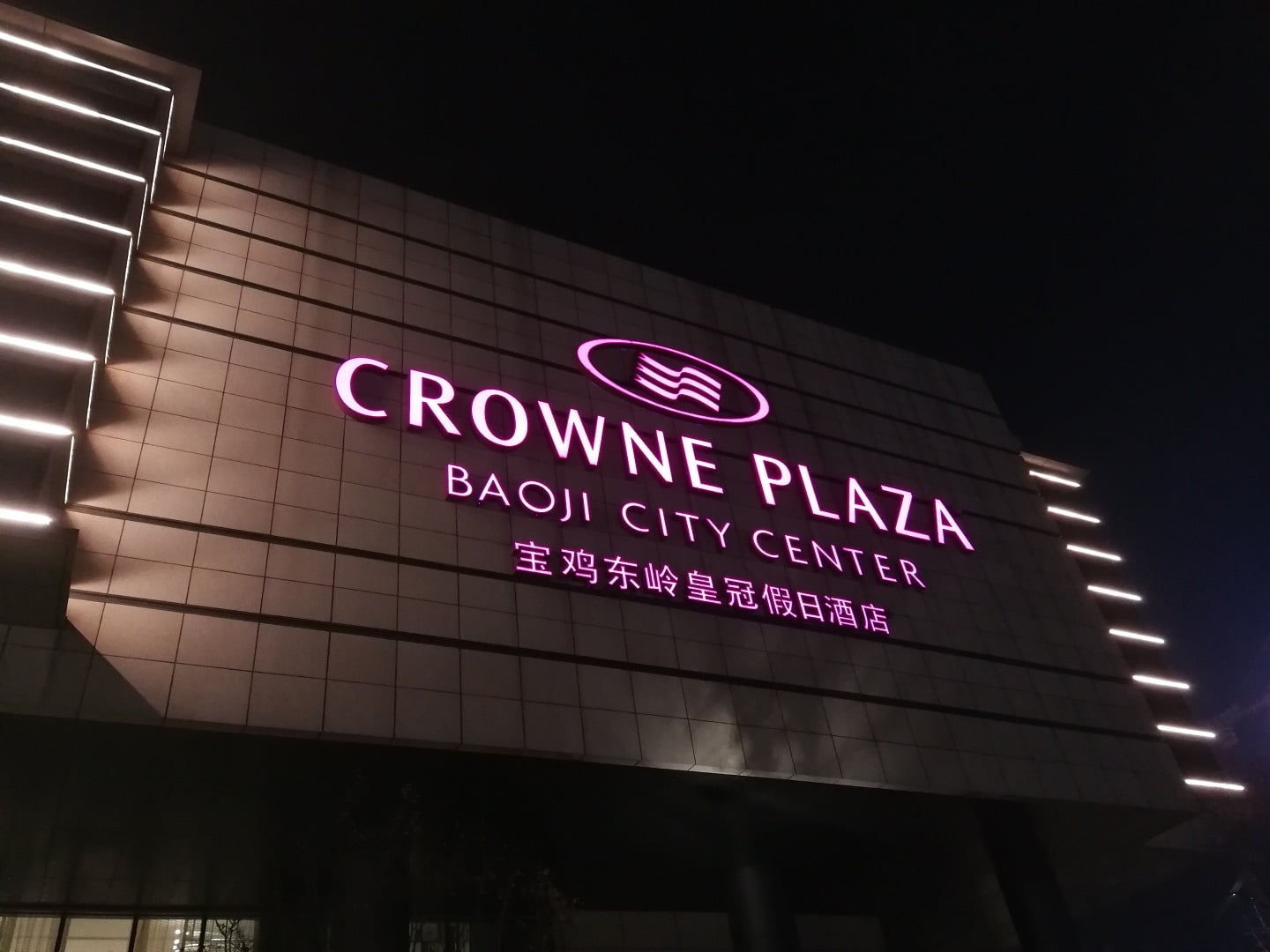
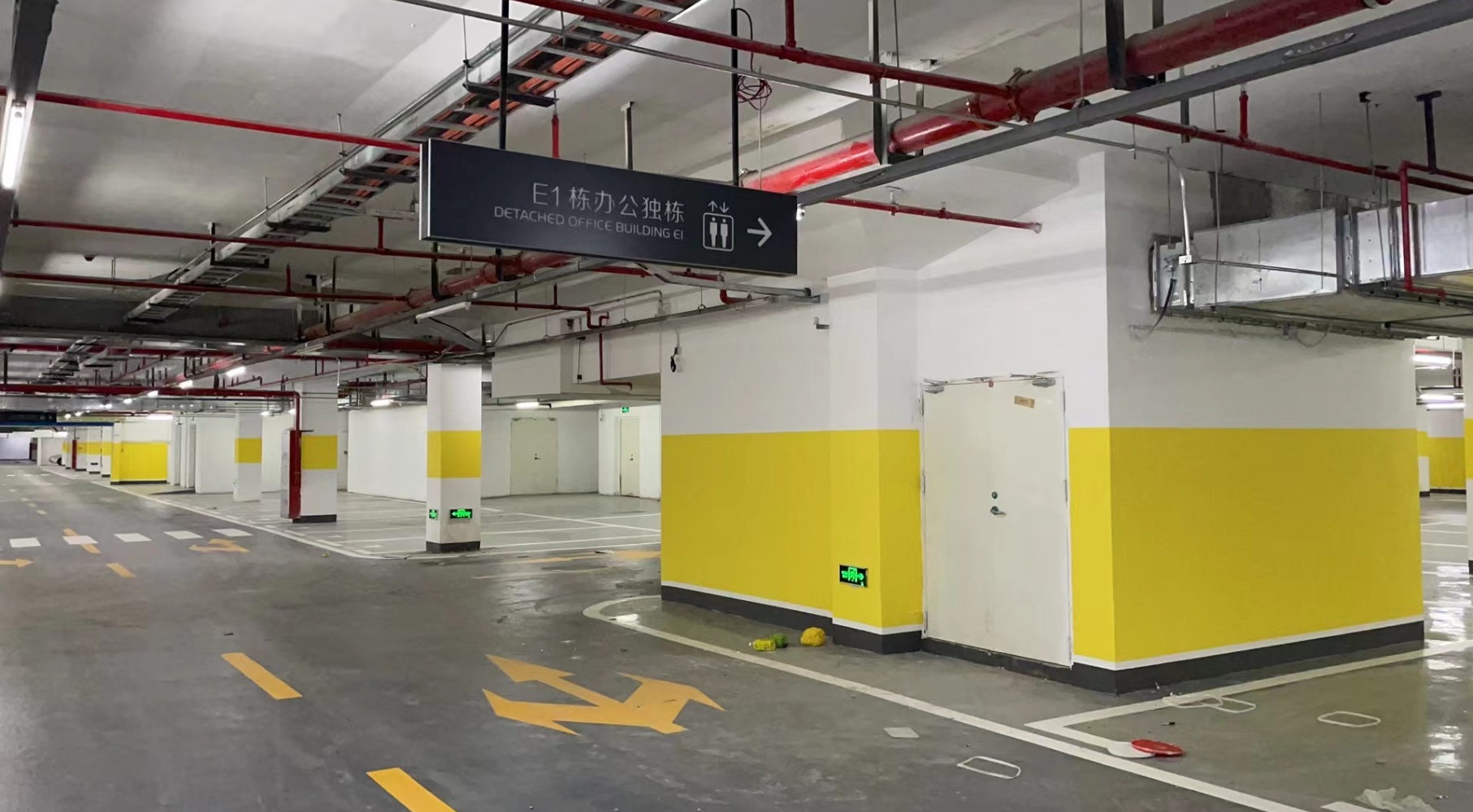
Tier 1 — Directional guidance. Outdoor site plans, parking directional signs, indicators pointing to major functional areas. These need long-range visibility and usually use large freestanding signs or architectural illuminated letters. The sizing and mounting locations need to be coordinated with the building elevation drawings and landscape design early on.
Tier 2 — Zone confirmation. Signs that tell visitors they've arrived: hotel lobby plaques, dining area markers, conference center entrance signs. The hard part here isn't fabrication — it's the constant conflict with interior design. We regularly run into situations where the interior scheme is finalized with no mounting position reserved for signage.
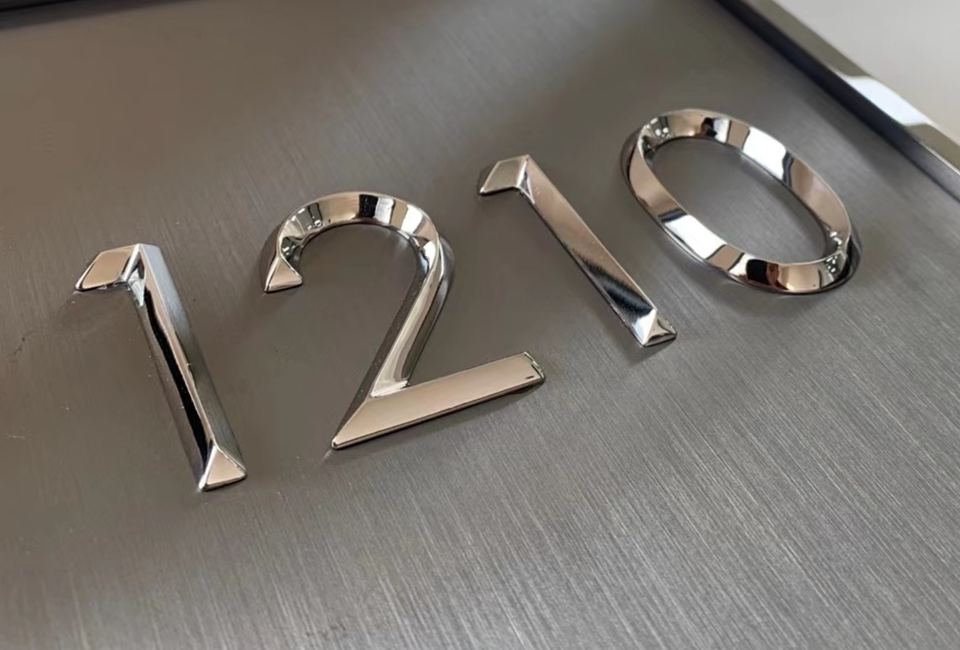
Tier 3 — Room and function identification. Door numbers, meeting room nameplates, restroom signs. Smallest in size, highest in quantity. A 300-room hotel means 300 door numbers alone. If material and finish consistency slip across these, the overall quality perception drops fast.
Tier 4 — Information and compliance. Emergency exits, fire evacuation plans, accessible facility signs, elevator instructions. Regulatory requirements vary dramatically by country. The Middle East has specific material and illumination requirements for fire evacuation signage. The Americans with Disabilities Act dictates exact braille placement and dimensions for accessible signs.
Practical tip: produce a complete signage location plan during the concept design phase, covering all four tiers at once. Adding signage as an afterthought during construction leads to style inconsistency — and often, no suitable mounting conditions because the walls are closed and conduit is already in place.
2. Match materials to the environment
Picking the wrong material doesn't just look bad. Use 304 stainless on a coastal project, and rust spots will appear within two years. Skip the UV coating on outdoor acrylic, and it yellows so badly within three years that clients will think you used recycled plastic. Here's a rundown of the main options:
Stainless steel signage. The go-to for luxury hotel lobbies, brand walls, and exterior illuminated letters. We use 316L-grade stainless for Marriott and IHG projects. It costs more than 304, but in high-salinity coastal cities and across Southeast Asia, the investment pays off. For surface finish, brushed holds up better against fingerprints than mirror polish, and PVD coloring outlasts spray-painted coatings.
Acrylic illuminated signage. The workhorse for commercial complex indoor wayfinding and shopping mall lightbox signs. Light transmission hits 92%, and paired with quality LED modules, the illumination is even and soft. Two things get overlooked constantly: outdoor acrylic needs a UV-resistant coating, and white acrylic gradually shifts toward yellow over time. If your brand palette leans cool or crisp white, specify anti-yellowing additive sheets from the start.
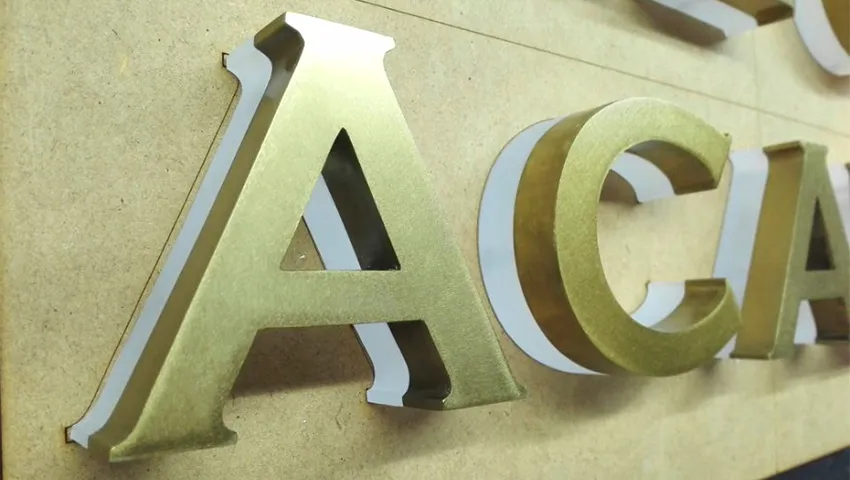
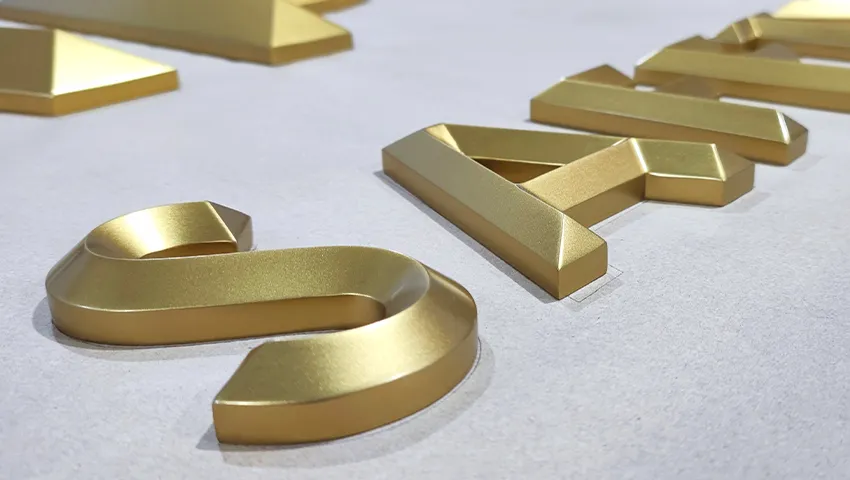
Brass/bronze signage. More common in high-end hotels, cultural venues, and heritage building renovations. After patina and chemical coloring, the vintage character it delivers is something no other material can replicate. The downside: it's expensive, and it needs periodic maintenance — otherwise, oxidation turns it patchy and uneven. Some clients want exactly that look, others don't. Clarify upfront.
Aluminum signage. The mainstay for office floor directories, parking signs, and outdoor directional signs. Cost-effective, lightweight, recyclable. Looking at our project data, aluminum accounts for about 60% or more of total signage quantity in a mid-sized commercial complex.
3. Light source choices for illuminated signage
During the day, design determines how good illuminated signage looks. At night, it's all about the light source.
LED modules are the standard now — 50,000 to 100,000-hour lifespan, energy consumption roughly a tenth of traditional neon. But not all LED modules are created equal. Chip brand (Cree, Osram, Philips versus no-name — a 3-5x price difference), packaging process, driver quality — every link in the chain affects the final output and service life.
We've seen plenty of projects that chose cheap LED modules to save on upfront costs, only to face noticeable color fade and uneven brightness a year and a half later. Replacing everything at that point — labor plus materials — runs several times what was "saved."
A few technical details worth noting: edge-lit LEDs enable ultra-slim lightboxes as thin as 15mm, good for tight installation spaces. If you need dynamic color-changing effects, specify addressable LEDs with DMX control. And for outdoor illuminated signage, power supplies must be waterproofed — IP65 minimum, IP67 for humid regions.
4. Installation isn't the final step
Signage installation needs to be on the table during structural construction, not after. Building façade illuminated letters require pre-embedded steel brackets and conduit — work that should happen alongside the curtain wall phase. Large-format, high-rise signs need structural calculations covering wind and seismic loads.
Indoor directional signs need to be timed with interior finishing. Drilling into completed walls damages waterproofing and finishes, and the anchoring strength is weaker than with pre-embedded mounts. For high-end projects using marble, wood veneer, or decorative plaster — once that surface is damaged, it's irreversible. The repair cost and schedule impact add up fast.
5. Choosing a supplier: don't just look at the quote
Signage is a long chain — design, fabrication, installation, after-sales. When you're evaluating suppliers, look at these dimensions:
Industry experience. Have they done projects of the same type and scale? Ask for real project photos, not just renderings. ZIGO has been in architectural signage for nearly 30 years, serving Marriott, IHG, Hyatt, MGM, and thousands of other large-scale projects globally.
Design capability. Can the supplier do detail engineering and structural optimization, or do they just pass the design firm's drawings straight to production? Most signage drawings from design firms need secondary engineering on material thickness, mounting details, and light source layout before they're buildable.
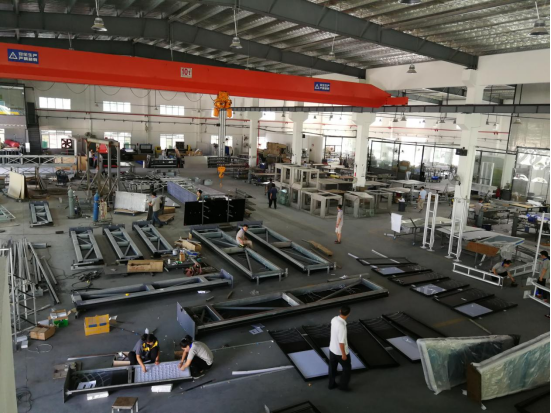
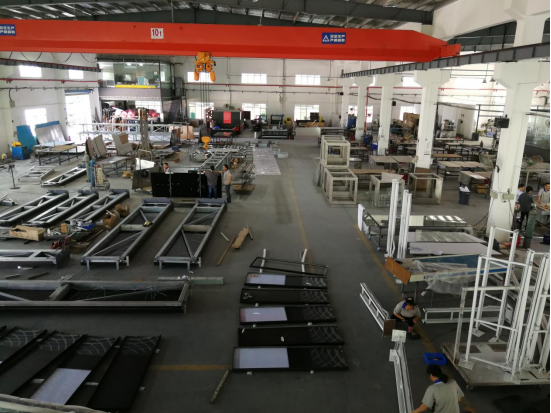
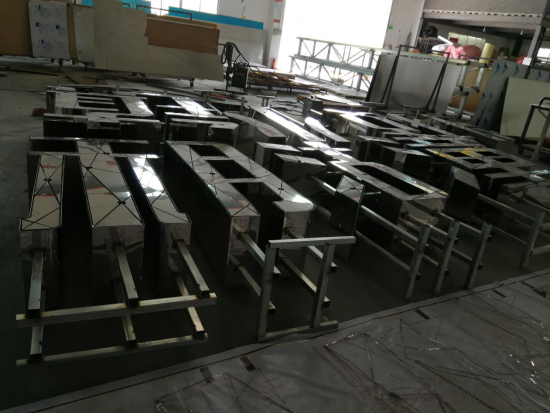
Manufacturing. In-house factory or outsourced? Can deadlines be guaranteed? What's the QC system like? We always recommend an on-site factory visit.
Overseas installation. If your project is abroad, does the supplier have cross-border construction experience and local compliance qualifications? Don't find out after the shipment arrives that nobody can install it, or that it doesn't meet local code.
After-sales. Warranty period? Response speed? Spare parts availability? Get these in writing before you sign.
A good wayfinding signage system should still hold up three, five, or ten years after handover. That doesn't happen by luck — it's about getting every decision right starting from day one of design.
Planning a hotel, commercial complex, or public building signage project? Reach out to ZIGO Signage. We cover the full chain — from concept design to global installation.
Copyright © 2025 by SHENZHEN ZIGO SIGNAGE COMPANY LIMITED Privacy policy
 EN
EN

 Hot News