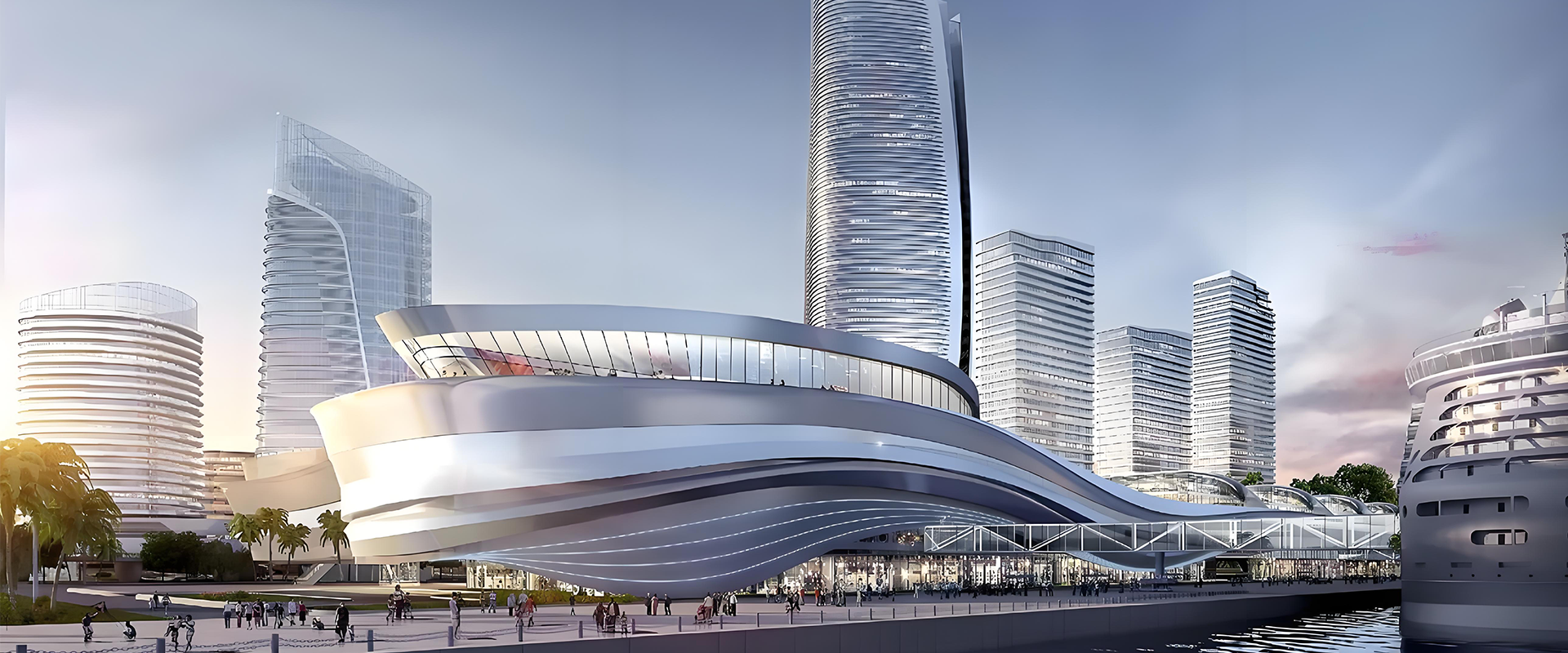
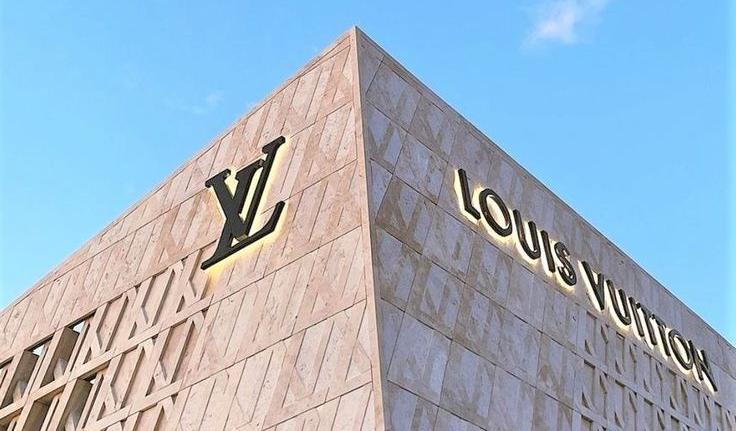
Drive through a city skyline or walk into a luxury hotel lobby. You probably can't name the interior design firm, but you'll remember those glowing logos. That's the quiet dominance of architectural illuminated signage — not necessarily where you spent the most money, but definitely what gets seen the most.
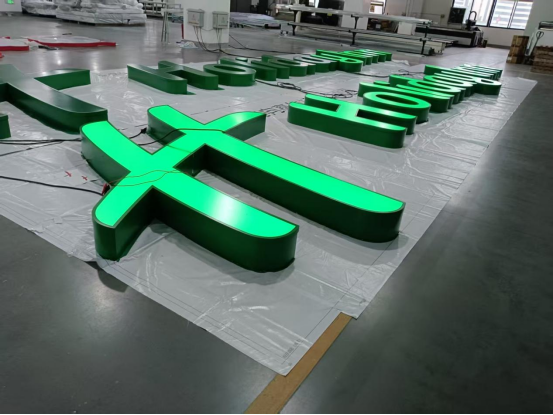
Why illuminated signage earns its keep
Let me give you the practical logic.
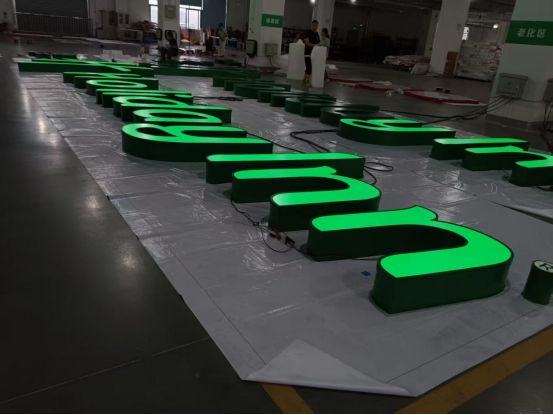
One: it's a 24-hour, rent-free advertising slot. A building that leans on glass curtain walls and architectural form during the day relies entirely on illuminated signage to maintain presence after sunset. Compare that to renting a billboard — in a first-tier city, a decent outdoor ad spot rarely costs less than $30,000 a year. A quality architectural signage system over 10 years? The daily cost is pocket change.
Two: it signals quality without saying a word. Is the light uniform? Front-lit or back-lit? Do the material details hold up under close inspection? All of this communicates what your brand cares about. Marriott's brand standards require hotel signage to be visible from at least 300 meters at night, with precise color temperature and brightness specs. These global brands aren't throwing money around — they've done the math.
Three: illuminated signage is pretty much the only permanent outdoor medium you don't pay rent on. Every other exposure channel — digital ads, outdoor screens, trade shows — charges by impression, click, or year. Building signage is a one-time investment that runs for a decade or more.
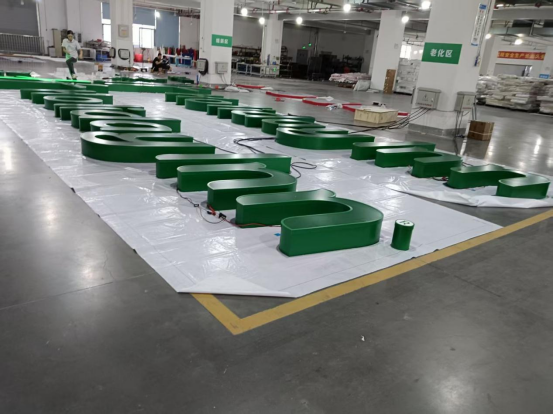
Five shifts happening in signage right now
Shift 1: Simpler is harder to pull off.
"Less is more" isn't new, but in signage, minimalism demands way more from fabrication than complex designs do. When all you've got is a logo and one line of text, every scratch on the stainless surface, every hot spot on the illuminated panel — it all shows. Minimalist signage is fundamentally a test of manufacturing precision, not design talent.
Shift 2: Signage with a biological clock.
Addressable LEDs with DMX or wireless control let illuminated signage shift color temperature and brightness across the day. Warm white at sunrise (3000K), neutral at midday, cool white under the night sky (4500K) — a sign with its own circadian rhythm. The ambitious version links building signage to the full architectural lighting system, synchronizing the entire façade. The tech isn't the hard part — it's whether the control system stays stable, and whether the client wants to invest in this layer.
Shift 3: Clients are asking about sustainability.
It's not just the Fortune 500 anymore. The share of RFPs explicitly requesting recyclable materials, low-VOC coatings, and high-efficiency LEDs is climbing noticeably. ZIGO has been using recycled aluminum as signage substrate on multiple projects, with all LED modules RoHS-certified. Green signage isn't just a CSR checkbox — it's a genuine advantage in competitive bids.
Shift 4: Thinner, more invisible.
Traditional illuminated letters run 80-120mm deep. Edge-lighting and ultra-thin acrylic panels now get that down to 25-40mm. Paired with fully concealed mounting — all brackets and wiring hidden behind walls or curtain walls — the signage looks like it's floating on the building surface. High-end retail and boutique hotels love this. The trade-off: installation costs go up because the pre-embedding precision requirement is much tighter.
Shift 5: One material isn't enough anymore.
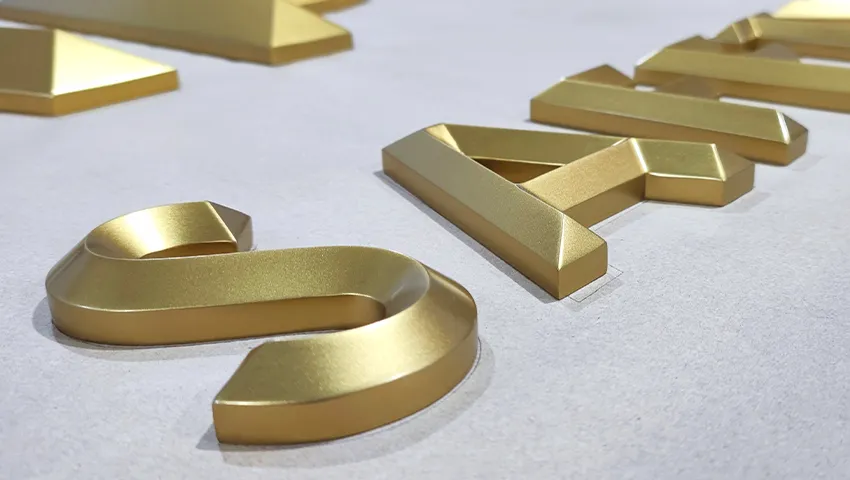
Stainless steel paired with stone, brass letters inlaid into wood back panels, translucent resin combined with LED — mixed-material custom signage gives each project its own language. A related trend worth mentioning: tactile design. Signage is no longer just visual. Clients now care about how it feels — texture, thermal sensation, weight. A solid brass nameplate and an electroplated brass-look plate might read the same from a distance. Touch them, and the difference is immediate.
Let's talk numbers: ROI on illuminated signage
Say a hotel signage system costs $70,000 with a 10-year lifespan. That's about $19 a day. An outdoor billboard delivering comparable visibility? At least $30,000 annually in rent alone.
Here's an interesting data point: hotels that installed high-quality architectural illuminated signage saw a 34% average increase in "landmark search" click-through rates on OTA platforms. When guests search "hotels near X Road," your illuminated signage is what anchors your location in their memory.
Also, don't ignore maintenance math. Signage built with quality materials and standardized processes typically costs one-fifth to one-third as much to maintain over 10 years as the budget option. Whatever you "save" upfront, you pay back with interest later.
Common pitfalls that are painful to fix
One: "Signage is the last thing to worry about." This is the biggest trap. Mounting structures, power routing, and control systems all need to be planned during construction. Adding signage later not only costs more — more often, structural limitations force you to compromise the design you wanted.
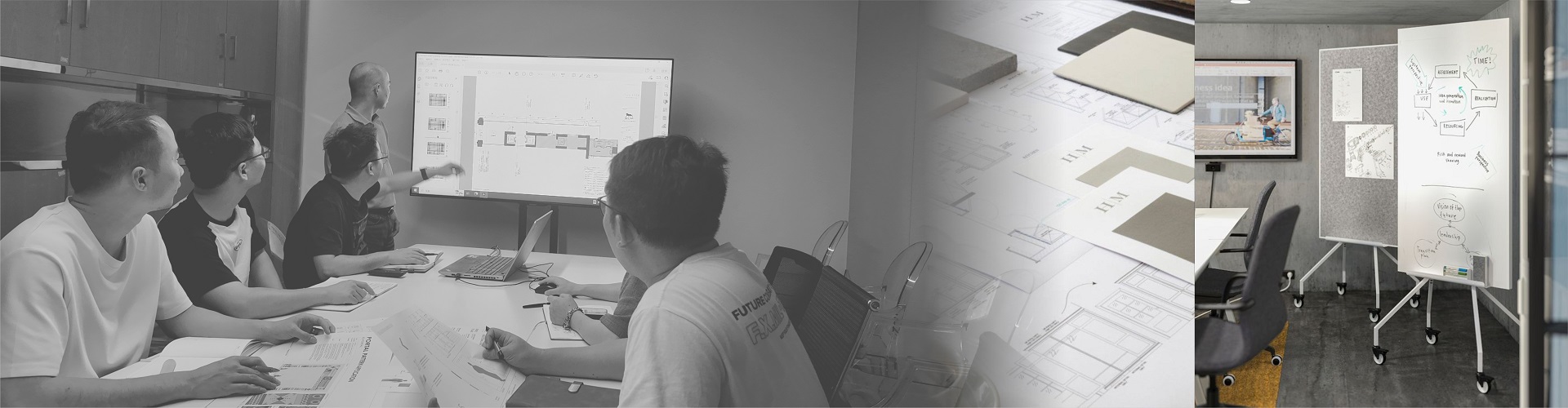
Two: "The sample looked great." Samples can be hand-polished to perfection. Batch production depends on the factory's manufacturing system. Visit the workshop before locking in a supplier. You'll know within five minutes whether they can actually hit your deadline.
Three: "Splitting design and production saves money." Beautiful drawings mean nothing if the factory can't build them. The design-build integrated model eliminates endless back-and-forth and change-order costs.
Four: "LEDs are all the same." Cheap LED modules visibly degrade within 18 months. Quality ones still hit 80%+ brightness after eight years. Chip, packaging, driver — every link matters.
If you're planning a signage project, or just want to understand what's realistic for your budget, reach out to ZIGO Signage. We've been at this for almost 30 years — Marriott, IHG, Hyatt, MGM, the list goes on. A phone call costs nothing. Happy to talk, no pressure either way.
Copyright © 2025 by SHENZHEN ZIGO SIGNAGE COMPANY LIMITED Privacy policy
 EN
EN
 Hot News