Accessibility signage is often treated in China as something to patch in before handover. In practice it affects far more than a small group — parents with strollers, guests with luggage, anyone temporarily unsteady on their feet are all on that line.
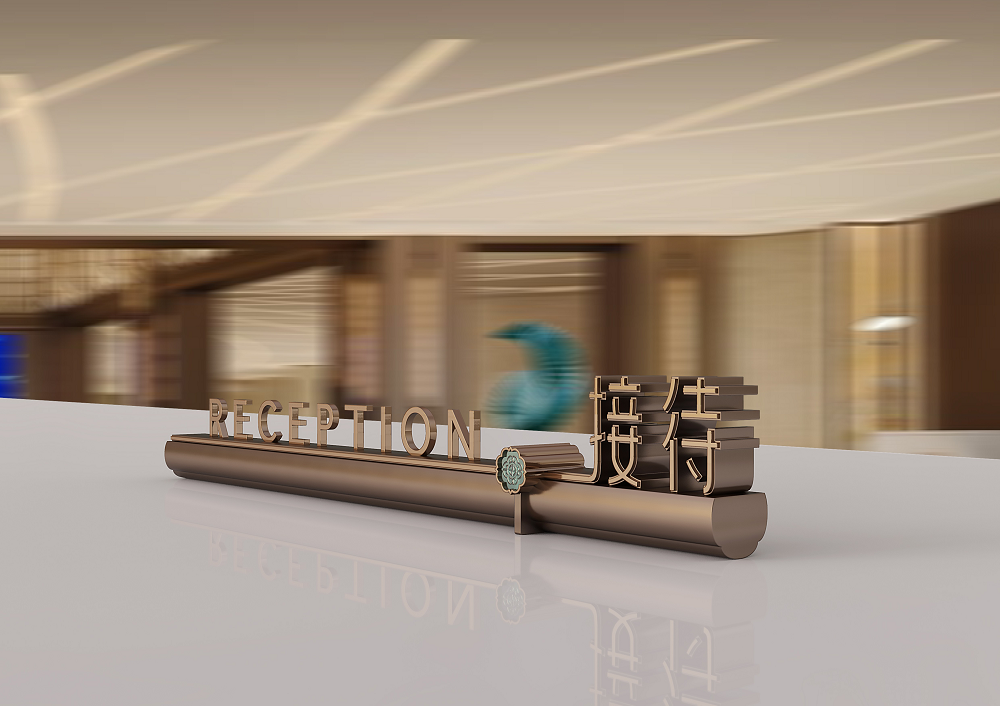
Height comes first. Wheelchair users read at a lower eye level, so the primary information band on directional signs — floor indicators, wayfinding totems, reception directions — works best between 1.2 and 1.5 meters. Higher and it's hard to read; lower and people standing in front block it. Floor indicators in elevator lobbies are the usual offender: you find out after installation that the waiting crowd blocks the sign.
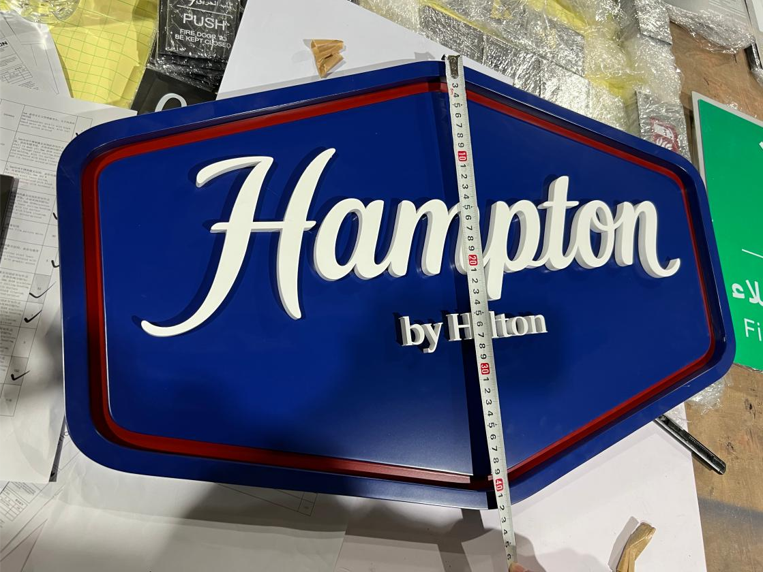
Contrast is second. Light grey type on white, or dark type on dark stainless, looks refined in a rendering and turns to mush under real lighting. Keep a clear brightness difference between text and background, and choose matte over mirror finishes — mirror reflects the light and the letters simply disappear. Brushed stainless is far friendlier here than polished.
Tactile information is third. Elevator floor buttons, floor plates, and restroom signs need Braille at a compliant, consistent height and position — not a different spot on every floor. The Braille dots also have to be wear-resistant; once they flatten out, they might as well not exist.
Typeface and symbols are fourth. Thin decorative strokes go soft at distance and in low light. On bilingual signs, let Chinese lead and English support rather than shrinking the Chinese for visual balance. Use standard pictograms instead of inventing icons — nobody stops to study an arrow.
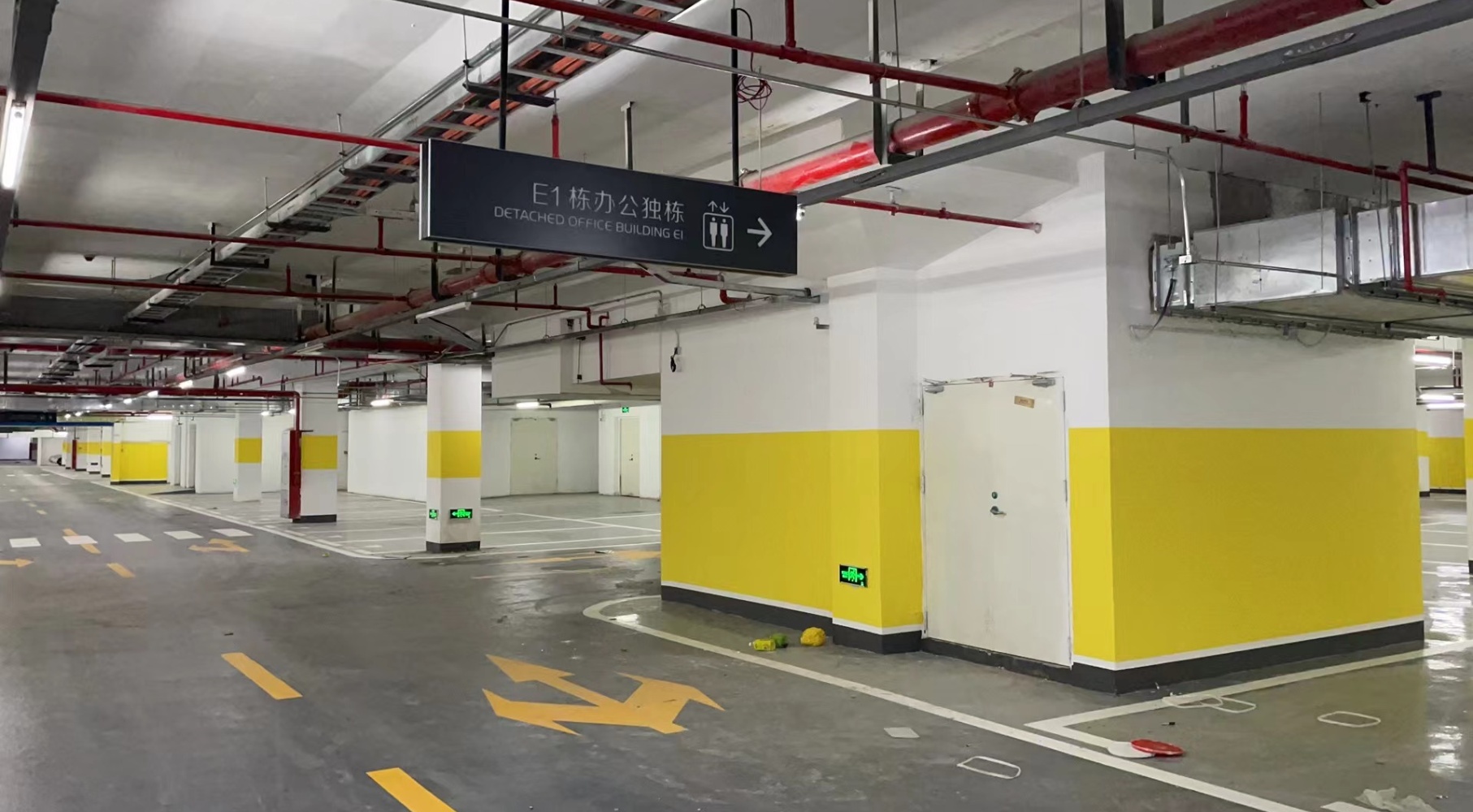
Continuity is fifth. Accessibility fails when the chain breaks: a ramp exists but no sign points to it, or a sign points to a door nobody can get through. Walk the full route after installation — entrance to elevator, to accessible restroom, to guest room — and confirm there's a sign at every decision point. That's what closes the loop.
None of this is expensive, but it has to be decided at design stage. Adding it after the signs are made means stickers and extra plates, which look bad and fall off.
If you're working on a hotel, mall, or public building and want accessibility requirements built into the signage plan, get in touch. ZIGO has focused on signage manufacturing for nearly 30 years — design development, production, and installation in one place.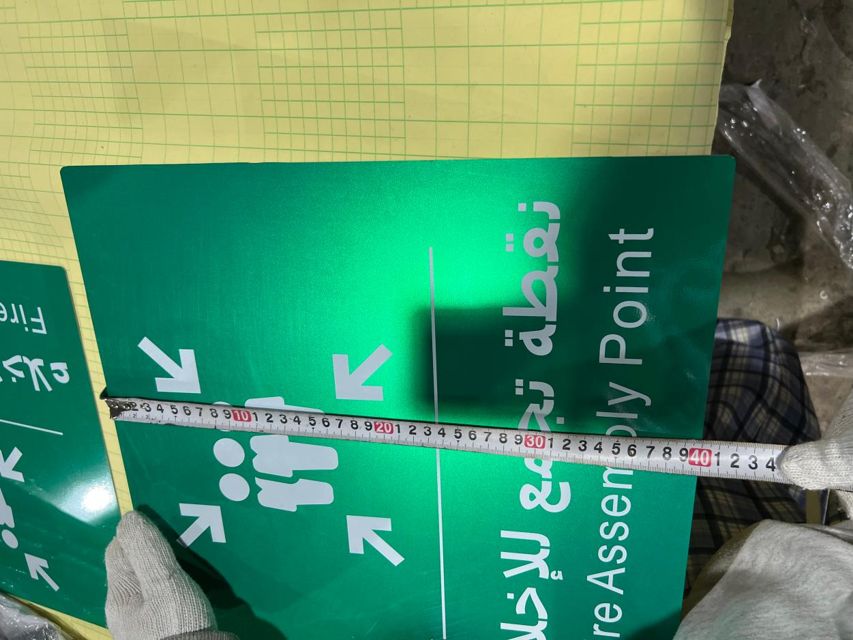
Copyright © 2025 by SHENZHEN ZIGO SIGNAGE COMPANY LIMITED Privacy policy
 EN
 Hot News